
In a summer as warm as this one, most of us have spent the last few months with our windows thrown open and our evenings and weekends lounging in the garden.
But with this increased time outside, many of us have noticed the keen interest our neighbours have taken in our lives, planting schemes and design choices.
But confronting nosy neighbours directly is rarely the best course of action. After all, they’re right there. Every day.
For those in apartments, terraces or semi-detached houses, you share walls or leaseholds. Arguments and disagreements are worth avoiding at all costs.
So instead of beginning World War Three, here are a few ways you can potter in the garden and sunbathe in peace.
Building fences is an obvious solution, but is really expensive – not least because the price of timber is currently so high – and often impractical.
So these are a few ideas of ways to keep out nosy neighbours you might not have thought of…
How to block out nosy neighbours
1. Incorporate lattice extensions
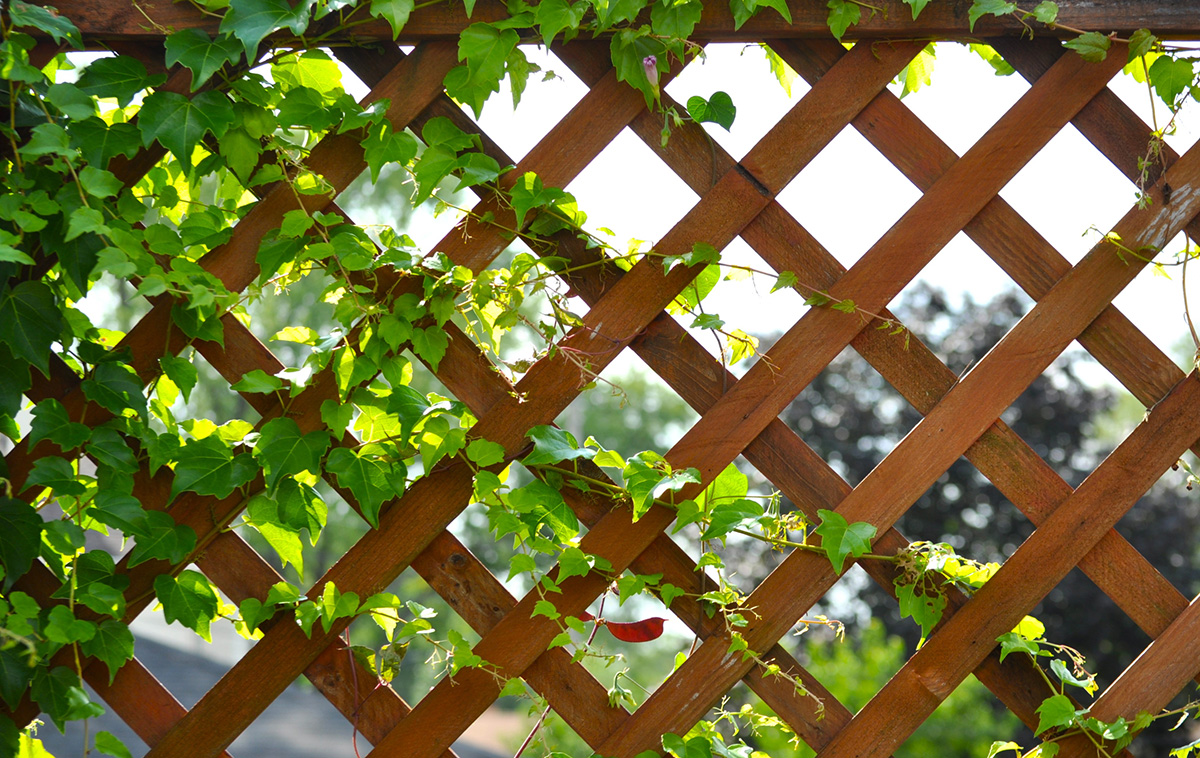
The maximum fence height between homes in the UK is two metres, unless you seek further planning permission.
If you have an existing fence which is below the two-metre threshold, you might want to consider a lattice extension, which will raise the height of your fence and incorporate a nicely designed piece.
Lattice extensions usually feature diamond or square openings, through which you can weave plants for further density.
2. Plant climbers
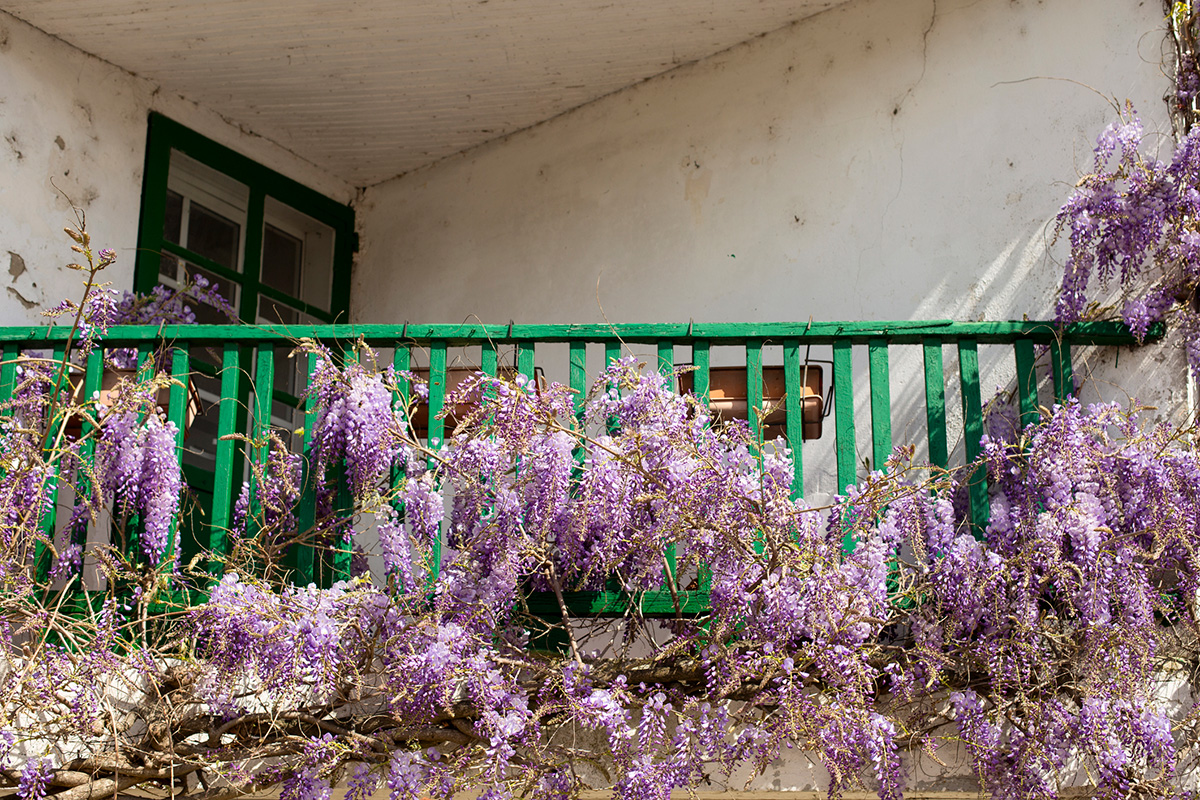
Of all the green-fingered solutions, climbing plants are one of the best for privacy in the garden.
If you’re looking for a quick solution, wisteria, climbing nasturtium and honeysuckle grow incredibly quickly, so can provide coverage over their first summer.
Other options to consider are the fragrant clematis armandii and star jasmine, or the ever-reliable ivy.
3. Set up privacy screens
Privacy screens are a simple and effective way to make outdoor spaces feel more enclosed – and divide up the garden into contained sections.
They come in various styles, from more elaborate aluminium designs to rustic woven bark rolls. They also provide shade and protect you from the wind, but in doing so will also block some light from reaching the house or garden.
Their portability means you can move the screen around, testing different areas of the garden.
4. Plant privacy hedges
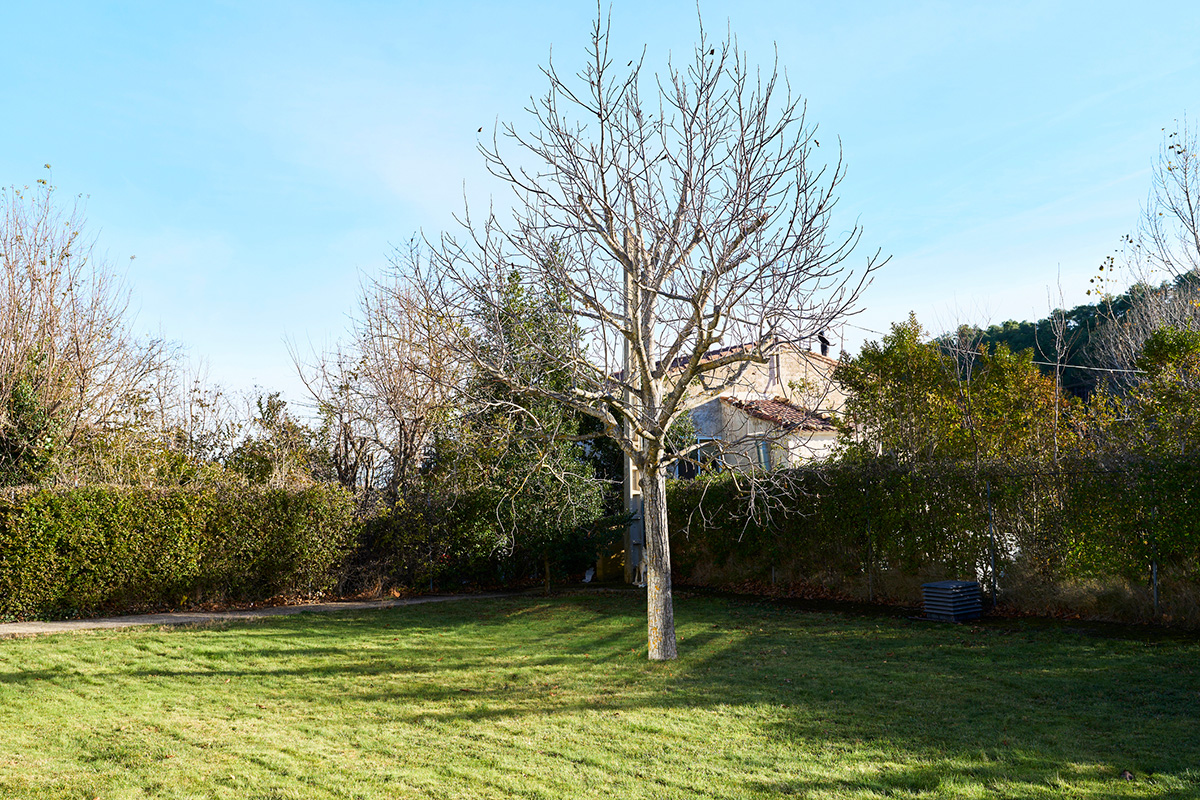
If you don’t fancy a fence, the next logical option is a hedge. They don’t just provide a visual barrier – they also help with sound absorption, if you have particularly loud neighbours.
The best fast-growing dense evergreens that will keep their leaves all year are laurels, but yews are also a good option if you’re happy to develop your hedge over a few years.
Be aware that many hedges will need clipping a few times a year to stay thick and tidy.
5. Use frosted glass on your windows
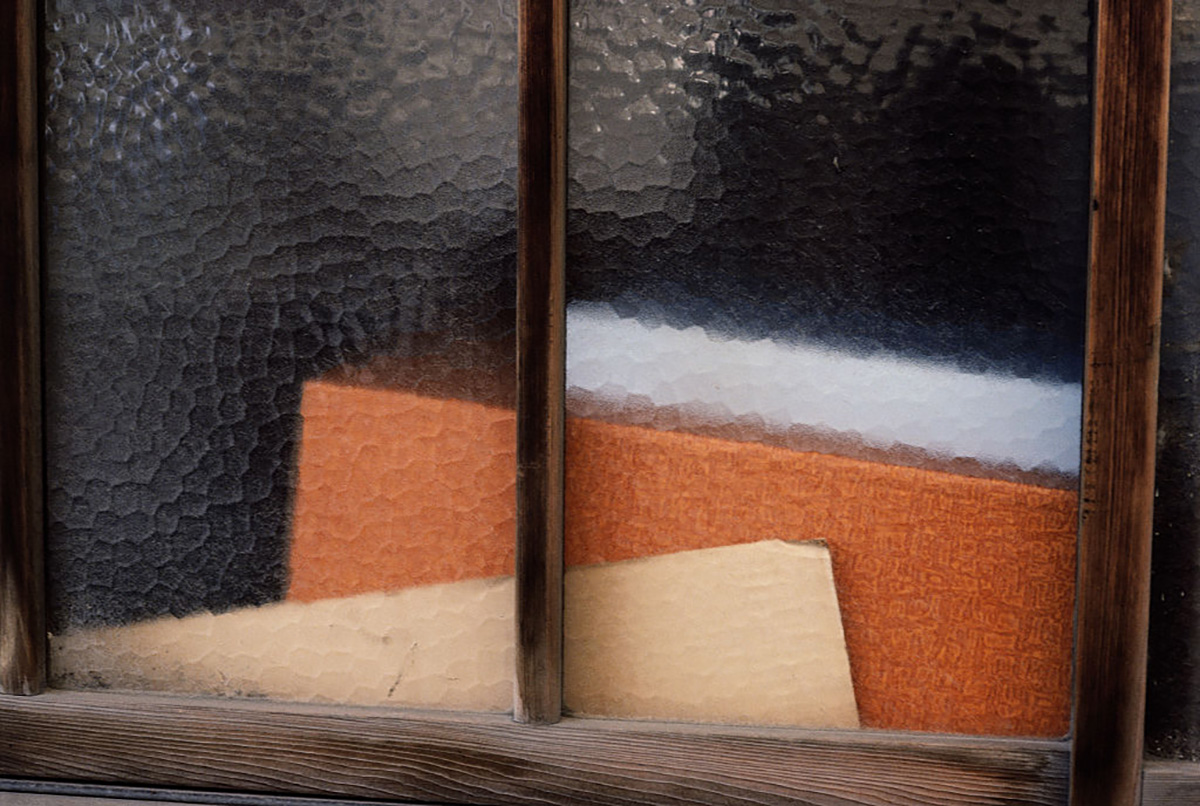
If your neighbours are year-round curtain twitchers, you might want to consider looking inside the house as well for some quick fixes to keep prying eyes away.
Frosted glass is a great option to create a sense of privacy without compromising on natural daylight. Adhesive vinyl films are a cheap alternative for existing windows or rental properties, and they can be removed easily.
If your budget allows, there are new forms of intelligent glass, which can switch between frosted and clear depending on the need and time of day.
6. Hang sheer curtains
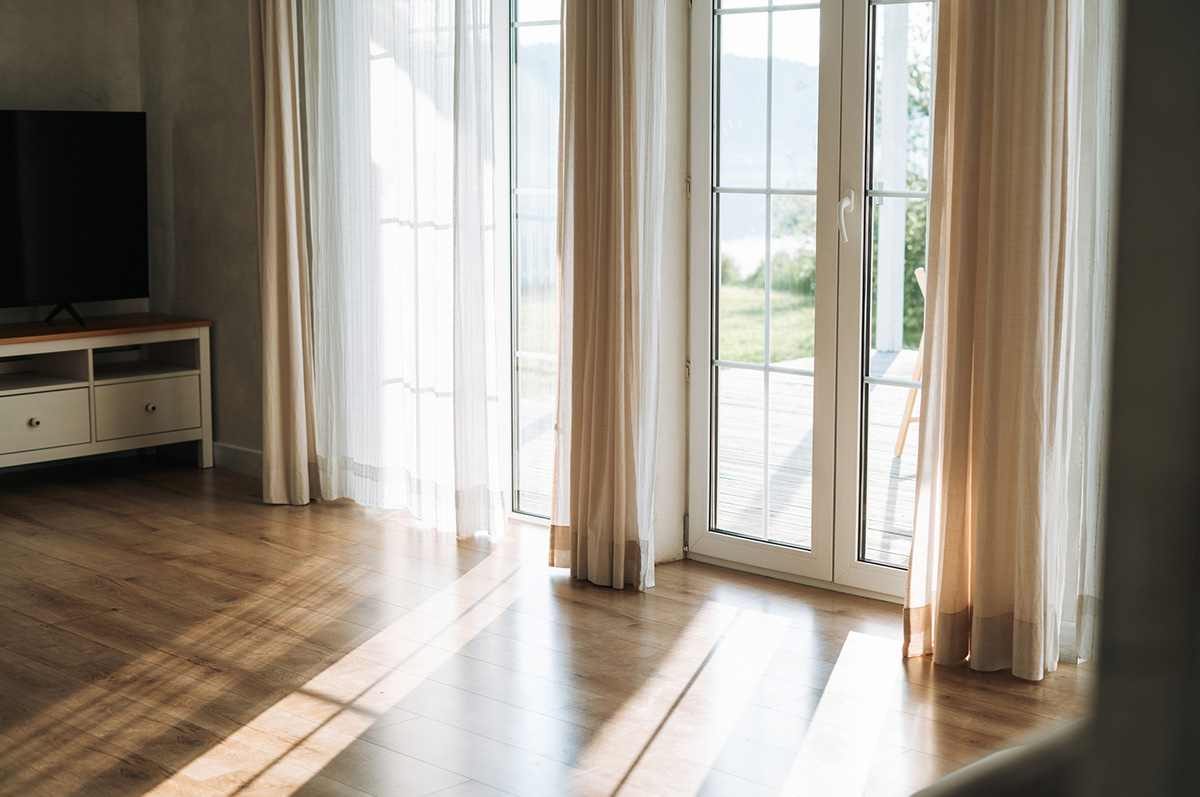
An alternative to glass treatments, sheer curtains offer privacy and direct sun protection, while still letting in plenty of light.
They offer a softer, more diffused effect than any direct glass films, so are a good option for bedrooms or living spaces.
7. Install raised beds and planters
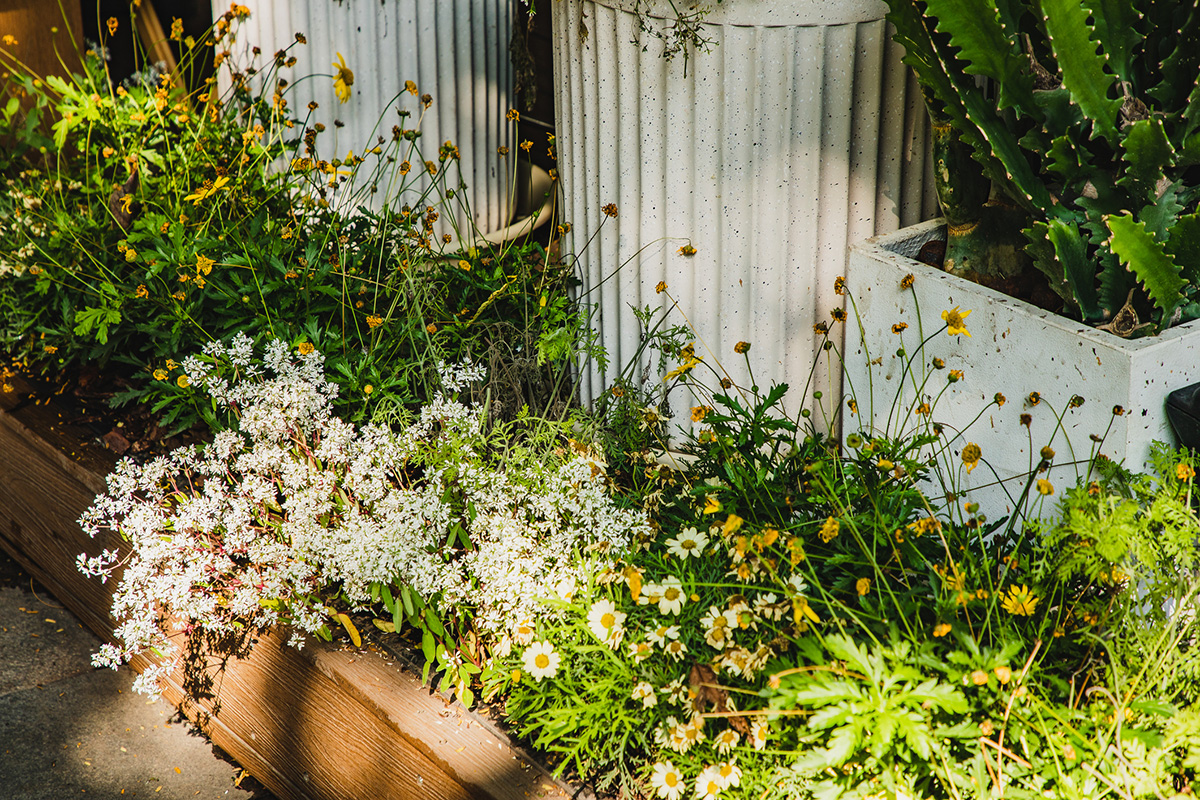
For the green-fingered garden owners, raised beds are a nice way of integrating planting into the garden while also experimenting with privacy screens, as they provide a good stable base from which to plant integrated trellises or tall plants for a natural divider.
Here's how to make a living screen planter.
8. Plant stuff – the taller, the better!
Bamboo and tall ornamental grasses create a natural blocker for nosy neighbours, while also maintaining soft textures in your green space.
Or you could think about planting ornamental trees, such as magnolias, or plants such as willow, which create a natural screen.
You’ll have to be willing to wait a while for your tall plants to be established, however, as you’re always better off planting younger plants and establishing them yourself.
9. Move outdoor seating away from lines of sight
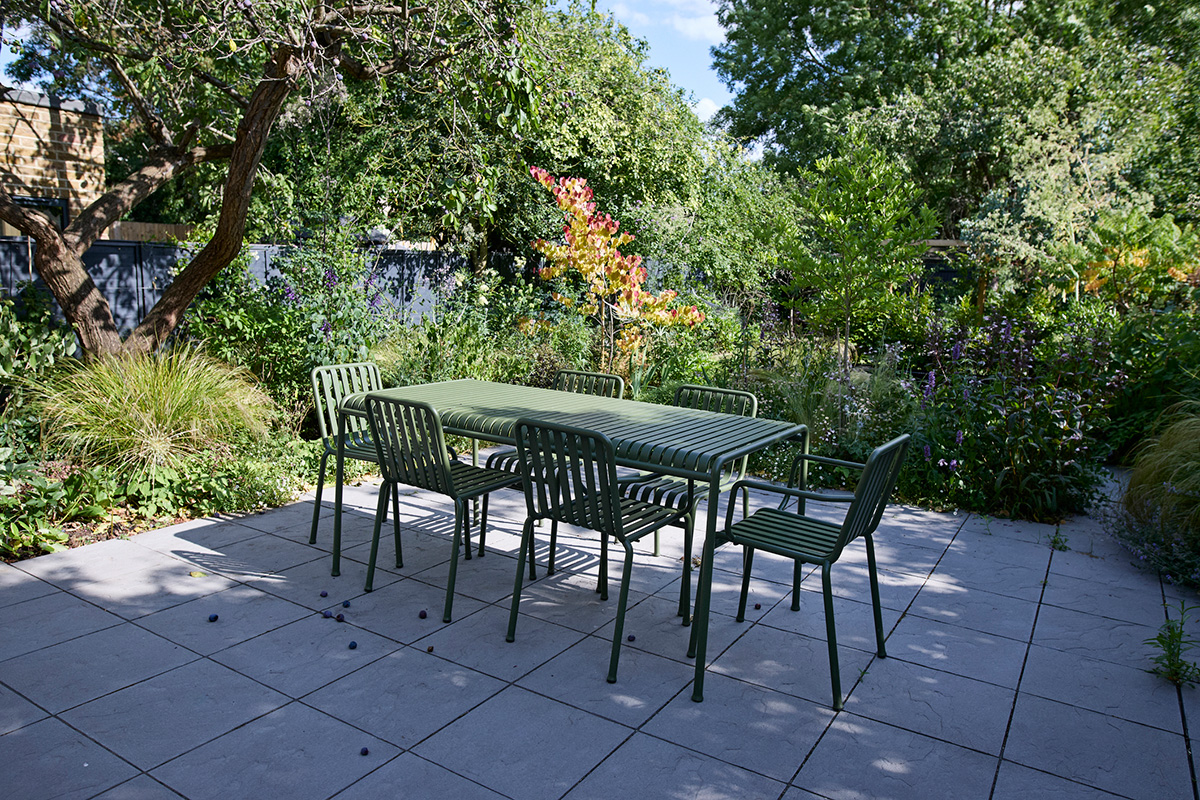
Experiment with sightlines, and move your outdoor furniture accordingly. Consider the direction of sound, too, if your neighbours are particularly adept listeners.
Generally speaking, the most private spots for outdoor seating are in sheltered corners or against a solid wall or fence, particularly if you can position yourself facing away from the troublesome neighbours.
Here are the best garden day beds for outdoor lounging.
- Best rattan furniture for a lovely garden
- How to prepare your garden furniture for summer
- Garden seating ideas for outdoor living room style
10. Use moveable pots
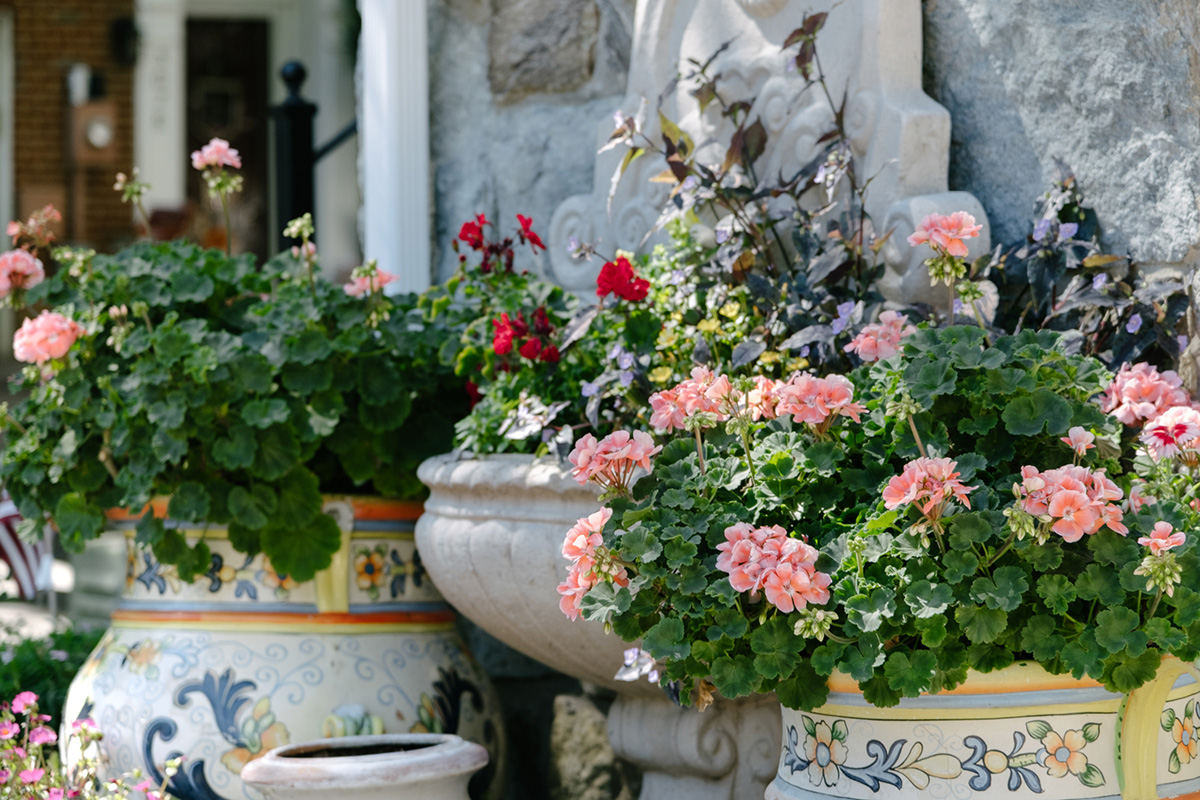
In smaller gardens or balconies, moveable pots are the best solution. This is also a great option for those in rental accommodation, who may want to take their privacy solutions with them when they leave.
But it’s also worth trying pots if you have a larger garden too, as you can move them around the garden and test their locations, giving you flexibility as your garden changes.
11. Create a living wall
To create a living privacy wall quickly and affordable, attach vertical planters or a trellis to a sturdy fence or freestanding frame.
Dense evergreen plants like ferns or trailing ivy will help you block unwanted views almost instantly, while also creating a lush green environment for you to spend time in.
If timber trellises are too expensive, you could even try a simple wire mesh metal grid. After all, it’ll soon be covered in bright green leaves, so won’t make your garden look like a post-industrial wasteland for very long at all.
12. Install a pergola
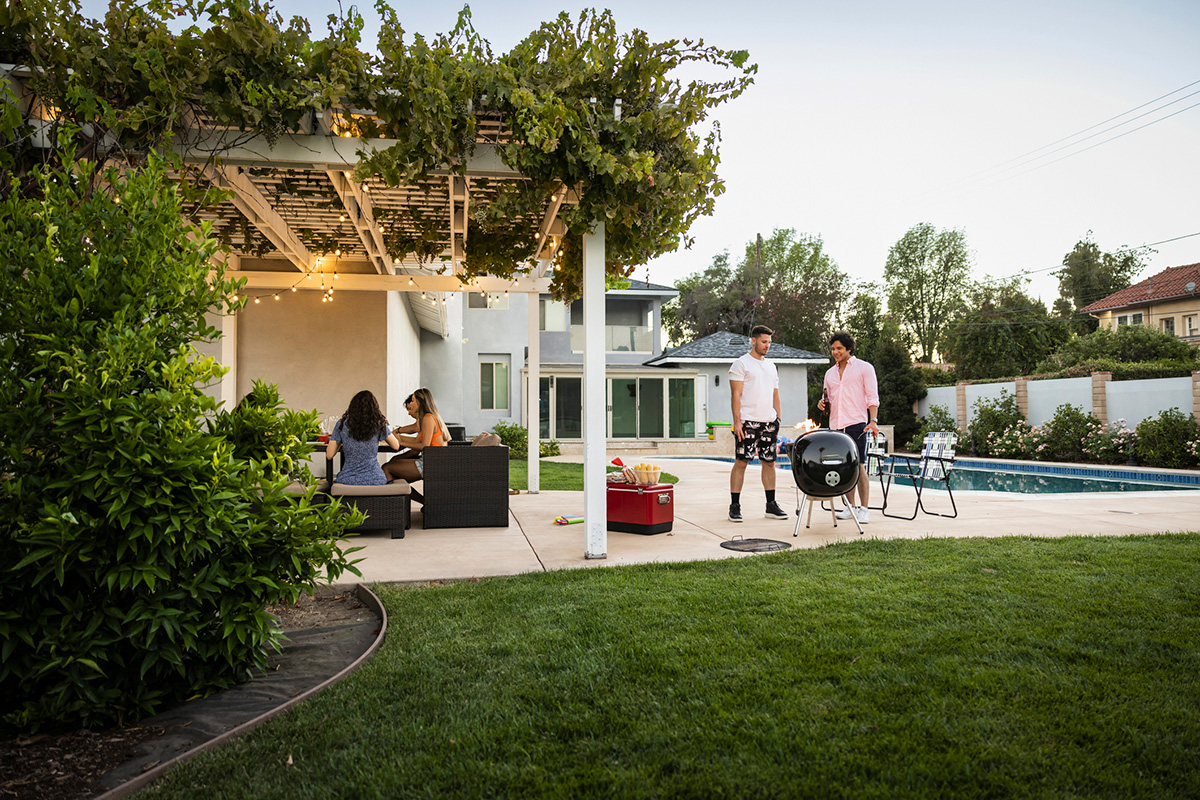
If you’ve got a bit more budget up your sleeve, you could think about getting a pergola. These are particularly good for outdoor seating areas, creating a private outdoor retreat – and crucially, in our changing climate, adding some much-needed shade on those scorching afternoons.
What’s more, you can also add climbing plants to the top and sides, creating a green canopy to escape into.
If privacy is of the utmost importance, you could add side panels to block out the view for nosy neighbours (and keep out rain on a wet day). Here's how to decorate your pergola and make it extra stylish.
- Sun umbrella ideas: 6 stylish parasols to keep you cool in the summer sunshine
- Best outdoor heaters to keep your garden toasty
13. Try a shade sail
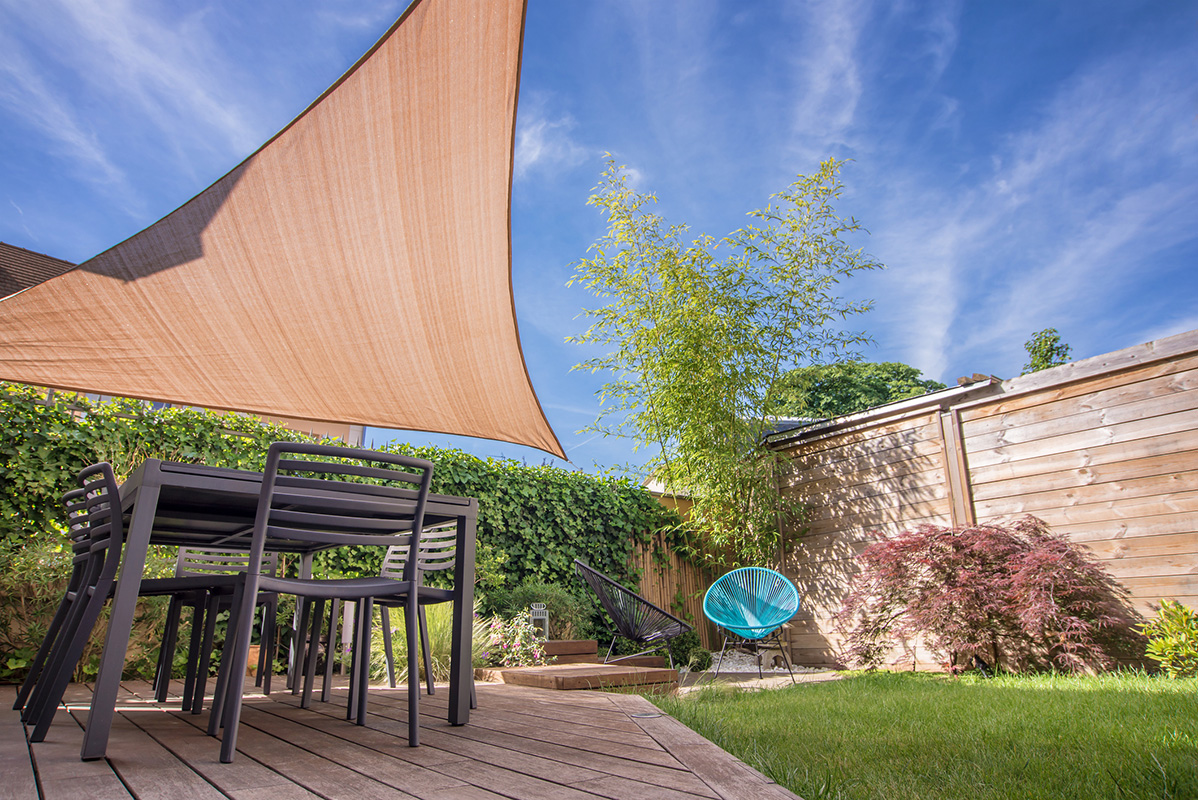
As our summers get hotter and drier, sun protection in the garden is going to become a much bigger issue, so it’s best to plan ahead and look to add some shady spots in your garden too.
A shade sail does just this – but also doubles up as a privacy screen when hung at angles across viewlines. They block UV raise and decrease temperatures, as well as restricting the view of onlookers.
While there are many more expensive options, you can pick up a simple shade sail for around £25, so it’s a more budget-friendly version than a full-scale pergola.
14. Plant pleached trees
Pleached trees are trained to create a screen, by interlacing young shoots along a supportive framework. You’ll often see several pleached trees planted in a row, which creates a look of a high hedge. They block views from upper windows and higher neighbours without taking up space on the ground.

