The surprising things bees need from your garden (it's not just flowers)
A garden full of buzzing bees is a sign of a healthy ecosystem – but it's becoming an increasingly rare sight. With many wild bee species under growing threat, every garden has the potential to make a difference. Whether you have a sprawling lawn, a tiny patio or just a few pots on a balcony, these simple tips will help turn your outdoor space into a sanctuary for bees.
Bees are facing growing pressure from habitat loss, pesticide use, climate change and disease. While not every bee species is declining, the overall outlook is concerning. According to the latest IUCN European Red List assessment, around one in ten wild bee species in Europe is threatened with extinction. The number of species classified as threatened has more than doubled from 77 in 2014 to 172 today, highlighting the increasing risks facing pollinators.
- The fake grass backlash: Why more homeowners are ripping it up – and how to replace yours
- Here’s how to create a thriving wildflower meadow in your garden
However, your garden is the perfect ecosystem to help replenish the species, no matter its size. With a range of nectar and pollen-producing plants, your garden will soon be buzzing – and so will you!
And for more tips on turning your outdoor space into a haven for wildlife, check out our tips for creating a butterfly-friendly garden and for attracting birds to your garden with a bird bath.
How to create a bee-friendly garden
Pick bee-friendly flowers
The main thing in a bee-friendly garden is the plants you grow. Since bees are pollinators, they need plenty of nectar and pollen to eat, and some plants are better producers of this than others.
On top of this, bees can also see certain colours better than others. For example, they are susceptible to green, blues, purples, and ultra-violet light (which flowers reflect in large quantities), but they can’t see reds well. So, you should consider the colour of your flowers carefully when planting.
Some of our favourite bee-friendly plants are:
Best bee-friendly flowers
- Bluebell
- Lavender
- Sunflower
- Foxglove
- Crocus
- Primrose
- Snapdragon
- Sedum
Plant for every season
Although you’re most likely to spot bees in the spring and summer, they will need some nectar and pollen supplies throughout the rest of the year.
Honey bees do not hibernate over winter, so they will need supplies of nectar and pollen all year round. To provide plenty of variety all year round, add flowers with assorted blooming times.
Choosing a mix of early and late-season plants will ensure your garden is full of buzzing bees and vibrant colours from early spring until long after the end of summer.
Create a safe home for bees
Several species of bees don’t live in hives, and there are also plenty of solitary bee species that travel alone.
By adding a safe place for bees to shelter, you may see them in your garden more often than you expected!
Bee hotels are the easiest way to attract solitary bees and increase species diversity in your garden. Bees will lay their eggs in a bee hotel, which will hatch and emerge straight into your garden. However, remember that bee hotels will need full sun.
Leave the weeds
Although weeds may be a minor nuisance to you, they are incredibly beneficial to wildlife species. Dandelions, clovers, honeysuckle, knapweed, and chickweed are just some examples of wildflowers that will bring bees back to your garden repeatedly.
In addition, these nectar-rich plants will provide plenty of food for bees without you even trying! So don’t be afraid to let your garden grow a little wild and let nature take its course.
Provide water
As with all animals, bees require water. Not only do they need water to drink, but they will also use it to thin crystallised honey and regulate the temperature of their hives.
Try to provide a water source in your garden. A shallow tray should be more than enough, though try to add some rocks or stones around the edge to give bees a place to land. Bees require water all year round, so check that they have a source of water regularly.
Avoid pesticides
Finally, as with any wildlife space, you must avoid the use of chemicals and pesticides in a bee-friendly garden. Pesticides are extremely toxic to bees and will kill most of them off – they are one of the main causes for the drastic decline in bee numbers in recent years.
Instead, choose more natural gardening methods, such as natural fertilisers for stronger plants and companion planting strategies to deter any pests without causing any harm.
Bee-friendly ideas for small gardens
Fortunately, having a small garden doesn’t limit your ability to attract bees. The main thing that will attract bees to your garden is flowers, and you’ll always have room for them!
Even if it’s something as small as a windowsill planter or a few pots on your balcony, you have space for a bee-friendly area wherever you have room outdoors.
Remember, bees have limited sight, so plant clusters of brightly coloured plants – including plenty of purples! – that they can easily see and smell. If your space is limited, go for strong-smelling flowers that will bloom primarily in spring and summer.
However, if you’re working with a large balcony or a small section of the garden, incorporate a range of flowers that will bloom all year.
To complete your small, bee-friendly garden, add a water source. Even a modest, shallow tray will do the trick – just make sure the bees have somewhere to perch, and refill it regularly. Check out our piece on garden pond ideas for small spaces.
Bee-friendly ideas for medium gardens
If you have a bit more space to work with, consider planting more ambitiously with a range of trees, vegetables and herbs, and flowers. Plenty of plants provide nectar and pollen besides flowers, and they can be just as beneficial to you too.
Growing your own cooking produce is the healthiest option for your body since you know exactly where they’ve been and how they have been treated.
Some of the best plants, besides flowers, to add to your garden include:
Best bee-friendly trees
- Apple trees
- Cherry trees
- Willow trees
- Hawthorn trees
- Juneberry trees
Best bee-friendly vegetables and herbs
- Onions
- Carrots
- Peas
- Cucumbers
- Tomatoes
- Mint
- Fennel
- Rosemary
- Chives
- Sage
As well as planting to help bees, a medium-sized garden should allow you to give them a safe place to shelter. Add a bee hotel to your space to keep your new friends around.
Bee-friendly ideas for large gardens
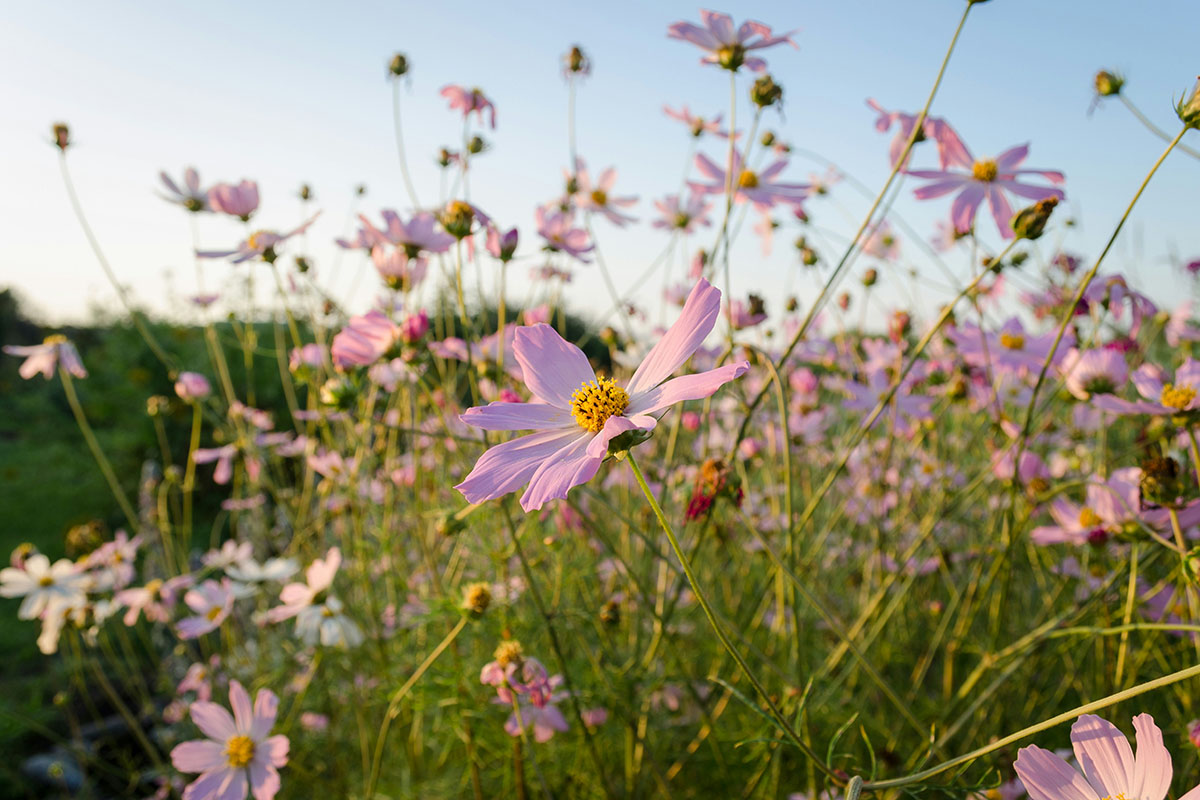
If you are blessed with a large garden, one of the most bee-friendly options is to add a wildflower meadow. As well as plenty of flowers in your garden beds and various trees, vegetables and herbs, a wildflower meadow is a rich environment for bees and plenty of other wildlife species. A wildflower meadow provides not only nectar but also shelter, rest areas and a safe place for their young.
Growing wildflowers is relatively easy, as they will thrive in even poor soil conditions. If you’d like to give your wildflower meadow the best chance of flourishing in healthy soil, starve it of nutrients before planting. Look for native wildflowers that will attract bees – such as bluebells, comfrey, clovers and wood anemone – and, ideally, sow them in autumn.
Add a path through your meadow or around the side to make your wildflower meadow feel more like a part of your garden. This will integrate your wildflower meadow into the rest of your garden and show that it is a feature that you are proud of.
This article was created by Sean Barker, marketing director at First Tunnels, one of the UK’s leading suppliers in polytunnels. They have a large range of polytunnels from domestic to commercial, which are perfect for everyone’s gardening needs.
Read more: