
Radio 2 host Jo Whiley recently hit the headlines for her promotion of an unexpected new home hack she picked up from Dame Judi Dench, while interviewing her for the RHS Roots podcast.
Whiley spoke to Woman & Home and said that her visit to the Oscar-winning actor’s home made her reconsider her own approach to clutter, after a spell of decluttering as her children leave home.
Rather than keeping a pristine house with minimal objects, Whiley was inspired by Dench’s warm and welcoming home, with the actor surrounded with mementos of family life.
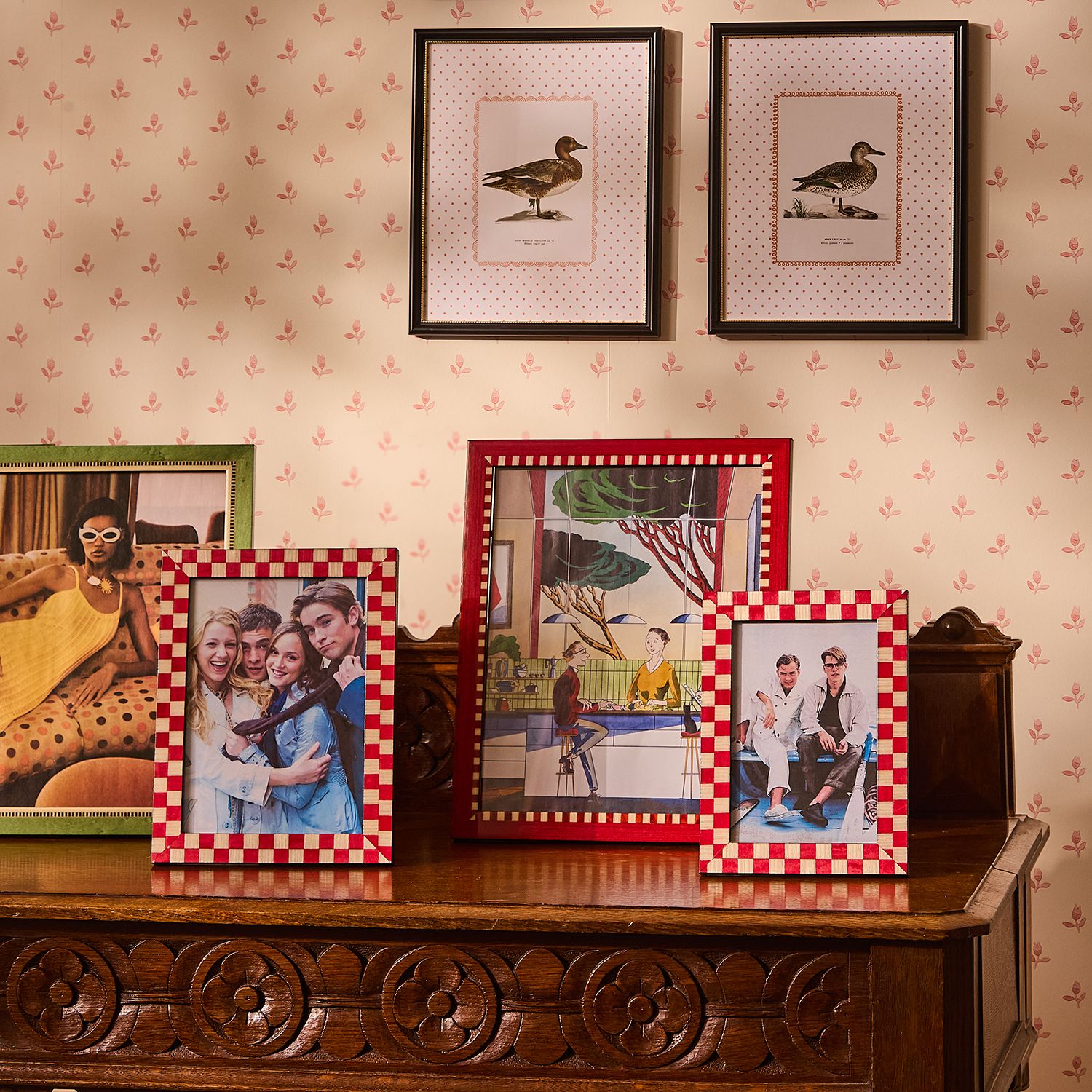
This is a trend known as ‘recluttering’, or ‘reverse decluttering’, in which sentimental items, family photographs and cherished mementos are purposefully brought back into the open to help create a more lived-in feel in the home.
‘I’d been getting rid of things and trying to make everything look a bit more streamlined now the kids have left home,’ she told Woman & Home.
Everything changed, she explained, when she saw Dench’s home and how full of life it felt. ‘It was packed with family photographs, children’s drawings and memories everywhere. It made me realise that’s what a home should feel like.
‘Seeing Judi’s reminded me that lived-in spaces are often the most beautiful because they reflect a lifetime of love, family and shared experiences.’ The experience made Whiley rethink her decision to have a further clear-out, instead embracing the familiar objects that her family have built their lives around.
‘I suddenly thought,’ “Why am I putting all these things away?”. As soon as I got home, I immediately put all the family photographs back out. It’s those little things that make a house feel like home. It’s the memories that matter.’
What is recluttering?
Instead of spring cleaning, you simply reframe your clutter. Clutter is generally defined as unorganised and reactive – a response to different eras in a person’s life, with objects from different experiences presented alongside one another.
Recluttering maintains the personality of a space and its symbiotic relationship with the inhabitants. The objects, the space and the inhabitants are all in conversation with one another.
How should you reclutter?
Don’t cull; curate.
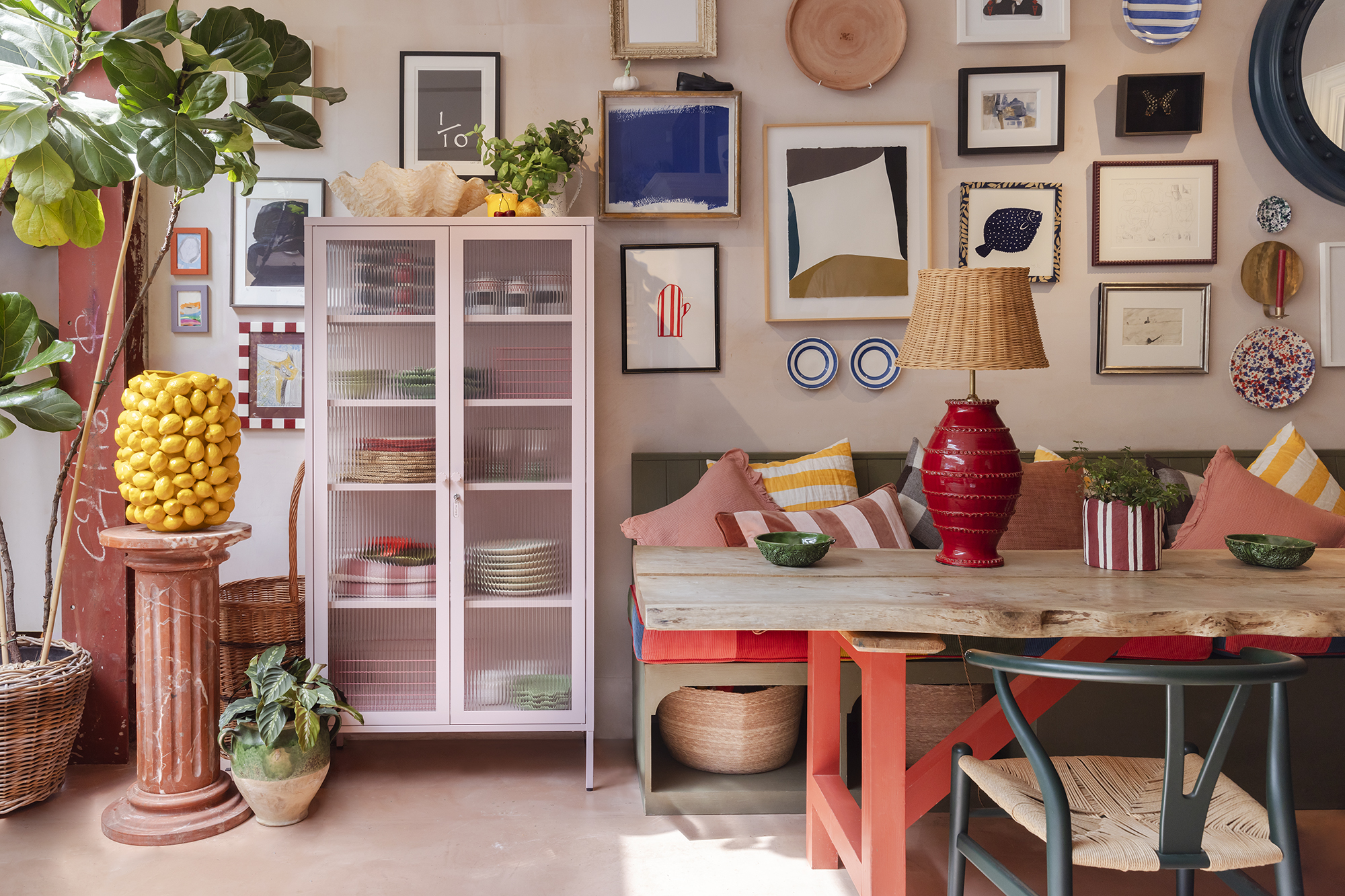
It’s still worth doing an audit of the objects around your home, questioning their value in your life and in your living space. There is a difference between clutter and meaningful possessions – but unfortunately there’s no hard science on that, so it’s up to you to work it out.
If you’re choosing to reclutter and keep objects, they should be well displayed so they can be enjoyed as much as possible. There’s no point recluttering and keeping everything in storage boxes. Decide which objects you want in sight – and then choose some lovely open shelving to showcase them.
So, what’s the science behind recluttering?
A study in Current Opinion in Psychology found that some objects help bring significant memories to mind, with souvenirs and mementos acting as key anchors to our past.
A study in Emotion, Space and Society found that possessions help us feel at home in a space. In fact, the study finds that the loss of possessions can cause distress and affect ‘belongingness’ – the perception of fitting into one’s environment – among older adults. This suggests that mementos play a crucial role in helping us feel safe in our environments as we age.
Top image: Actress Judi Dench at home, 1967 (Photo by Beverly Goodway/Mirrorpix/Getty Images)
Read more:
