
The 5 home security myths that burglars love: here are the REAL ways to protect your home this summer
What are some free things I can do to keep my home secure while I’m away?

Matt Parkes is marketing manager at Burg-Wächter. He works closely with a number of industry bodies, including the Master Locksmith Association, Secured by Design, and Sold Secure. He says…
‘It may seem simple, but making sure that all windows and doors are locked is the first step, and get into the habit of checking them too. Using a timer or smart plugs for lights when you’re not at home and leaving a radio on both help to give the impression that someone is in, and act as a deterrent to opportunistic burglars.
Avoid showcasing valuable items that might attract would-be thieves peering through your windows. Also, make sure that ladders are not left outside, to prevent giving easy access to your home.
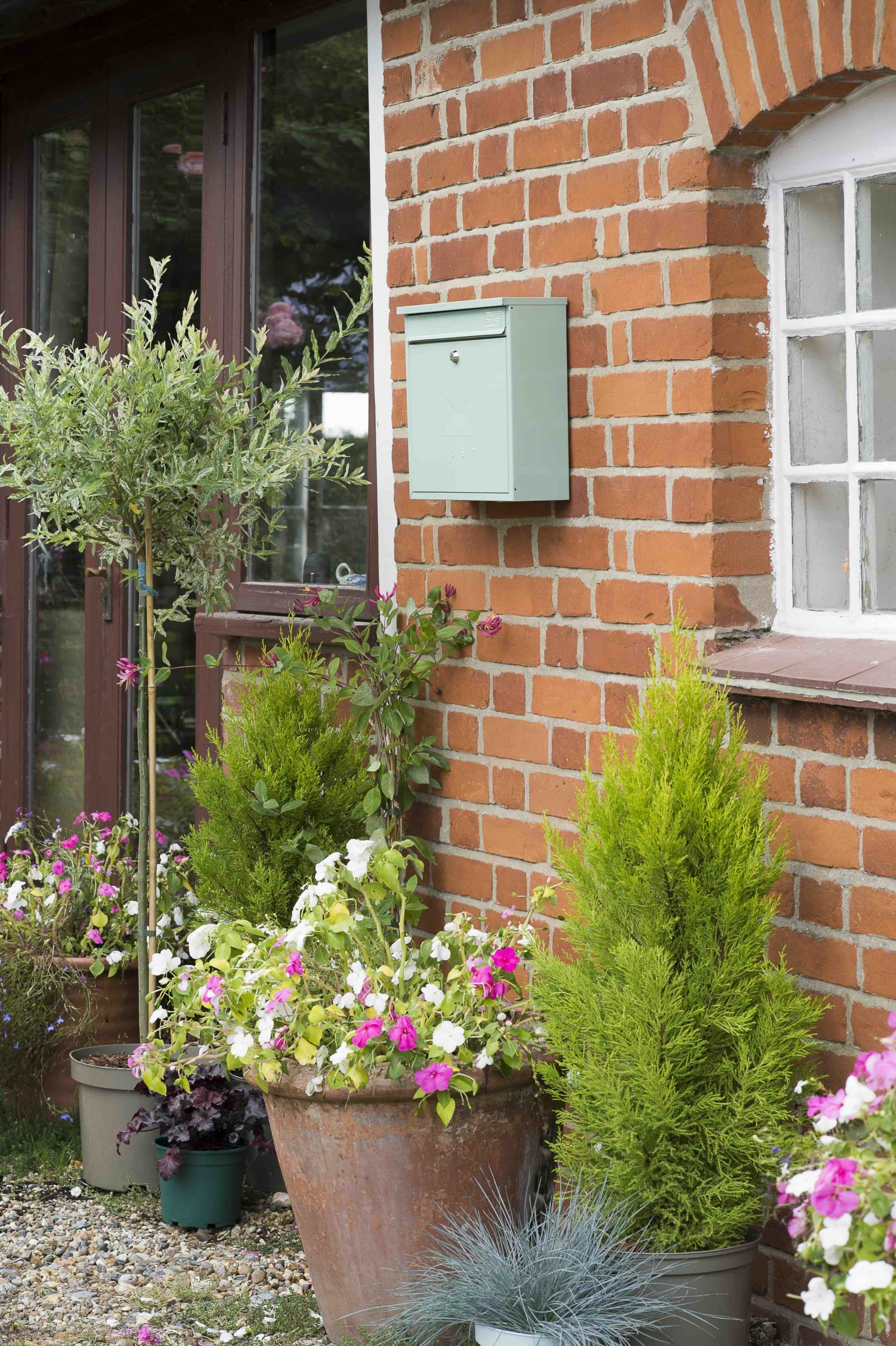
Resist the temptation to hide a spare key under a handy pot – it is much better to leave a spare with a trusted neighbour if you need to, or why not consider using a key-safe designed specifically for the job?
Indeed, your next-door neighbours can be invaluable when it comes to home security as they will most likely notice if something is amiss. Neighbours can provide immediate assistance if necessary and can also keep an eye on your home while you’re away.’
Visit the Burg-Wächter website to see its range of security kits.
I love to post on social media while I’m on holiday, but how can I do this safely?

Dave Bond is a security expert at Alexandra Security, which provides a complete range of perimeter safety and security systems in the UK. He says…
‘Posting those stunning holiday shots to social media in real-time can be hugely tempting, but the risks are high.
Research shows that 41% of people believe social media influences crime, and I agree. Posting your location is an automatic beacon for thieves, alerting them that you’re not at home. Rather worryingly, 27% of people in the research admitted to doing this, which is something we heavily advise all our customers against.
We also recommend never showing your house number, exterior, or keys in social media posts, as this can make it far easier for criminals to locate your home. They can then follow your stories to see when you’re not in.
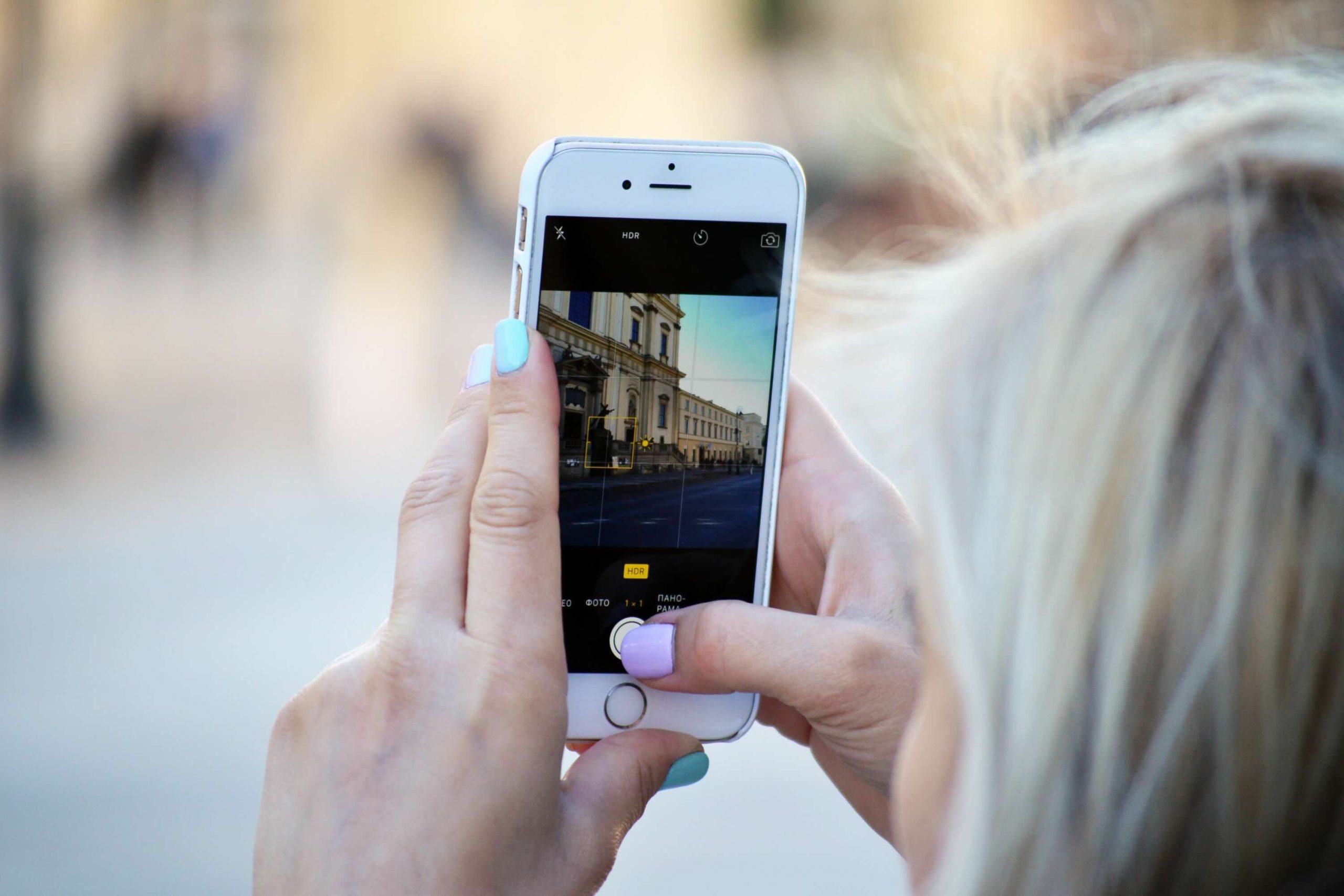
I’m not suggesting that people refrain entirely from sharing those wine-sipping, sun-soaked holiday photos – just use a little caution. To keep your family and friends updated, set up a private group or WhatsApp chat.
Alternatively, simply delay your posts. When on vacation, be in the moment! Soak it all in, take lots of photos, and have fun. Then, when you’re home, caption posts with something like “Last week in Tuscany” or “It’s always great to be home, but I already miss this!”’
- How to keep your garden safe this summer
- 3 common home security 'tips' are an invitation to burglars: here's what security experts advise instead
I need to replace my front door, but I’m baffled by the options. What are the best doors and locks for a secure home?

Rachael Munby is chief marketing officer at Anglian Home Improvements, experts in windows, doors and conservatories. She says…
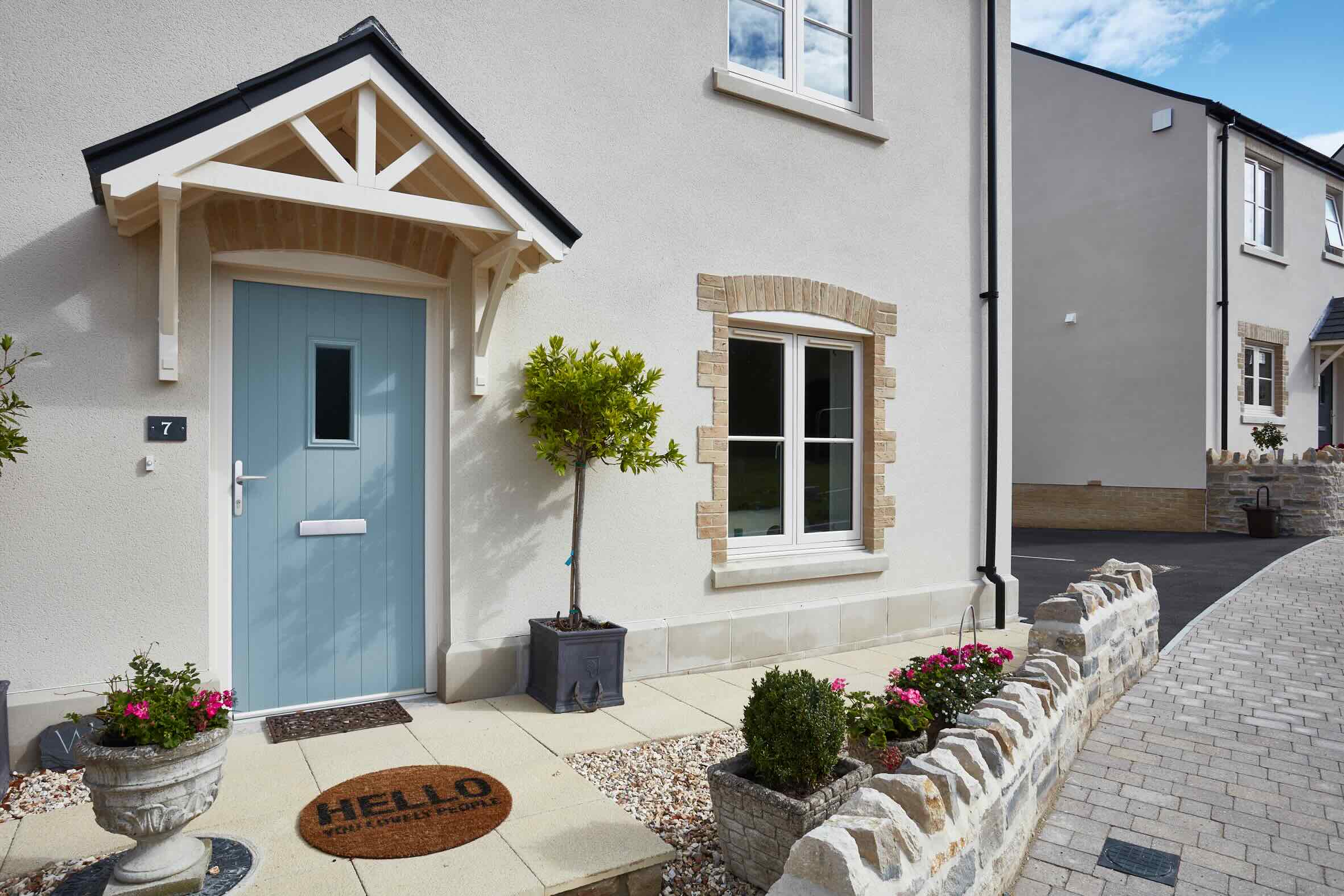
‘In England and Wales, 76% of burglars gain entry through a door, so it’s important to ensure your home is well protected. When choosing the best front door for security, the most important factors to consider are the material of the door and the lock.
A composite door is one of the safest front doors. They are made from a combination of materials that usually include wood, uPVC, PU foam insulation and a sturdy thermoplastic polymer skin.
The combination of these materials makes a solid door that can withstand potential brute force. Modern uPVC doors with a multi-point locking system and a three-star cylinder lock are another good choice of door for security.
A cylinder lock with a three-star symbol is considered one of the most secure locks. The three stars indicates the mechanism has attained TS007 British Standard kitemark level of security.
For added peace of mind, check your lock also includes anti-drill pins to provide resistance, anti-pick and anti-bump pin stacks that prevent your lock from being compromised, and anti-plug and anti-snap systems that allow a small section of the cylinder to be sacrificed under attack, leaving the remainder intact. Maintain your lock’s integrity by regularly cleaning and lubricating any moving parts.’
What are the last things we should check before we leave the house for a trip?

Michelle Kradolfer is national manager of Secured by Design, the official police security initiative which has the aim of reducing crime and helping people live more safely. She says…
‘Going on holiday is an exciting time and something that we all look forward to. However, before going away you do need to think about the security of your home. Here’s our list of last-minute checks:
- Double-check all doors and windows are closed and locked. Bear in mind that most insurance policies only cover burglary claims on an unoccupied home if there are signs of forced entry. Remove the keys from all windows and doors and put them in a safe place when you leave the house.
- Make sure all access points are secured and activate any external security lighting that you may have.
- Ensure gardening equipment, tools and ladders are put away and securely stored. Don’t leave them lying around in your garden as they could aid burglars.
- Ensure that any sheds and outbuildings are locked and secured. Use good-quality locks on garages and sheds – ensure screws on latches and hinges cannot be undone easily from the outside – and where possible ensure that they are alarmed.
- Don’t leave any valuable items such as laptops and jewellery in view of windows. Lock valuable items away in a ground-anchored safe, or you could consider leaving important documents and valuable items with other family members while you’re away.
- If you have an intruder alarm, make sure it’s set, and switch on any timer plugs with lamps and radios to make your house seem occupied.
- Finally, just before you actually set off, it’s worth allowing a quiet couple of minutes on the doorstep to check you’ve done all you had to do and taken everything you need with you.’
5 home security myths: Busted!

Anthony Neary, security expert at Safe.co.uk, explores common misconceptions about keeping your home safe from burglary…
Most burglaries happen at night While the idea of a masked intruder prowling in the night seems plausible, statistics tell a different story. In reality, many burglaries happen during the day, because burglars aim to strike when houses are empty, reducing the likelihood of confrontation. During these hours, most people are at work or school, leaving homes unoccupied and more vulnerable to unwanted guests.
Burglars usually break in at the back of the house Back entrances do provide a level of privacy that front entrances do not, making them attractive to intruders. However, burglars are opportunistic and will make the most of any vulnerable entry point, whether it’s a door, window, or even a garage.
Burglars are put off by big dogs While it’s true that the presence of a large, intimidating dog can make some intruders think twice, relying solely on a pet for home security is not advisable. Professional burglars often study their targets and might find ways to befriend your pet. Some even see dogs as an advantage for breaking in, assuming other security measures have not been used.
You don't need an alarm system if you live in an area with a low crime rate While it is comforting to live in a community perceived as ‘safe’, this can lead to a false sense of security. Burglars often target such areas precisely because they expect less vigilance and fewer security measures. An alarm system acts as a significant deterrent, regardless of the neighbourhood’s crime statistics.
Home security systems are not affordable Advances in technology and increased competition have made security solutions more accessible than ever before. DIY security systems offer a cost-effective solution that is easy to install and can include features such as motion detectors, door and window sensors, and smart cameras. Professional systems are often available with financing options, reducing the upfront cost.
For more, visit safe.co.uk
Photo: Getty Images
Read more:
