
Your home is your sanctuary, but it might be hiding a few dangerous surprises. While we tend to worry about break-ins or big structural disasters, some of the most serious threats are already sitting right under your nose.
Here are 11 hidden hazards to look out for around the house, and the simple steps you can take to keep your home safe.
Things in your home that can kill you
1. Carbon monoxide
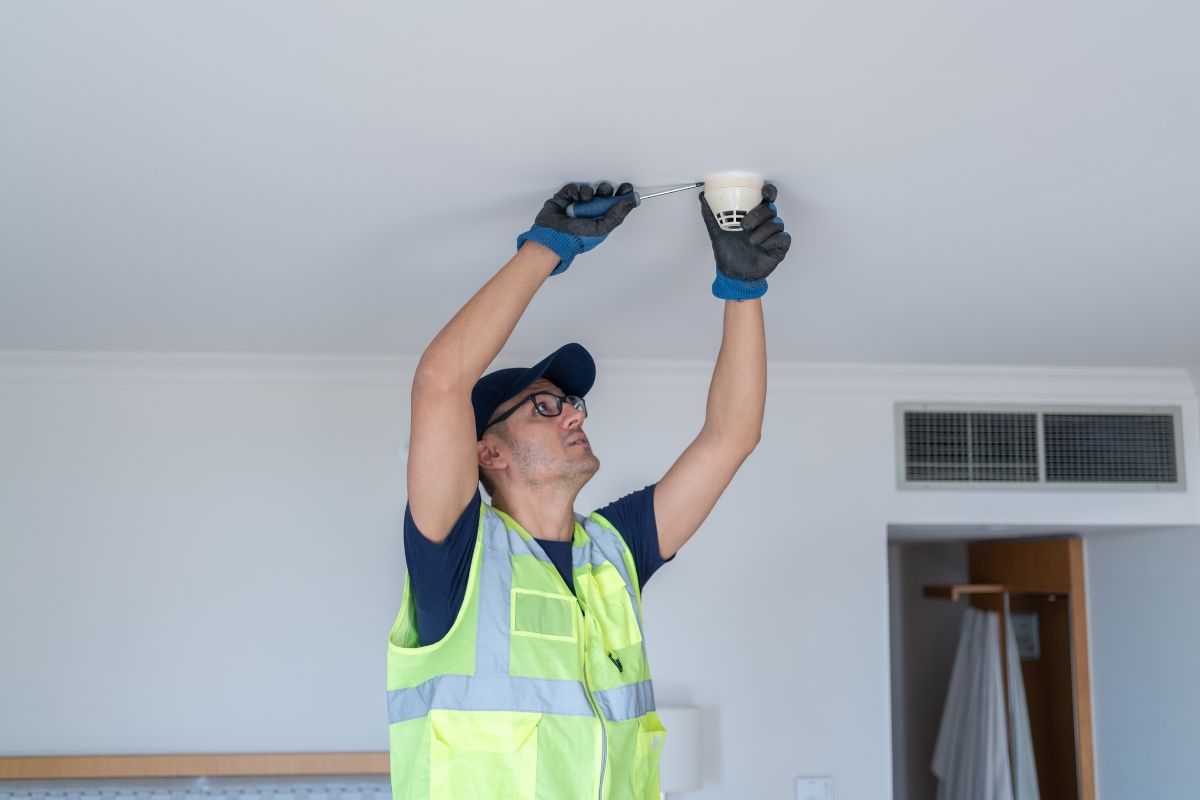
This colourless, odourless and tasteless gas is a silent killer – and can build up inside your home at any point. Carbon monoxide is usually produced in the home by the incomplete burning of fuels such as gas or oil, which takes place when household appliances are faulty or improperly vented.
The common sources are heating appliances, such as broken gas boilers or water heaters, which may lack sufficient airflow, or cooking equipment like gas stoves or ovens, which don’t have enough ventilation. Fireplaces and wood-burning stoves with blocked or damaged chimneys can also release carbon monoxide.
It’s important to install a carbon monoxide detector in your home, and keep an eye out for warning signs: signs of soot around burners or fireplaces, excess moisture or condensation on the walls, rust on pipes or chimneys and yellow or orange flames on gas appliances (they should usually be blue).
2. Lint in tumble dryers
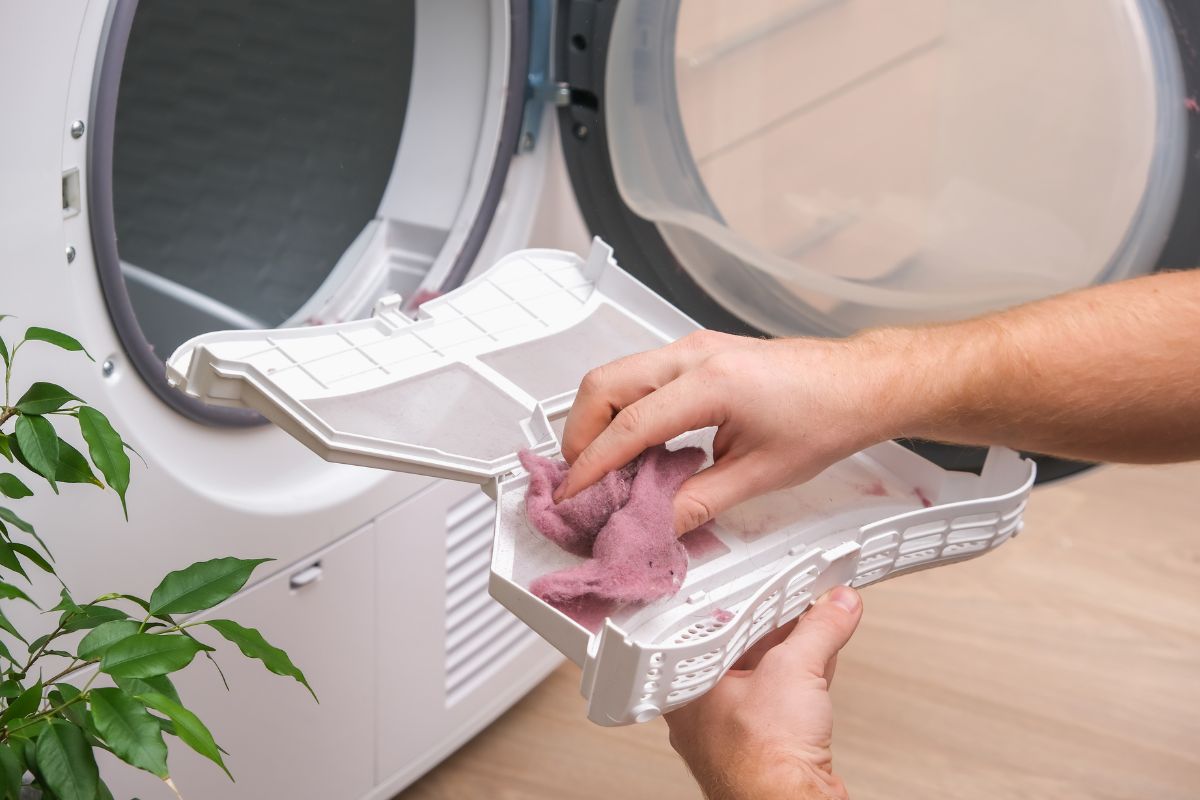
Washing and drying clothes causes fibres to shed, which can cause a build-up of lint in the machines. In washing machines, most of this lint is washed away with the water, but in tumble dryers, significantly more fibres break away from clothing, building up in the lint screen of the machine.
Dryer lint is highly flammable, because the open, fluffy structure of its fibres traps lots of oxygen. Remember to always clean your tumble dryer’s lint filter after every drying cycle – it’s not only necessary to maintain the machine’s efficiency, but also to prevent fire hazards. Failure to clean the lint filter is the leading cause of fires in tumble dryers.
- The best budget washing machines to make laundry day a breeze
- The best energy efficient washing machines
- Best washing machine cleaner - tried and tested
- The best energy-efficient tumble dryers on the market
3. Stairs
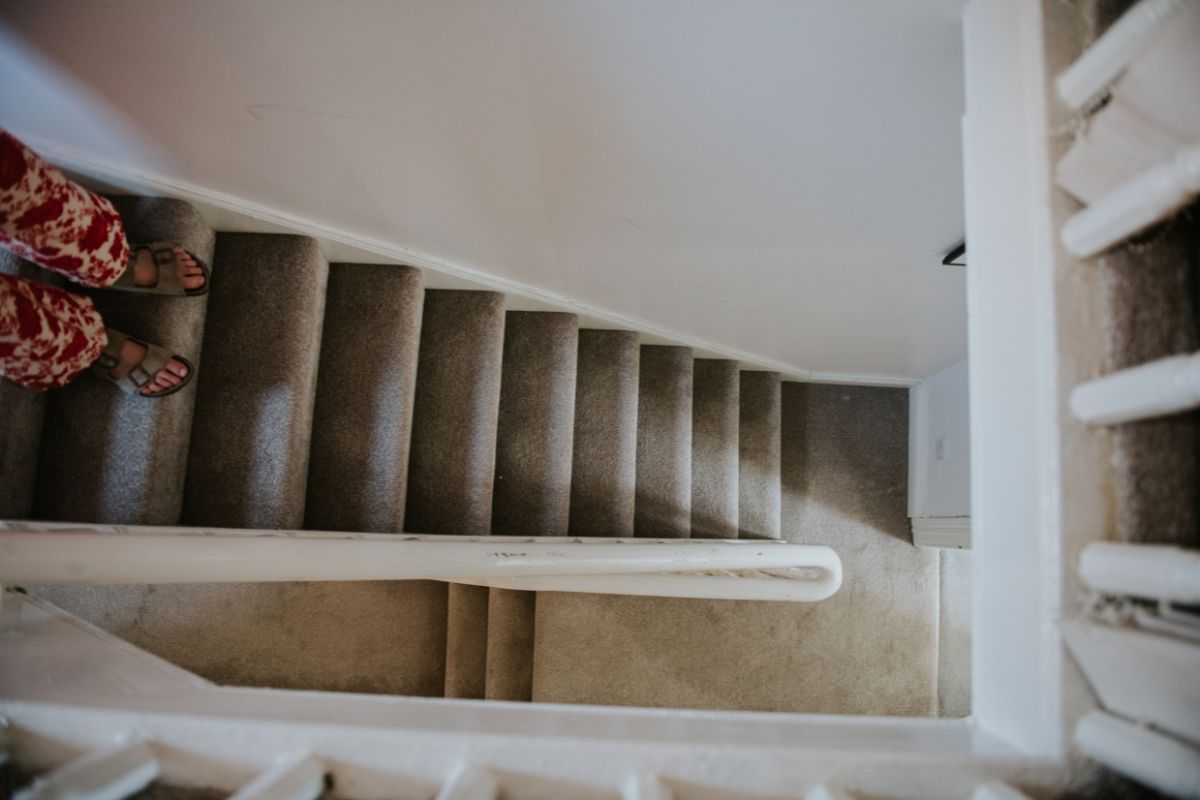
Falls on stairs and steps kill over 1,000 people every year in England and Wales, with 43,000 more hospitalised, according to statistics from the Royal Society for the Prevention of Accidents.
To keep these numbers down, RoSPA suggests building stairs to the British Standard, considering the dimensions of the stairs, their slip resistance (perhaps use a stair runner) and the provision of handrails. If you aren’t able to renovate or change your stairs, it’s worth considering how you’re travelling up and down stairs. Keep a hand free to hold the handrail, and always pay attention to any possible obstacles!
4. Household plants

While most household plants are fine to touch, many are toxic if ingested – so it’s important to always be aware of those, particularly if you have young children (or furry friends) around who like to put things in their mouths! Peace lilies and snake plants are toxic to humans, cats and dogs, because they contain sharp calcium oxalate crystals, which can create irritation and vomiting. In the garden, there are even more risks, so always keep a close eye on what’s there – and check the Royal Horticultural Society’s list of toxic plants if you’re not sure.
5. Incompatible cleaning products
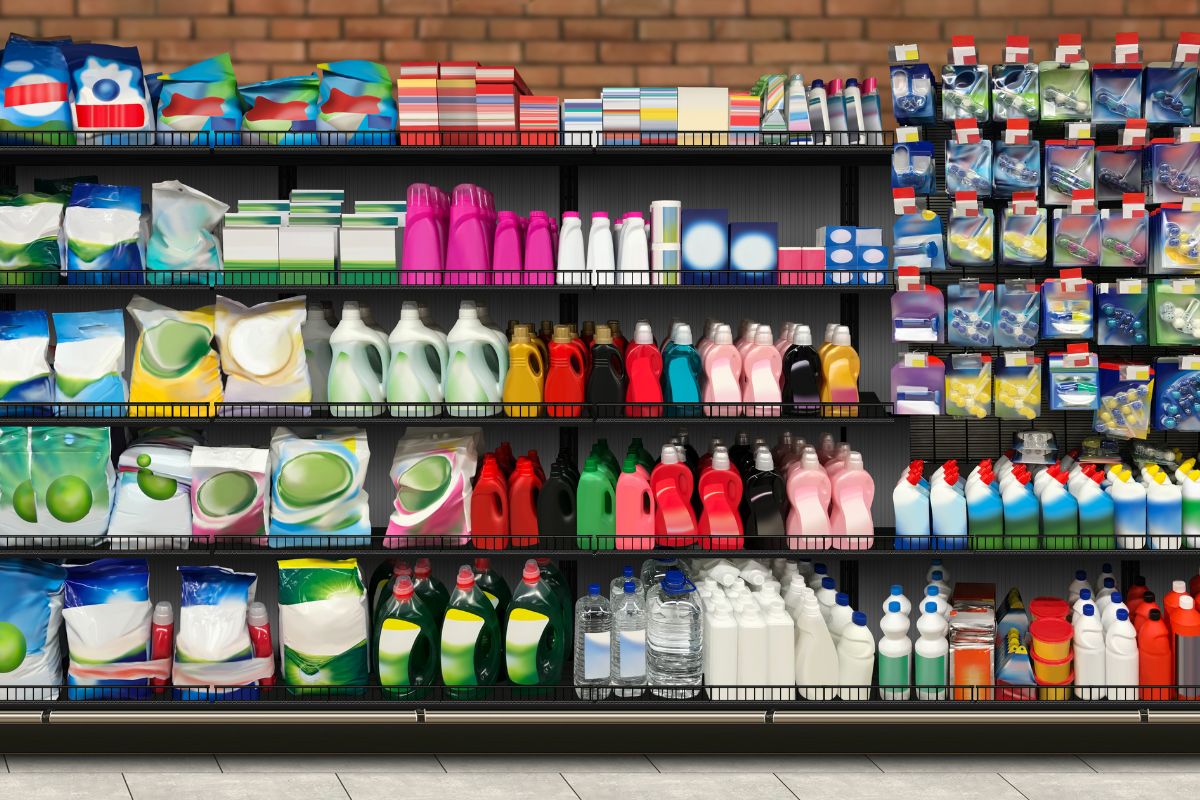
Some combinations of cleaning products can be incredibly dangerous, so this is a key area of the home to be aware of. Although it seems counterintuitive, combining two or more cleaning products very rarely makes either one more effective. In fact, the act of combining products can often create a toxic gas, which can be dangerous.
Cleaning products you should never mix:
- Bleach and vinegar produce chlorine gas, which can cause coughing, breathing problems and burning eyes. Many bathroom cleaners contain acids, which can also produce chlorine gas when combined with bleach.
- Bleach and ammonia (found in some window cleaners) produces a toxic gas called chloramine.
- Bleach and rubbing alcohol produce chloroform, a highly volatile compound, which can be powerful enough to sedate if inhaled or ingested.
6. Damaged electrical outlets

Damaged plug sockets pose several hazards, including electric shocks and electrical fires, as well as potentially ruining your appliances. Cracks or broken faceplates can expose live internal wires, which can be very dangerous if they meet a person. If you see a damaged plug socket, don’t touch it or use it at all. Turn off the power to the particular circuit at your fuse box and hire a qualified professional to test and replace the unit safely.
7. Asbestos
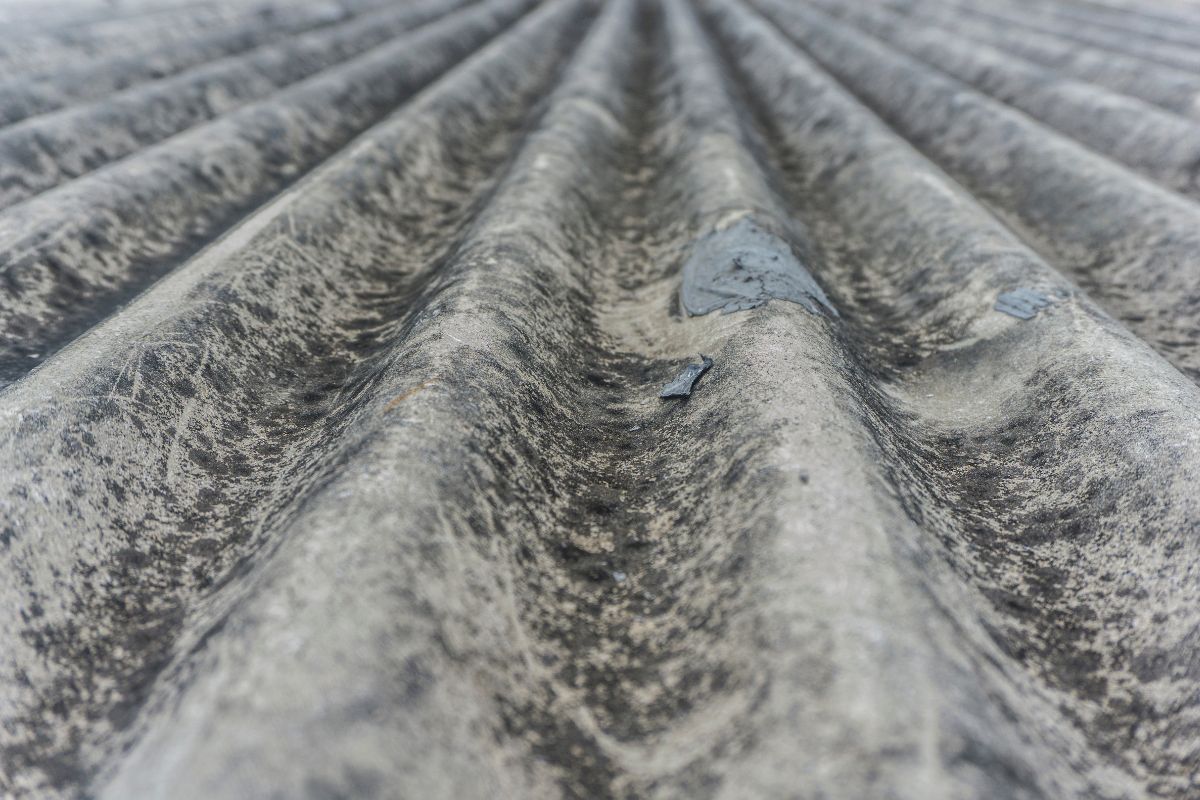
Asbestos was used throughout the 20th century as an insulation material, thanks to its fire-resistant qualities and cheap price point. Due to the health risks following inhalation exposure, its importation to the UK was banned in 1985, with the ban extended in 1999 to include all types of asbestos.
While people can safely come into contact with asbestos in buildings and products, the risk becomes significant if the products are damaged in some way – as fibres may be released. These are the fibres that are hazardous to health and can cause cancer.
Certain products are more likely to contain asbestos than others: textured ceilings and walls like Artex and popcorn finishes, floor tiles, outbuildings and corrugated insulation. If you think a material might contain asbestos, don’t touch it. Instead, seek professional advice about next steps.
8. Log burner
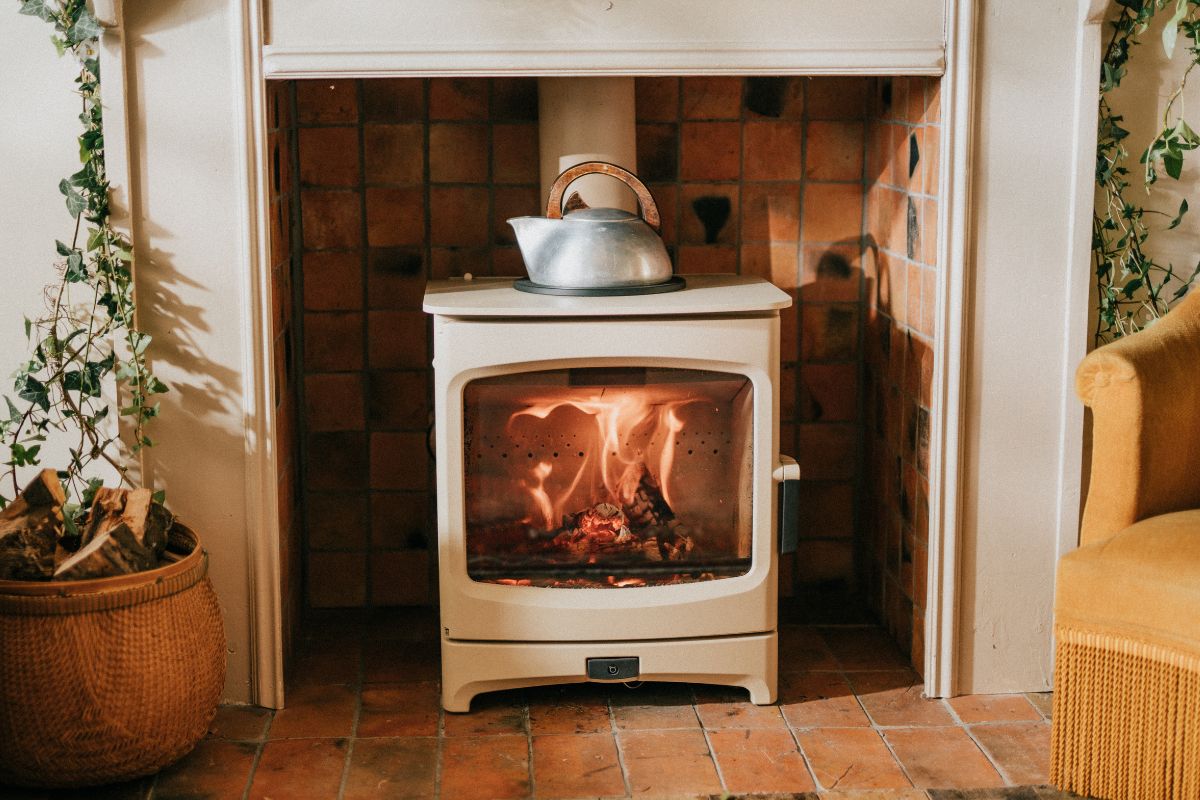
Using a wood-burning stove at home is a major contributor of a pollutant called fine particulate matter, according to Defra. These tiny particles can damage your lungs and be harmful to your health. What’s more, wood stoves can produce carbon monoxide as a byproduct of burning wood, so make sure you have good ventilation and no blockages within your wood burner.
To help maintain your stove – and stop it producing more harmful particles, you should get it serviced once a year, clean out the ash, check firebricks for cracks, clean the stove glass, check the seal around the door and clean the outside of the stove or open fire.
9. Gas hob

Cooking with gas can emit carbon monoxide, so be sure to install a carbon monoxide detector in your home. Plus, the burning gas combines to create nitric oxide and nitrogen dioxide, which can irritate the lungs. That said, using a hood and a vent on your hob can make a difference, drawing any potential air pollution into it. An extractor fan elsewhere in the kitchen is also useful.
10. Lead paint
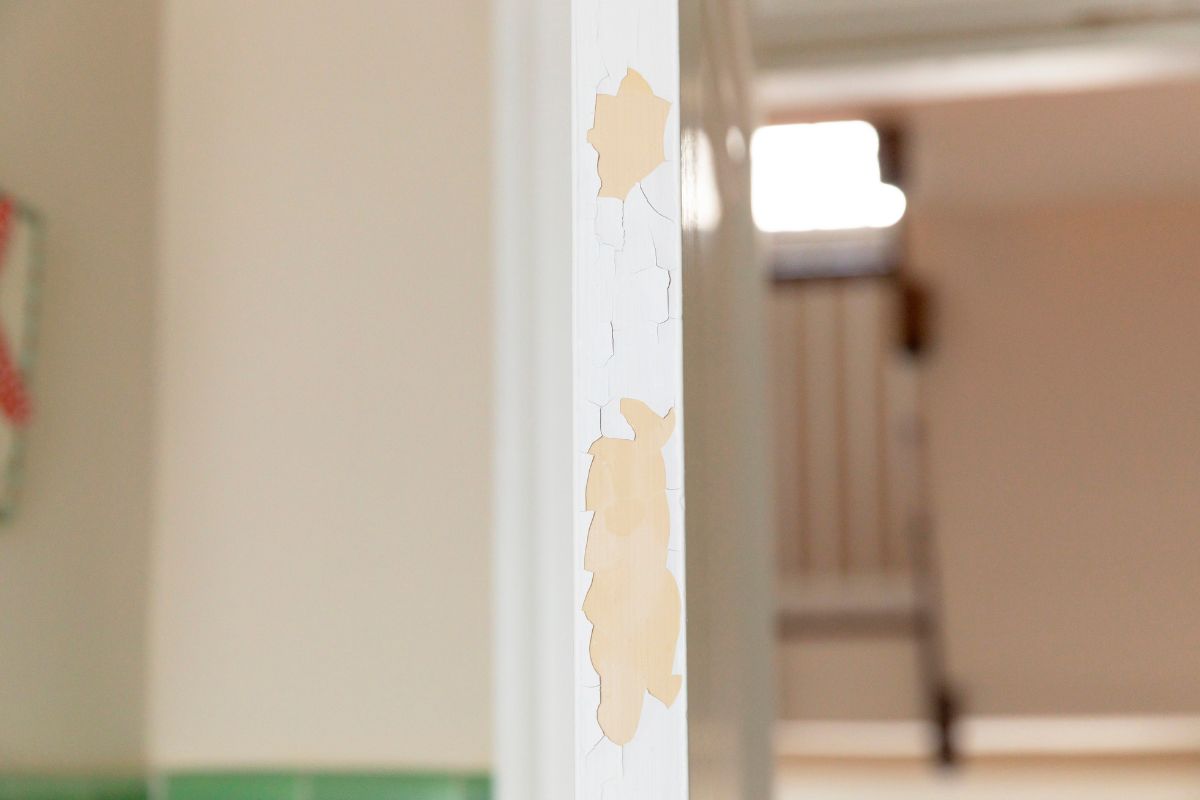
Lead paint is often found in houses built before the 1970s, when it was used because of its quick-drying, moisture-resistant, long-lasting qualities. Production and use reached their peaks between 1900 and the 1950s, but lead paint was banned in the UK in 1992 due to the threat of lead poisoning.
To check if your home has lead paint, use a chemical test kit and check the age of your property. Thick layers of peeling paint can expose lead paint.
11. Candles
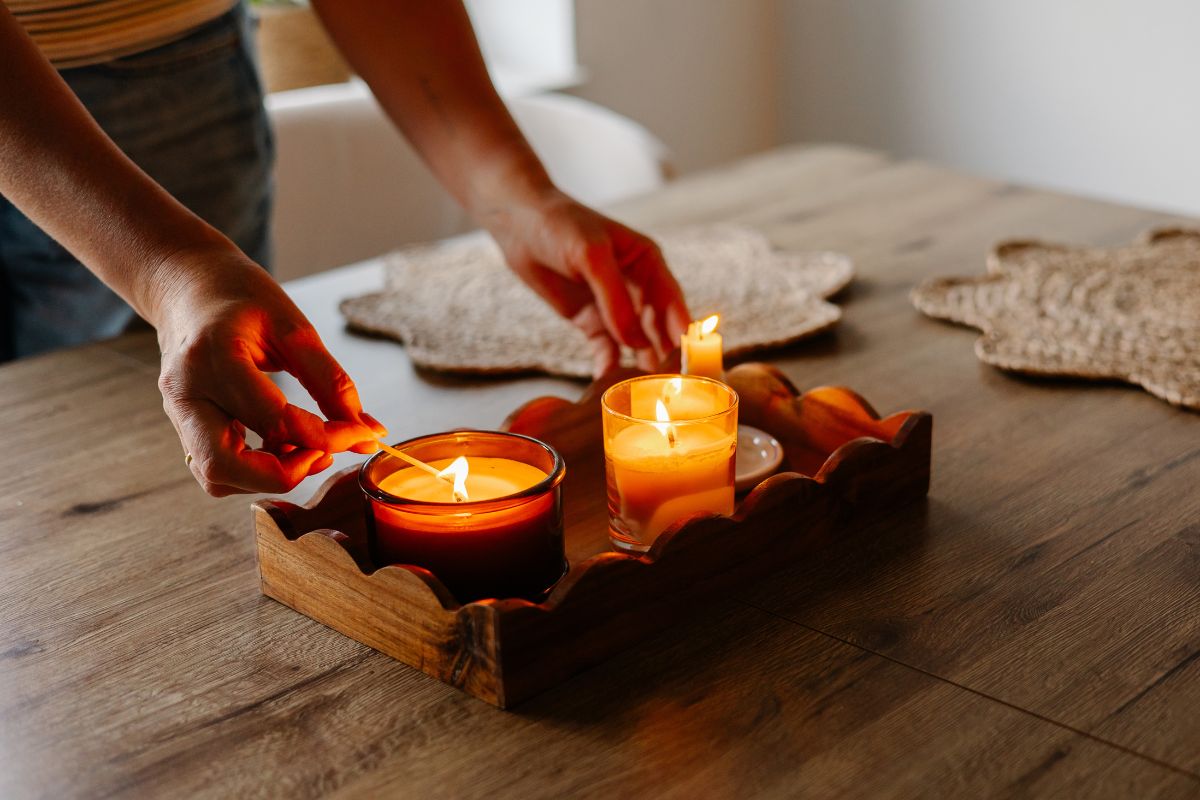
There are more than 50 fires caused by candles every day in the UK, according to the UK Government. To keep your house and family safe, make sure your candles are kept away from flammable materials like curtains, and candles are not left unattended at any point. Burn candles in a well-ventilated room, avoid burning several candles close together (as this can cause the flame to flare), place them carefully out of reach of pets and children, and make sure all candles are in heat-resistant holders. Always ensure you have a fully functioning smoke alarm.
