
Found a bee’s nest in your house or garden? This is the one thing you SHOULDN’T do
Discovering a bee’s nest in your garden or home can be a bit alarming! Especially if you’re worried about children or pets getting stung. But before you do anything, it’s worth finding out what type of bees you have, as how you deal with them varies widely.
- Stacey Solomon discovers an INFESTATION in her home – here’s what to check before the first cold snap
- Bumblebee guide: why they're fluffy, where they nest, and how to help them
Bees are important pollinators and have faced massive decline in recent years. Although they don’t have an official protection status, it’s important to look after them as it’s estimated that 25% of bee species in the UK are currently endangered due to loss of habitat and pesticide use.
Many nests cause little or no trouble when left undisturbed. Bumblebees, for example, generally have short-lived nests and don’t damage buildings. Usually, the best and kindest solution is to give them some space and let nature take its course.
However, a colony inside a wall cavity or roof space in your house may need specialist advice, particularly if it’s honeybees.
Here’s what to do if you discover a nest, whether it’s in your garden, under your roof or somewhere inside your home...
How do I know if I have a bee’s nest?
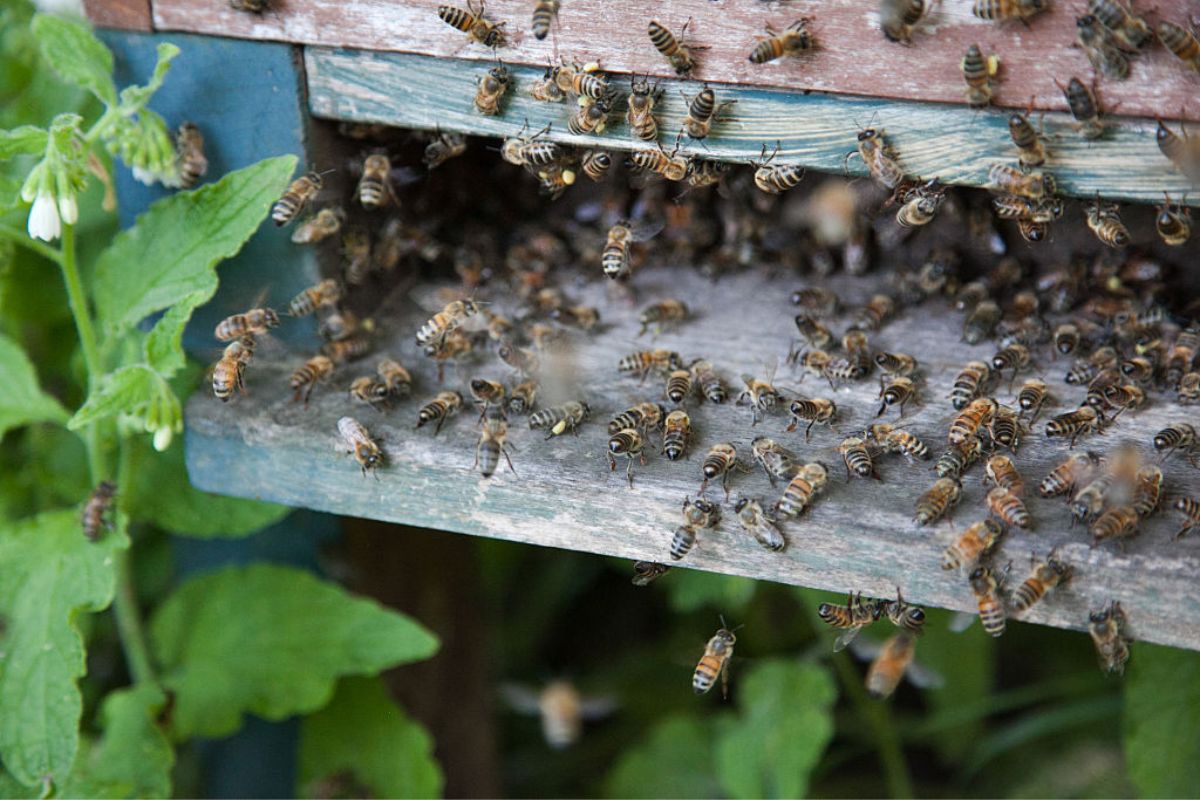
The first clue is often a steady stream of insects flying in and out of the same small opening. You might notice activity around roof eaves, air bricks, gaps in brickwork, a shed, a compost heap or a patch of lawn.
Not every cluster of flying insects is a nest though, and bees aren’t the only insects that build homes around houses.
Honeybees can gather in a large, rugby-ball-shaped cluster when swarming, usually on a tree branch, fence or other exposed spot. This happens temporarily while the colony searches for somewhere to settle.
Bumblebees tend to nest in sheltered spaces, including old mouse holes, compost heaps, bird boxes and roof cavities.
Solitary bees may nest in bare soil or small holes in masonry, often with several individual nests close together.
Wasps can also build nests in roof spaces, sheds and wall cavities – so it’s important to figure out what you’ve got before you start a treatment plan.
Tip: Take a photo from a safe distance to help with identification!
Should I leave a bee’s nest alone?
The Bumblebee Conservation Trust recommends leaving bumblebee nests undisturbed where possible. It says, ‘we generally recommend that nests are left alone and in place’.
The Trust explains that nests last only a few months and bumblebees are generally more interested in finding food than interacting with people. They’re unlikely to sting unless they feel threatened and they don’t chew through wood or cause structural damage to buildings.
The RHS offers similar advice, explaining that bumblebee nests should, wherever possible, be ‘left to naturally die out in the late summer or autumn’.
Solitary bees are generally harmless and are valuable pollinators. Although several may nest in the same patch of ground or section of masonry, they don’t form large social colonies in the same way as honeybees.
If you notice a nest in a busy entrance way or path where people are likely to disturb it, or if someone in your household is allergic to bee stings, then seek advice from a bee professional or pest company.
A honeybee colony established inside a building may also require specialist assessment, especially if it’s in a tricky space such as a chimney.
How do I get rid of a bee’s nest in my garden?
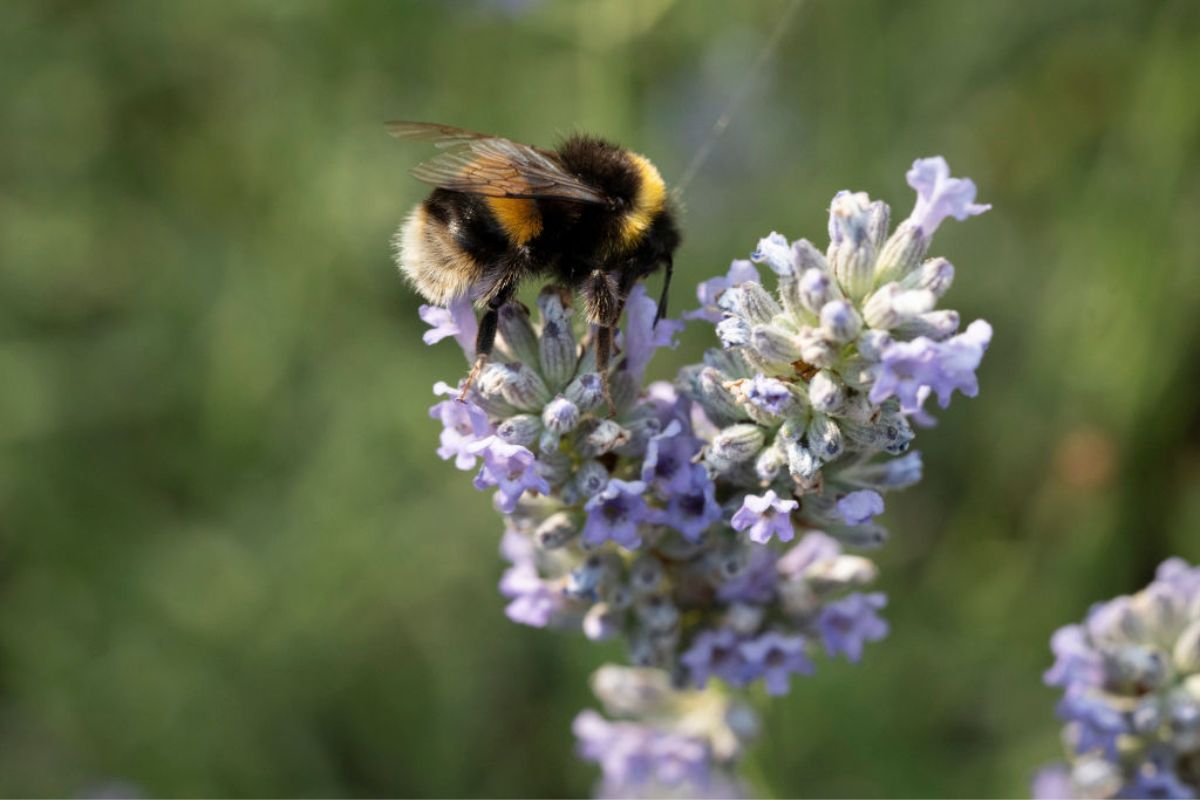
For bumblebees and solitary bees, leaving the nest alone is usually the best option. Their nesting periods are relatively short, and the insects will disperse naturally as their life cycle comes to an end (by winter, worker bees have died off and the queens have gone into hibernation).
If the nest is in a more public, higher traffic spot, try making the area less accessible to people, rather than disturbing the bees. The Bumblebee Conservation Trust suggests moving seating, keeping pets away and putting up a simple barrier that doesn’t block the nest entrance to the bees.
Important: You should never try to flood a nest with water (boiling or cold), attempt to dig it up, or poke it with a stick as these can harm bees and provoke defensive behaviour.
If you suspect you have a wasp’s nest rather than a bee’s nest, it’s best to contact a pest controller for advice, rather than attempting to remove it yourself.
Tip for gardens: The RHS advises that gardeners should avoid pesticides wherever possible and recommends non-chemical approaches to managing wildlife in the garden.
What should I do if a bee’s nest is in my house?
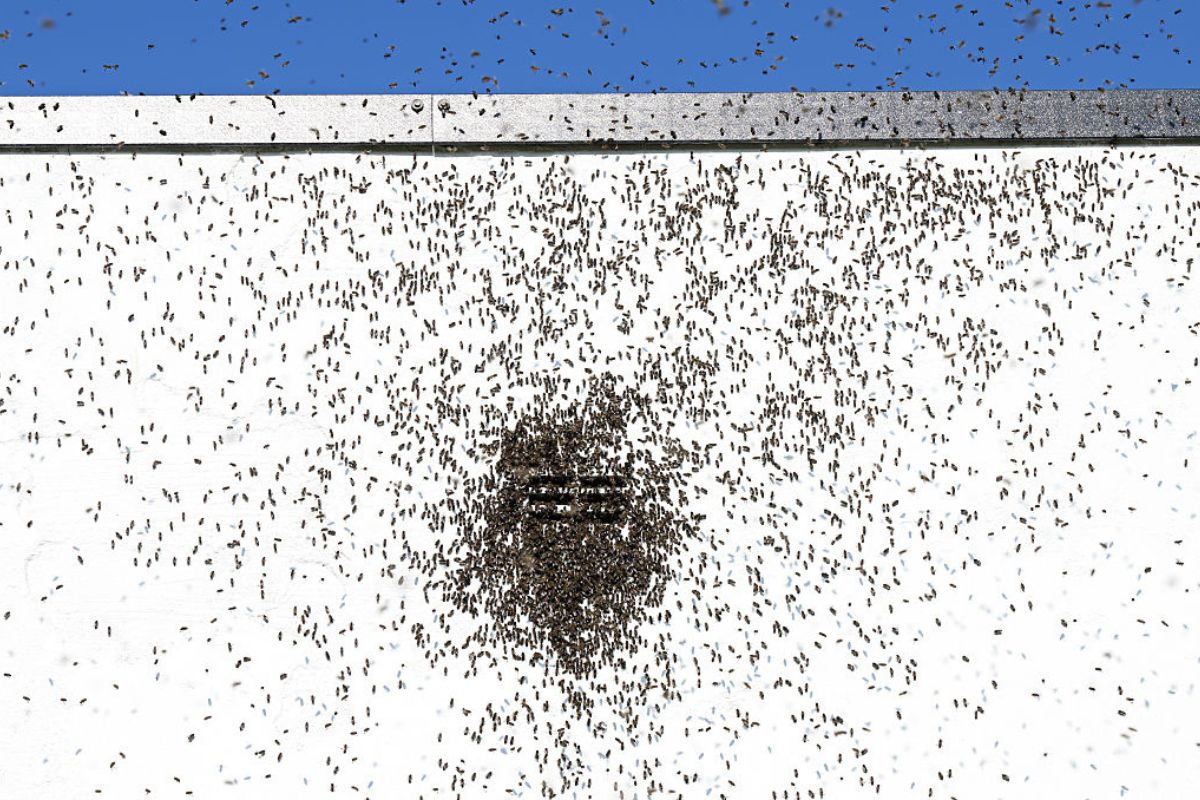
If you spot bees getting into your house through a gap in the roof, wall or chimney, the first thing to do is not panic! It’s obviously more concerning than a nest in your garden, but what to do depends on the species and whereabouts the colony is located.
If it’s a bumblebee nest: The Bumblebee Conservation Trust says, where possible, these nests are usually best left alone. Bumblebees don’t damage the structure of your home, and the colony will naturally die out or disperse towards the end of the season. Don’t block the entrance while the nest is active, as the bees may become trapped or find their way further into the building. The British Beekeeper’s Association (BBKA) also states that bumblebees should be allowed to finish nesting naturally.
If it’s a honeybee colony: Contact a local beekeeper or a specialist experienced in removing honeybee colonies from buildings. The BBKA advises there are beekeepers who collect swarms (check its website for a directory), but they may not be able to remove an established colony from a wall cavity or roof space, so you’d need to seek further advice from a pest control company. Specialist removal can include collecting bees together with their comb and honey, to prevent further problems. If comb and honey aren’t removed too, they can attract ants, wax moths and other insects to your house.
If you can’t identify the insects: Avoid disturbing the nest or sealing the opening. Seek advice from a professional pest expert first.
If bees are getting into a living area, keep internal doors closed where possible and avoid swatting at them. You can open an external window or door to provide a route outside, if it’s safe to do so.
Remember: If anyone is stung and develops breathing difficulties, swelling of the tongue or throat, or other signs of a severe allergic reaction, call 999 immediately.
Can I get rid of a bee’s nest naturally?
The good news is that most of the time you don’t need to remove a bee’s nest at all.
The most wildlife-friendly approach is to leave the colony undisturbed until it finishes nesting. Bumblebee nests are temporary, and the nest itself will gradually break down after the bees have left, while the queen will go off to hibernate elsewhere.
If you’d prefer not to have bees nesting in the same place next year, wait until you’re confident the nest is no longer active before blocking the entrance or repairing any gaps in the house or building. If you’re unsure whether a colony has finished, ask an expert for advice first.
It’s important to avoid trying any home remedies which may harm pollinators or encourage them to move deeper into a building. Instead, focus on prevention once the nest is empty. Repair gaps around rooflines and external walls, maintain buildings and check sheds and outbuildings for openings that could provide shelter for insects.
Will a bee’s nest go away on its own?
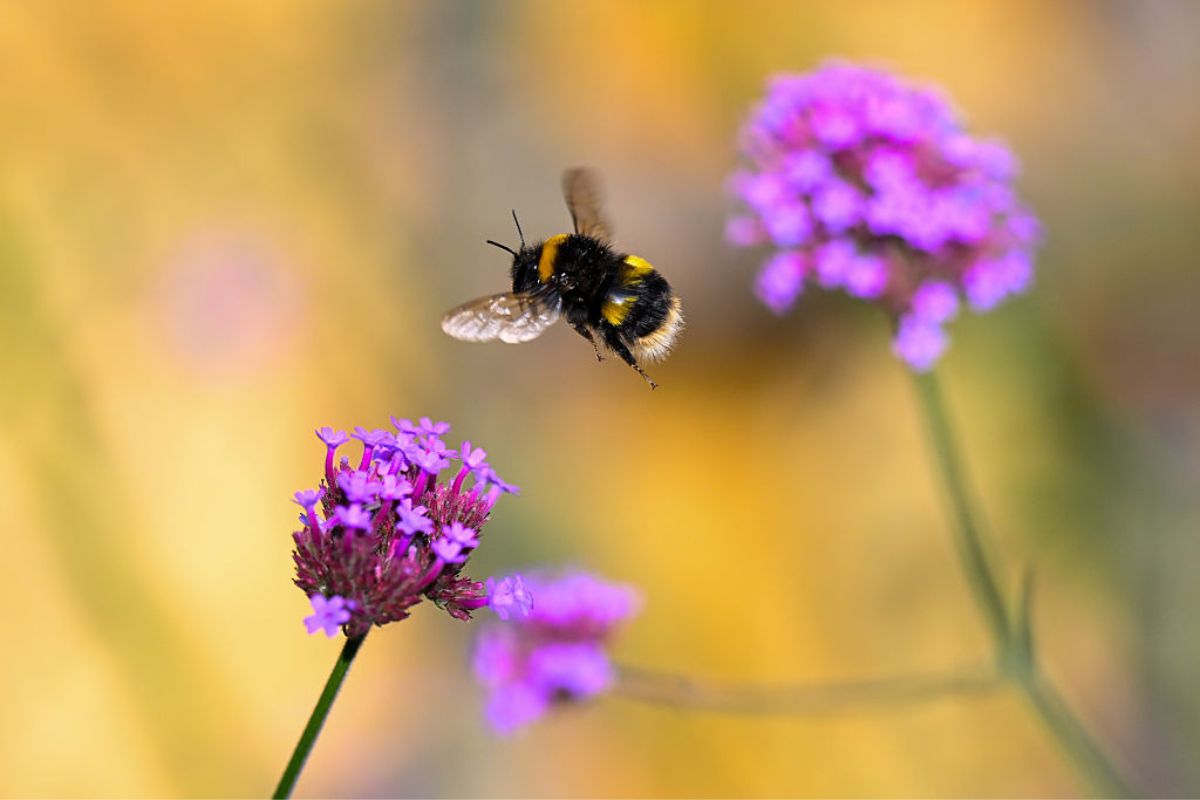
Bumblebee nests are short-lived, typically lasting between two and six months, depending on the species and conditions. As the colony reaches the end of its life cycle, activity gradually declines.
Honeybee colonies are different – an established honeybee colony can remain in a suitable cavity for much longer, so they may not disappear at the end of summer – it’s a case of watching and waiting.
Solitary bees are active for a shorter period, with many species appearing for only a few weeks. Their small nests may be used by individual bees rather than a single colony.
Tip: Always identify the insects before deciding to wait or arrange removal. The RHS and Bumblebee Conservation Trust have useful identification tips on their websites.
Who should I contact to remove a bee’s nest?
If you’ve found a swarm of honeybees gathered in the open, the BBKA has information to help you identify the insects and find a local swarm collector. Collection is often carried out by volunteer beekeepers in your area.
For an established honeybee colony inside a building, contact a specialist with experience in removing bees from roof spaces and wall cavities. Check they have insurance and if they can deal with the comb and honey, too.
The Bumblebee Conservation Trust advises leaving bumblebee nests in place wherever possible, while the BBKA can help you distinguish between honeybees, bumblebees and other insects.
If the nest turns out to be wasps, contact a pest control company if it’s causing a safety concern. Beekeepers, generally, don’t remove wasp nests.
How to make your home and garden bee-friendly
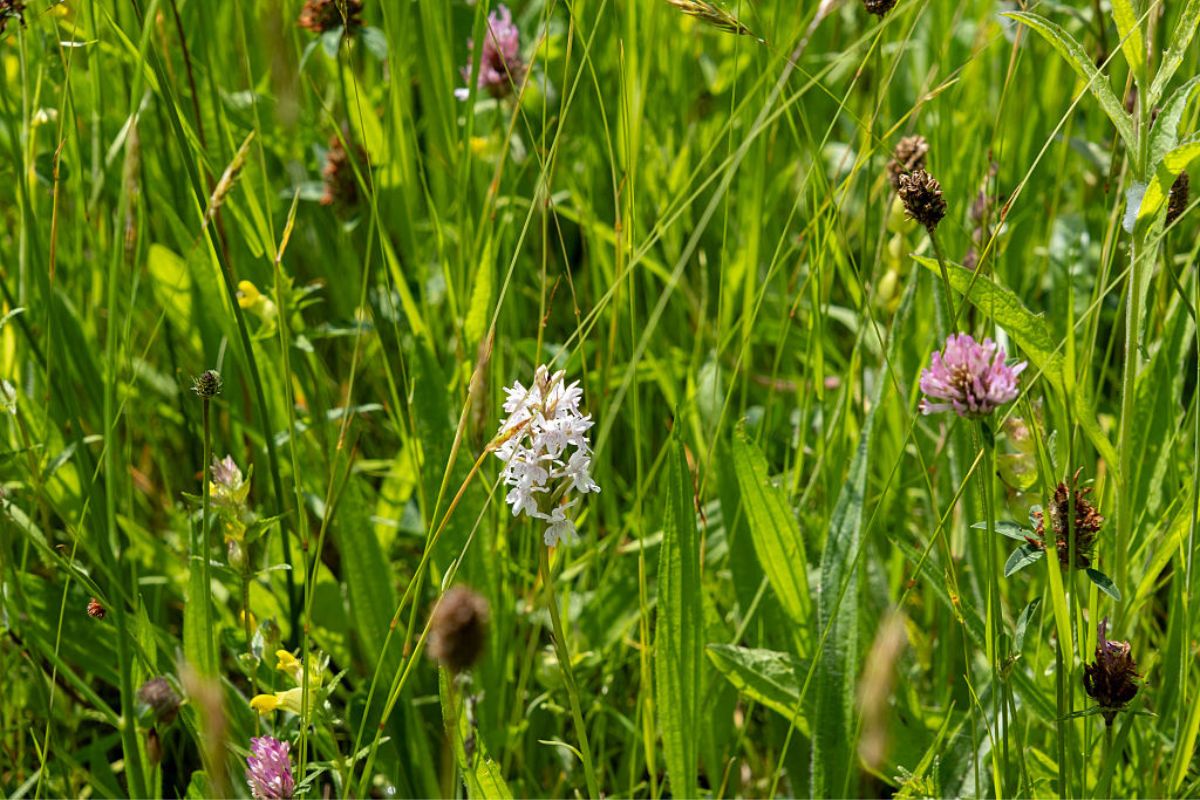
Want to see more bees buzzing around your garden? Try these simple tips to create a welcoming haven for pollinators:
- Plant bee-friendly flowers: Choose a mix of nectar- and pollen-rich plants that flower from early spring to autumn, giving bees a reliable source of food throughout their active periods.
- Avoid pesticides: Skip chemical sprays as these can harm bees and other beneficial insects.
- Create a wild space: Allow a small patch of lawn to grow longer, or leave a sunny area of bare soil for ground-nesting solitary bees.
- Provide fresh water: Put a shallow dish of water in the garden with pebbles or stones for bees to land on safely.
- Give nests some space: If you spot a bee’s nest in a quiet corner of your garden, consider leaving it undisturbed until the bees have finished nesting.
- Seal gaps at the right time: Once you’re certain a nest in your home or outbuilding is no longer active, repair suitable gaps and openings to discourage future nesting. If you’re unsure, seek expert advice first.
For more advice on helping bees, visit the Bumblebee Conservation Trust, the British Beekeeper's Association and the Royal Horticultural Society.
Enjoyed this? Read these!
