
Keeping on top of organising your home can be challenging, especially if you struggle with Attention Deficit Hyperactivity Disorder, otherwise known as ADHD. People with ADHD typically find it more difficult to organise and keep clutter at bay because an ADHD brain processes attention, motivation and executive function differently.
Dr Milli Raizada, a GP, hormone health expert and founder of drmilli.co.uk, explains more about the impact of ADHD. ‘The brain’s ability to prioritise tasks, switch focus and manage time is impaired, making it hard to start or finish tidying. Constant clutter and disorganisation can feel like personal failure, when it’s actually neurological. Emotional attachment to objects can also make letting go much more difficult.’
But this doesn’t mean there aren’t ways to work with ADHD and make these everyday tasks easier to manage. Sarah Barnard (above) is an interior designer who focuses on creating homes that support mental and physical wellbeing at sarahbarnard.com. Here, she gives her expert advice in seven simple steps...
How to declutter and keep your house tidy with ADHD
1. Strip back the number of objects you own
Paring back the number of objects within our home is an excellent first step towards decluttering a space, as it reduces visual noise and makes items easier to find. Paring back objects also provides an opportunity to carefully choose the pieces we surround ourselves with every day. Enlisting the services of an interior designer (or willing friend!) can take what may feel like an overwhelming situation and break it into smaller, more manageable tasks. Having the support of an experienced helper to sort through items, create custom design solutions for display and storage, and arrange for other items to be donated, helps to make the process more manageable.
2. Create specific areas to store frequently used items
Creating specific areas to store frequently used items – such as keys, phones, wallets and bags – significantly reduces stress and supports daily routines by making these items easy to find and less likely to get lost. Consider the most frequently travelled paths when deciding where to store regularly used items, such as keys and wallets. A small table at the entryway is an ideal place for many of these items. When arriving home, a ceramic bowl or vessel on this table can be used to store house keys, or a phone charging station may be located here, making these important items easily accessible.
3. Use visible storage
Incorporate tubs or wire baskets to help improve ‘object permanence’ (reducing ‘out of sight, out of mind’), by creating a direct visual reminder of where certain items are stored. Visible storage helps to create a supportive home environment that makes regular tidying and decluttering less overwhelming, as it is clear where items are located and stored, making it faster and easier to put them away.
4. Store similar items together
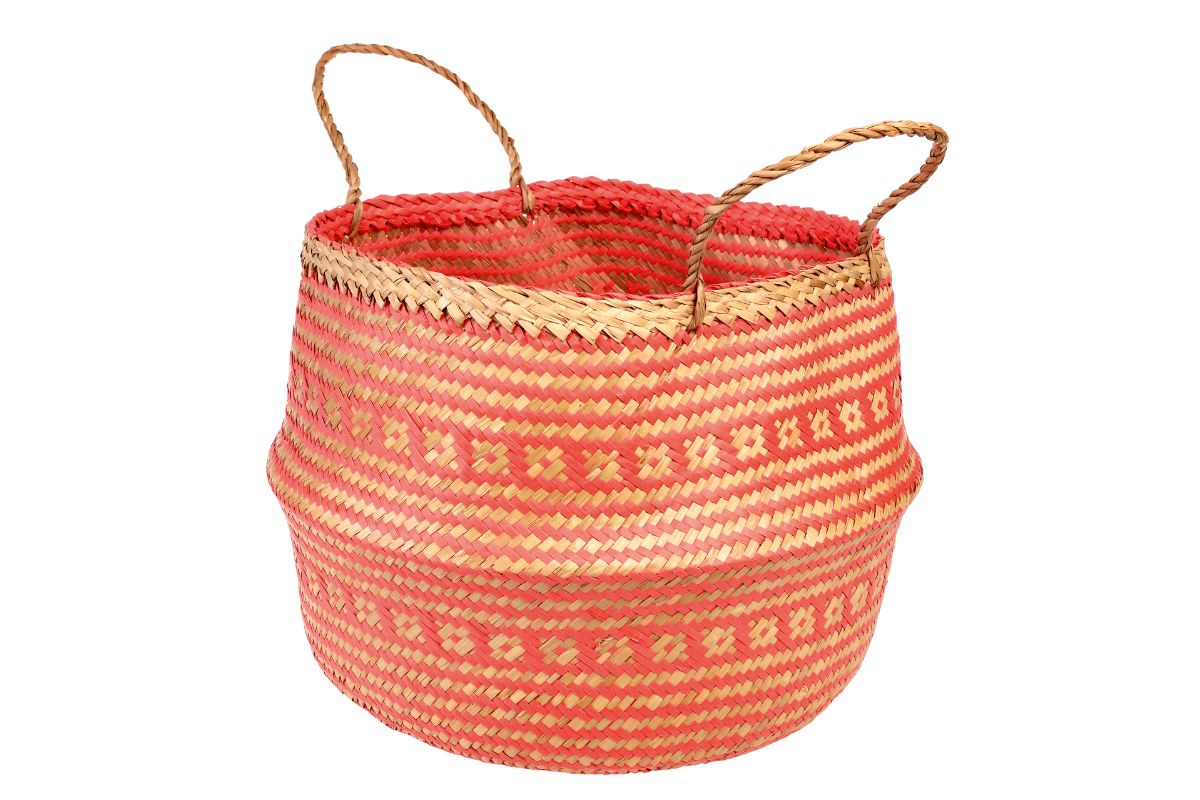
Store similar or related items together to improve order. For example, a dedicated pet-supply shelf inside the pantry, stocked with pet food, medicine, extra bowls and other related supplies, makes it easier to locate pet items when they are all together. A clearly marked box or bin can hold greetings cards, stamps and envelopes, making it easier to mail a card.
5. Use a neutral colour palette
Using a neutral colour palette can aid in decluttering a space, as it helps minimise visual noise to create a cohesive and harmonious home. Contemporary neutrals are not limited to grey, beige and white. A growing trend of nature-inspired neutrals incorporates biophilic design through earthy tones that emulate terracotta and rich brown, evoking a connection to the serene experience of spending time in nature.
6. Don't try and do it all at once
The task of decluttering can be overwhelming. Creating achievable routines is key in maintaining a decluttered home environment. By breaking up tasks into small, manageable sessions throughout the week, it becomes easier to maintain a tidy and uncluttered home.
7. Put short-term empty baskets in each room
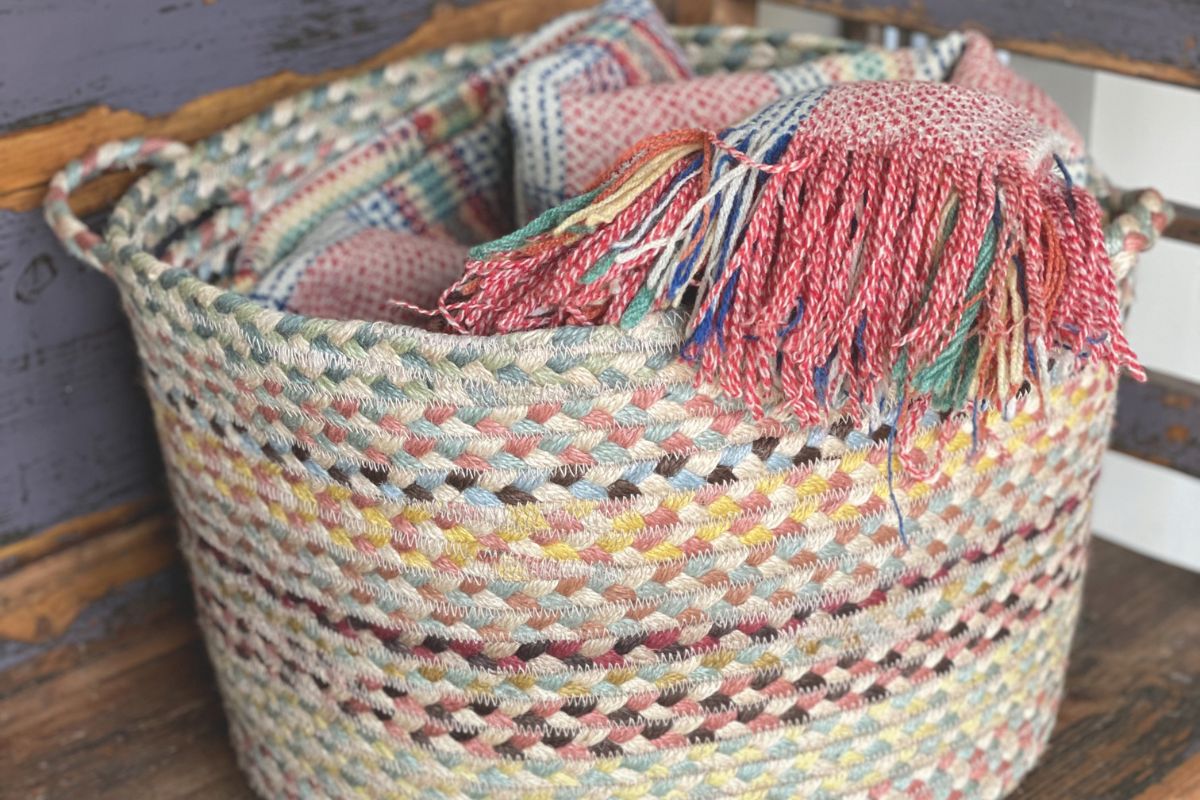
Consider keeping an empty storage basket in each room for a quick way to reduce visual clutter when feeling overwhelmed or short on time. These baskets allow clutter to be easily tidied up and out of sight for later sorting, making items quicker to find and relocate than if they had been scattered across the room in random locations.
Top image credit: Getty Images
