
As temperatures plummet, rats and mice will head indoors in search of warmth and food. We’ve gathered together some of the UK’s leading pest experts to share their practical rodent-proofing hacks to keep rats and mice out of our homes and gardens.
Plus, they’ve shared the early warning signs every homeowner should look out for, so you can act accordingly if they’ve already moved in.
How to stop rats nesting in your garden
The best way to keep rats out of your garden is to remove any enticing food sources or warm and hospitable housing spots.
If you have bird feeders, clean around them every day to ensure no seeds have been dropped. Keep any bird feed, plant seeds, bulbs and pet food in sealed metal containers, which rats won't be able to get into.
Make sure all compost is kept in enclosed, rat-proof bins with tight lids, and avoid adding anything rats may be particularly drawn to, such as cooked food, meat or dairy products. If you have fruit trees, pick up fallen fruit as soon as possible.
Plus, eliminate any water sources in your garden, such as dripping outdoor taps or water-collecting pots or buckets.
What are the best pest control options for dealing with rats and mice?
‘Mice are a public health pest, carrying dirt and bacteria, then transferring it to countertops, cabinets and anywhere they travel. They breed rapidly, so an infestation needs dealing with swiftly,' says Natalie Bungay, technical manager at BPCA, providing technical support to members, writing best practice documents and delivering training.
'Prevention is better than cure, so keeping your home clean and tidy, emptying bins regularly and wiping up food spills immediately are key to ensuring you don’t attract mice. Simple steps such as plugging gaps around windows, doors, exterior cables or pipework with wire wool and quick-drying cement can also be effective.
If rats and mice do get in, we recommend contacting a professional pest controller with the knowledge needed to solve the problem quickly. British Pest Control Association (BPCA) members have access to products not available to the public and will use an Integrated Pest Management strategy to monitor rodent activity, allowing them to identify and remove attractants such as food sources and shelter.'
BPCA members are trained and qualified professionals who are endorsed by the Government’s TrustMark scheme. To find a BPCA member near you, visit bpca.org.uk/find.
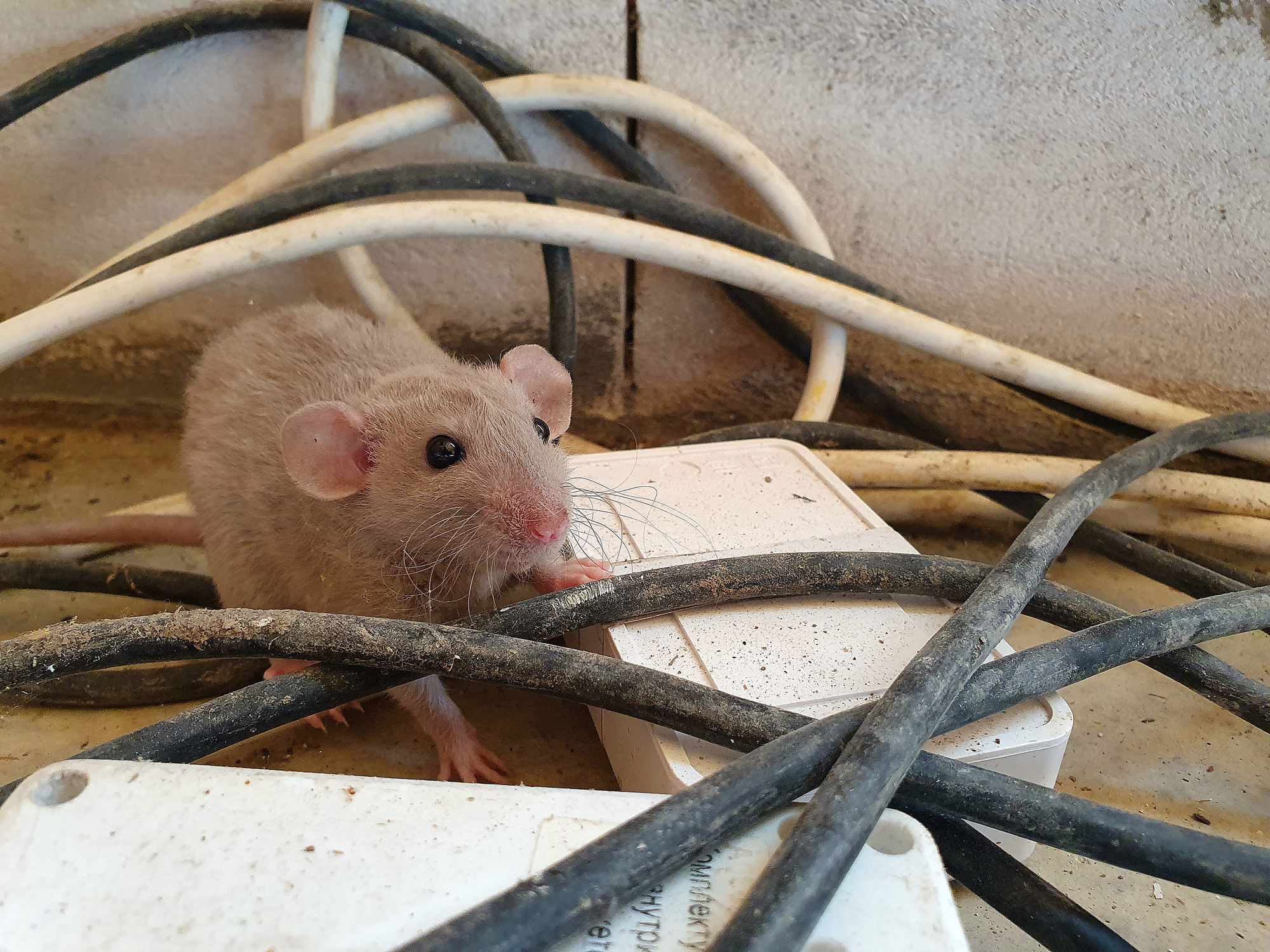
Can you get sick if rats get in the house?
‘While the risk of illness from rats in your home is generally low, they are known to carry a variety of health issues including bacteria, viruses, protozoa and worms, and can spread diseases indirectly via fleas, ticks, lice, and mites that may infest them,' says Paul Blackhurst, head of technical academy at Rentokil Pest Control, and an expert in household pests.
How to stop rats from coming into your home
'Rats thrive in warm, sheltered environments with easy access to food, so make sure to seal any gaps, holes, or cracks in exterior doors and walls, ensure drains are well-maintained, and secure outdoor bins with tightly fitting lids,' says Paul Blackhurst from Rentokil Pest Control.
'Rats are good climbers and will happily inhabit loft spaces, so keep your roof in good condition and your loft decluttered, using plastic or metal storage boxes instead of cardboard. Ensure foodstuffs are stored in airtight containers, keep areas under sinks and appliances clean and dry, and empty bins regularly, keeping the surrounding area as clear and clean as possible.
Signs of an infestation include droppings (dark, tapered and about 10-14mm long), an ammonia-like smell, gnaw marks and the appearance of nesting material such as shredded paper. It’s important to act quickly should you spot any of these signs.'
Rentokil are BPCA certified and offer a range of pest control services, visit rentokil.co.uk for more information.
Read more
- No more eight-legged houseguests! 9 easy ways to keep spiders out of your house
- How to stop cats pooping in your garden: 8 humane ways to stop cats using your garden as a toilet
- How to get rid of clothes moths and protect your wardrobe
Top image credit: Getty
