
With energy prices in Great Britain due to rise by 26% from January 2027 following Ofgem’s announcement of the new energy price cap, finding ways to cut energy waste feels more important than ever. Making your home more efficient doesn’t have to mean expensive upgrades or a major renovation. ‘Many homes are losing heat and wasting energy in ways people don’t even notice,’ says Georgina Burnett. ‘The good news is that most fixes are simple, affordable and can be tackled in a single afternoon.’ From adjusting your heating routine to stopping warm air escaping through tiny gaps, here are the common mistakes to look out for – and the easy fixes to help you stay cosy while using less energy.
1. Leaving your heating on when you don’t need it
Keeping the heating on all day may seem like the easiest way to stay warm, but it often wastes energy, especially when no one is home. ‘It's one of the most common mistakes people make,’ says Georgina. ‘Many of us leave the heating ticking over all day because we think it takes more energy to warm the house up from cold. In reality, unless your home is particularly difficult to heat, you're usually just wasting energy heating rooms that nobody is using.’ Instead, programme your heating to come on shortly before you wake up or return home, rather than running all day, Georgina suggests. ‘You won't notice the difference in comfort, but you almost certainly will on your energy bill.’
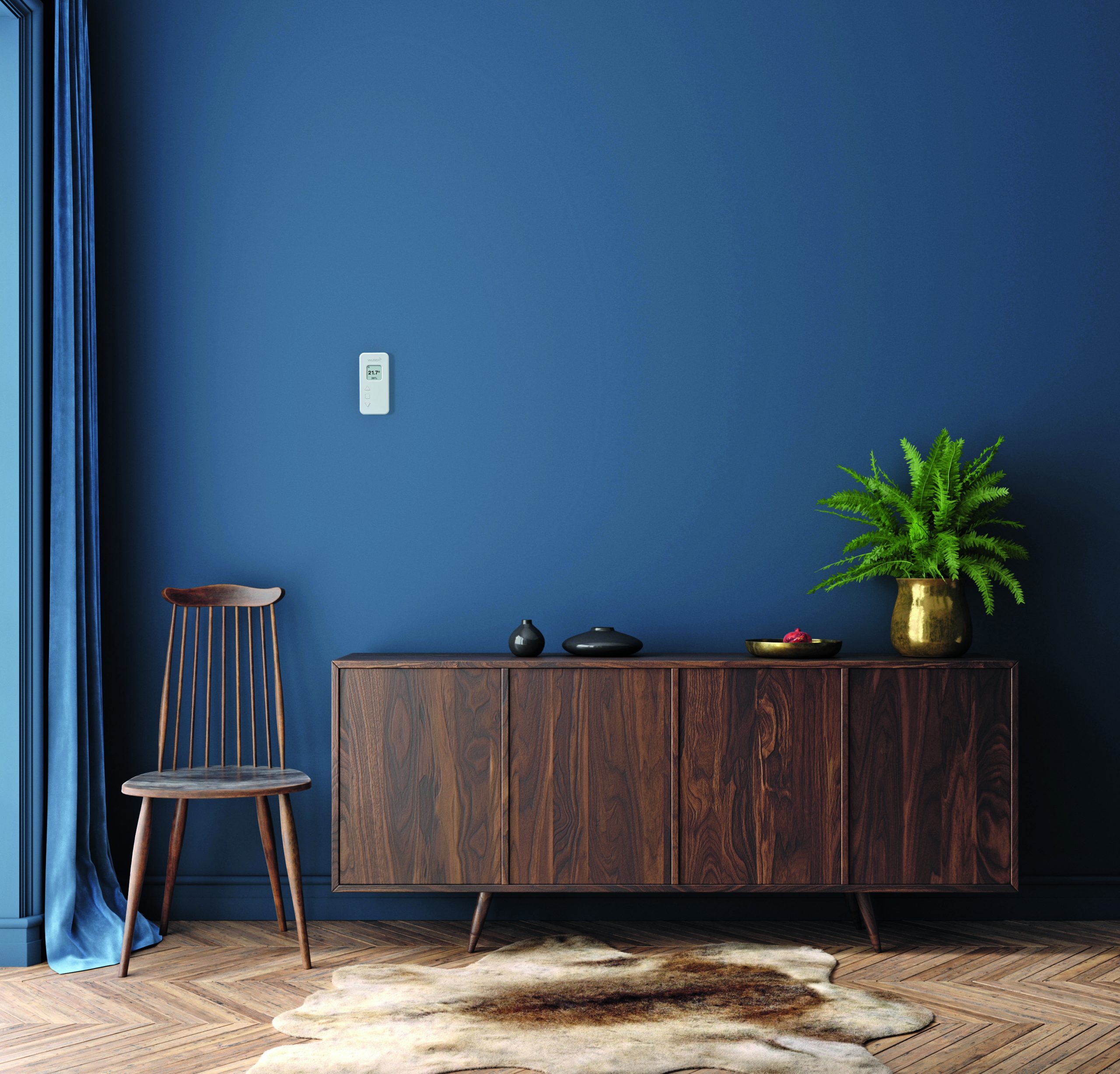
TOP TIP: Zone your heating
Take control, room by room, with thermostatic radiator valves (TRVs). These allow you to lower the temperature in spaces you rarely use – reducing your energy use – while keeping your main living areas comfortable.
2. Blocking radiators with furniture
‘It's amazing how often I see radiators hidden behind sofas, armchairs or oversized furniture,’ says Georgina. ‘We tend to arrange a room around how it looks, forgetting how it actually functions.’ Unfortunately, if a radiator is blocked, much of the heat gets trapped behind the furniture instead of circulating around the room, meaning your heating has to work harder for longer. To fix this, move furniture away where possible and tuck curtains behind radiators while the heating is on, to improve airflow and efficiency. ‘Even pulling furniture a few inches away from the radiator can improve airflow significantly,’ Georgina adds. ‘It's one of those completely free fixes that can make your heating system noticeably more efficient.’
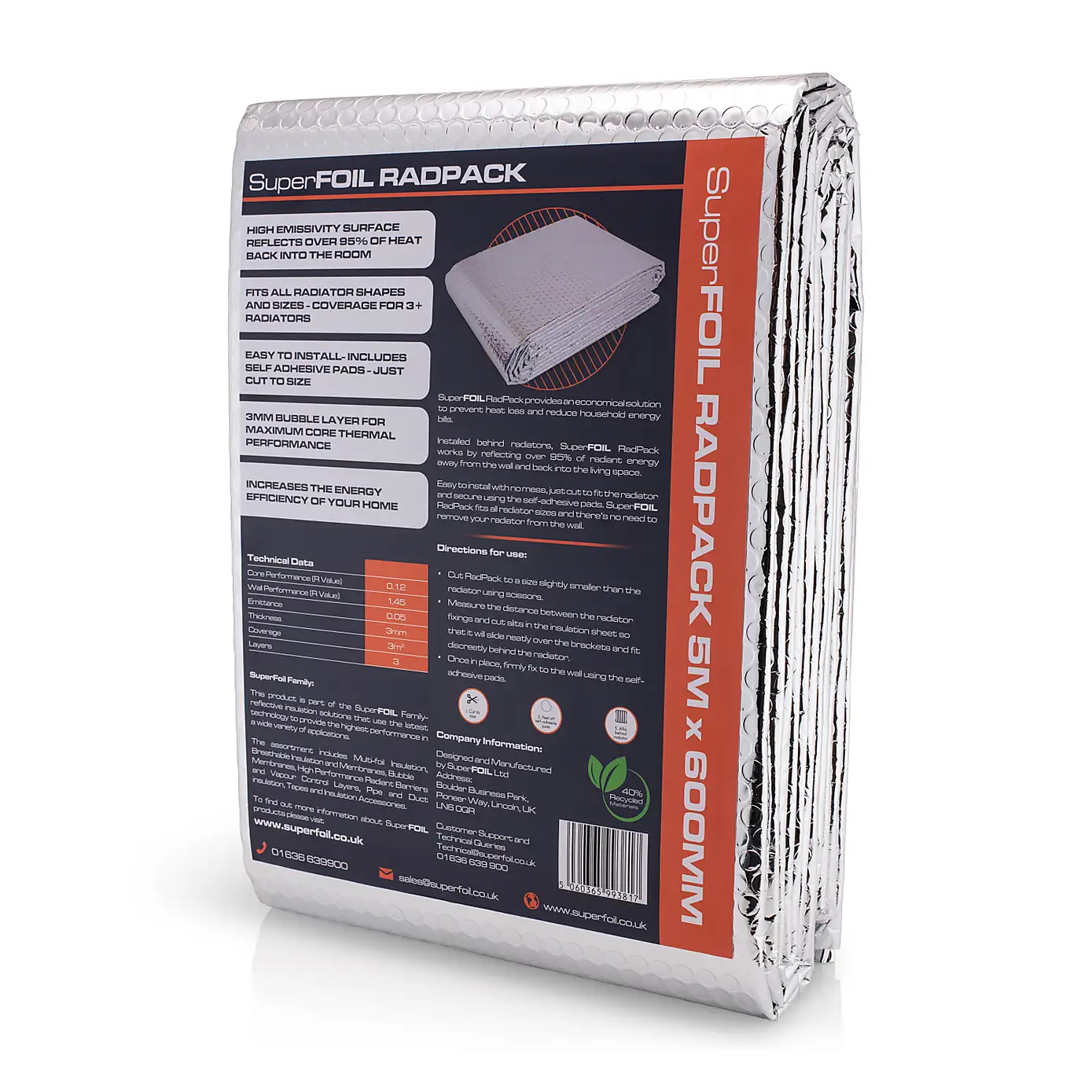
TOP TIP: Add radiator reflectors
Radiator reflector panels sit behind radiators and help reduce heat escaping through external walls. They’re inexpensive, easy to install, and particularly useful for radiators fixed to colder outside walls.
3. Letting warm air escape through tiny gaps
‘It's easy to focus on expensive upgrades like new windows, but some of the biggest culprits are the tiny gaps we barely notice,’ says Georgina. We’re talking about those small draughts around windows, doors, letterboxes, floorboards, loft hatches and pipework, all of which allow precious warm air to escape, while inviting cold air back in. ‘Individually they seem insignificant, but together they can make your home feel permanently chilly, and make your heating have to work harder.’ Luckily, this is an easy and relatively inexpensive problem to fix, she adds: ‘A few pounds spent on draught excluders, adhesive seals or brush strips can make a remarkable difference. It's far cheaper to keep the heat you've already paid for than constantly generate more.’ Choose a windy day to check for draughts and seal them up pronto – this is a quick weekend job that pays for itself surprisingly quickly!
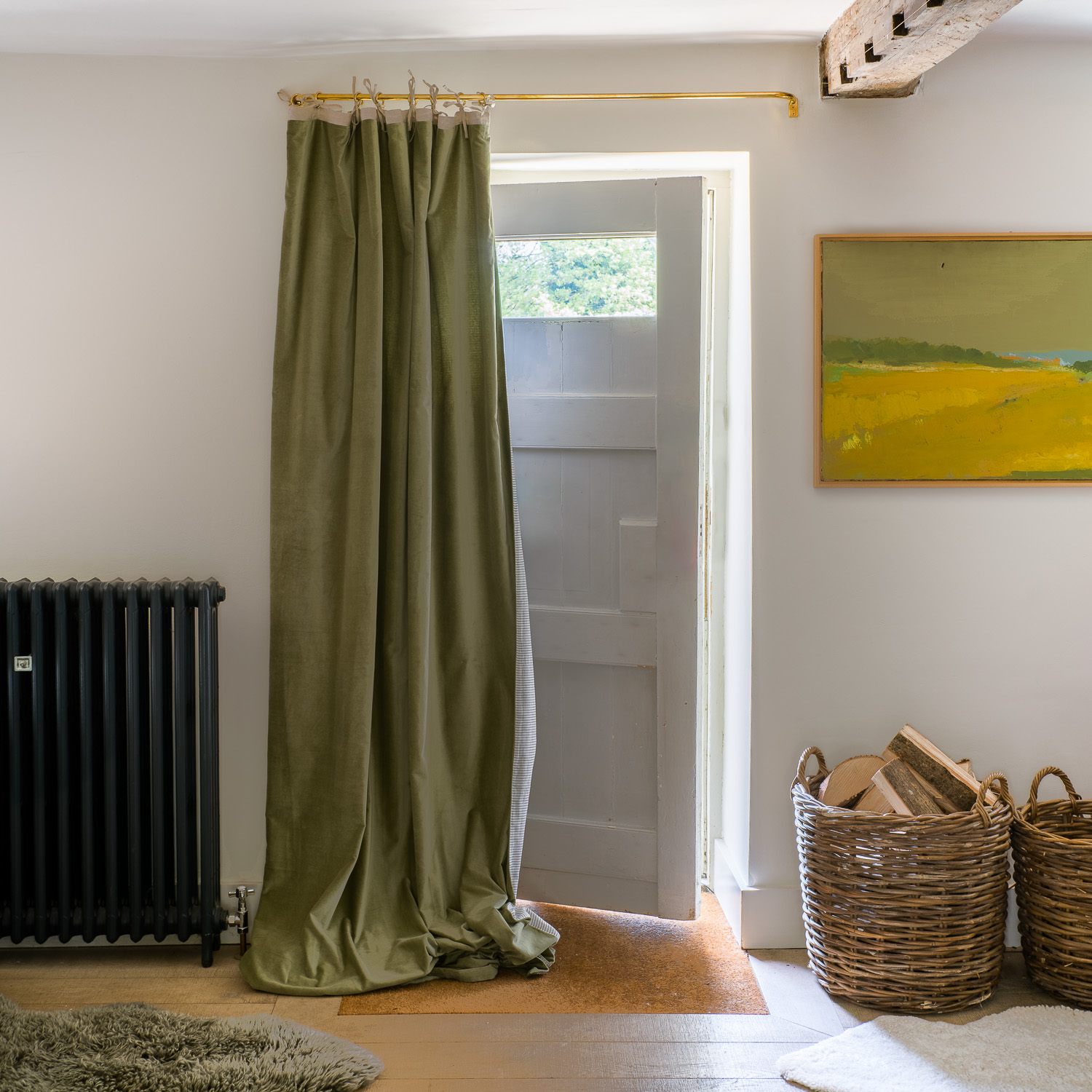
TOP TIP: Insulate your curtains
Thermal curtains or curtain liners create an extra barrier against cold windows, while closing curtains at dusk helps trap heat inside, especially in older properties with single glazing.
4. Running appliances at peak times
Although modern appliances are increasingly efficient, using several energy-hungry machines at once can increase your household’s demand. Some energy tariffs also charge more during peak periods, making timing an important factor. ‘We’re all guilty of putting the dishwasher on straight after dinner, or doing a load of washing as soon as the basket is full, but if you’re on a time-of-use tariff, when you use electricity can be almost as important as how much you use,’says Georgina.‘It's worth checking your energy tariff, because many people don’t actually know whether they’re paying different rates throughout the day,’ she adds. If you’re on a time-of-use tariff, try to run appliances during cheaper, off-peak periods. It’s one of those effortless changes that quietly saves money, week after week.
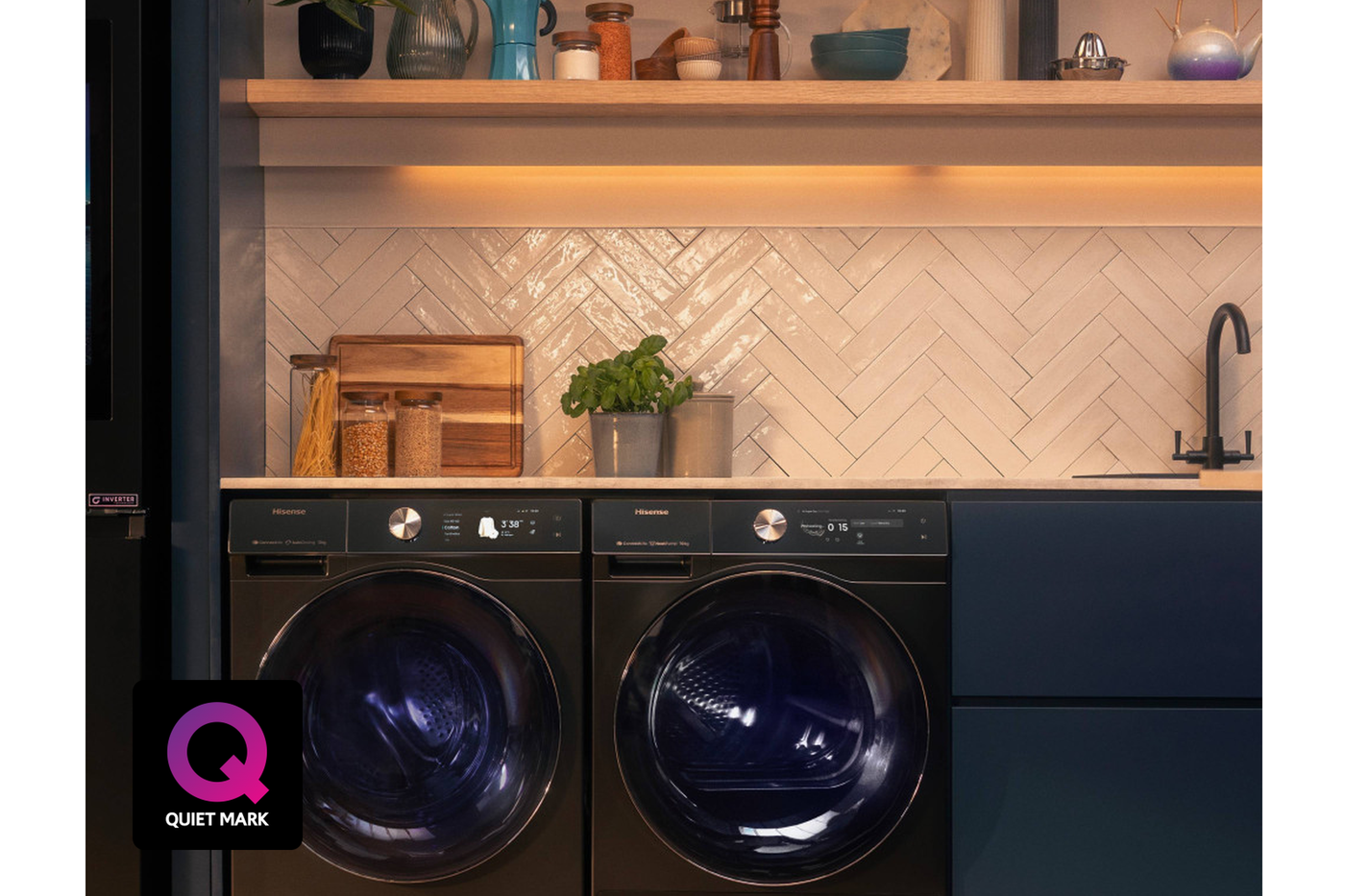
TOP TIP: Use eco settings
Many appliances have energy-saving modes that use less water and electricity. They may take longer to complete a cycle, but they often consume significantly less energy.
5. Forgetting to bleed radiators
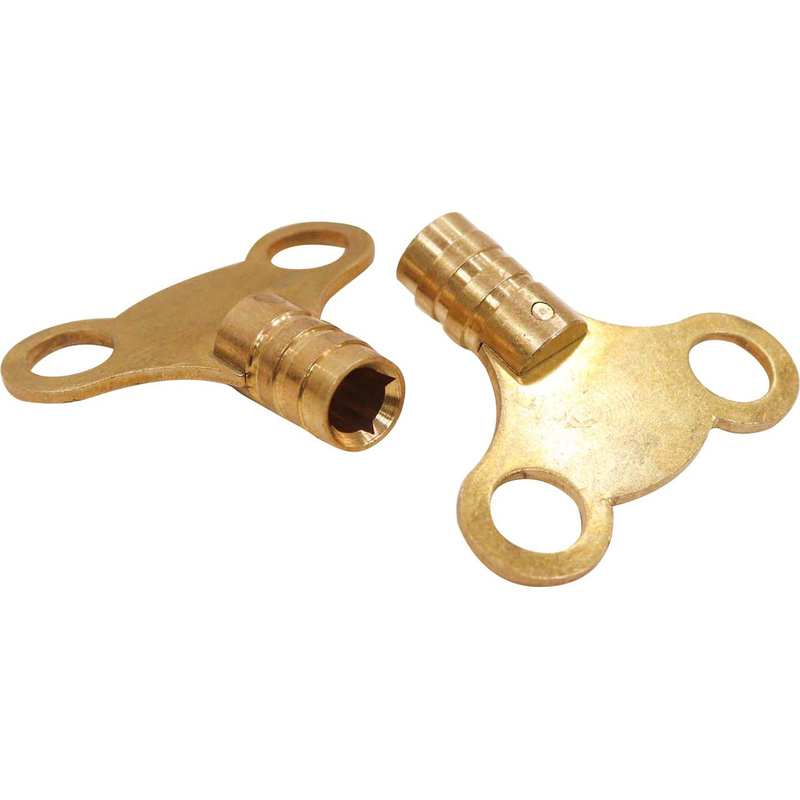
If your radiator feels cold at the top but warm at the bottom, trapped air could be preventing it from heating your home properly – your boiler will be using more energy to warm your home, while actually delivering less heat. Bleeding a radiator releases the trapped air and allows hot water to circulate properly. ‘Bleeding radiators tends to sit firmly in the “I’ll do it later” category of household jobs, but neglecting it means your heating system simply isn’t working as efficiently as it could,’ Georgina says. Luckily, it’s a quick job requiring only a radiator key and a cloth to catch any water. ‘A radiator key costs very little, the whole process takes just a couple of minutes, and doing it before winter arrives can make a real difference to how quickly your home heats up,’ adds Georgina.
TOP TIP: Balance your radiators
If some rooms heat up more quickly than others, your system may need balancing. Adjusting the radiator valves helps distribute heat more evenly, so your boiler isn’t working unnecessarily hard.
6. Relying on the tumble dryer
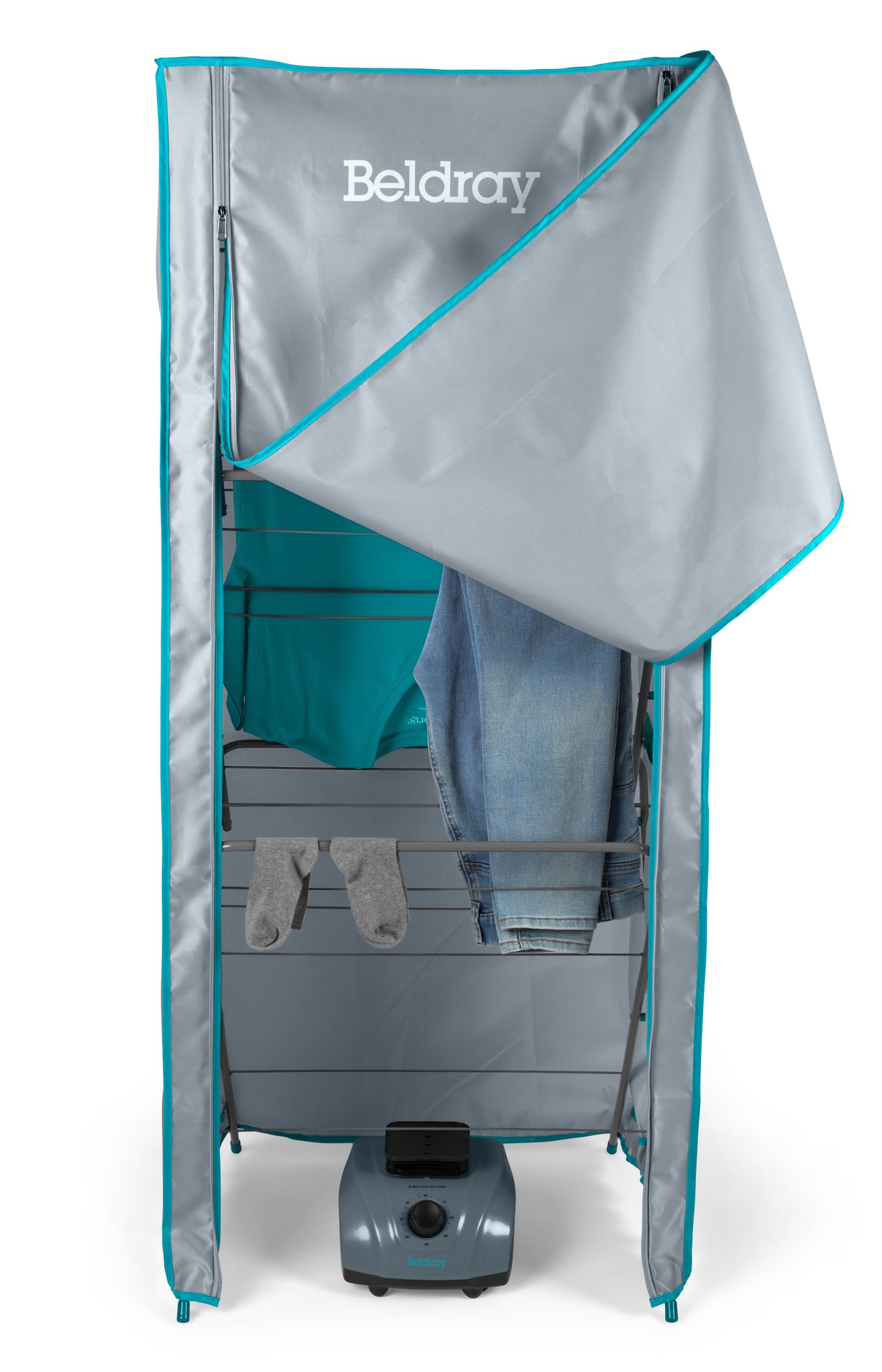
Tumble dryers are among the most energy-intensive appliances in the home, and using one regularly – particularly for small loads – can quickly increase electricity usage. ‘I completely understand the temptation of the tumble dryer, especially during a British winter, but it’s one of the biggest energy users in most homes. It’s incredibly convenient, which is exactly why so many of us fall into the habit of using it for every load, without really thinking about the cost,’ says Georgina, who recommends making the most of natural drying whenever you can. ‘Dry clothes outside or use an indoor airer – a heated one if possible – in a well-ventilated room. If you do need the tumble dryer, make sure clothes have had a good, fast spin first.’
TOP TIP: Maintain your dryer
A clean filter improves airflow, shortens drying times and uses less electricity. Clean your tumble dryer filter regularly to make sure it isn’t clogged and wasting energy.
Little fixes, big savings
Cutting your energy bills doesn’t have to mean making big, expensive changes. In fact, tackling a few small sources of wasted energy – from blocked radiators and draughty windows to inefficient appliance use – can quickly make your home feel warmer while helping you use less energy. It’s a win win. ‘Sometimes, it’s the smallest habits that can make the biggest difference to your bills,’ says Georgina. So, why not spend an afternoon checking for these common energy-wasting mistakes around your home? With a few simple tweaks, you’ll be well on your way to a cosy winter and a little more money in the pot.
Georgina Burnett is a TV presenter, celebrity home stylist and home coach who regularly appears on ITV’s This Morning and Love Your Weekend with Alan Titchmarsh. Through her blog The Home Genie and her book The Street-wise Guide to Buying, Improving and Selling Your Home, she champions sustainable, affordable design and helps people create homes that support their wellbeing. Georgina is also a proud ambassador for DIY Toolshare, a community-powered platform that lets people borrow, lend and hire DIY tools locally, saving money, reducing waste and making home improvement more accessible
Read more:
