
Most power cuts are over in a few hours, but severe storms, natural emergencies or damaged electrical infrastructure can leave homes without electricity for days. When your grid goes down, supply can be disrupted for some time depending on your location, the extent of the damage and the availability of repair crews.
Without power, everyday essentials like heating, lighting, cooking appliances and internet access disappear fast. Taking a few practical steps ahead of time will ensure your household stays safe, warm and connected until the lights come back on.
How to prepare your house for a power cut
1. Make sure you are well stocked with food and water
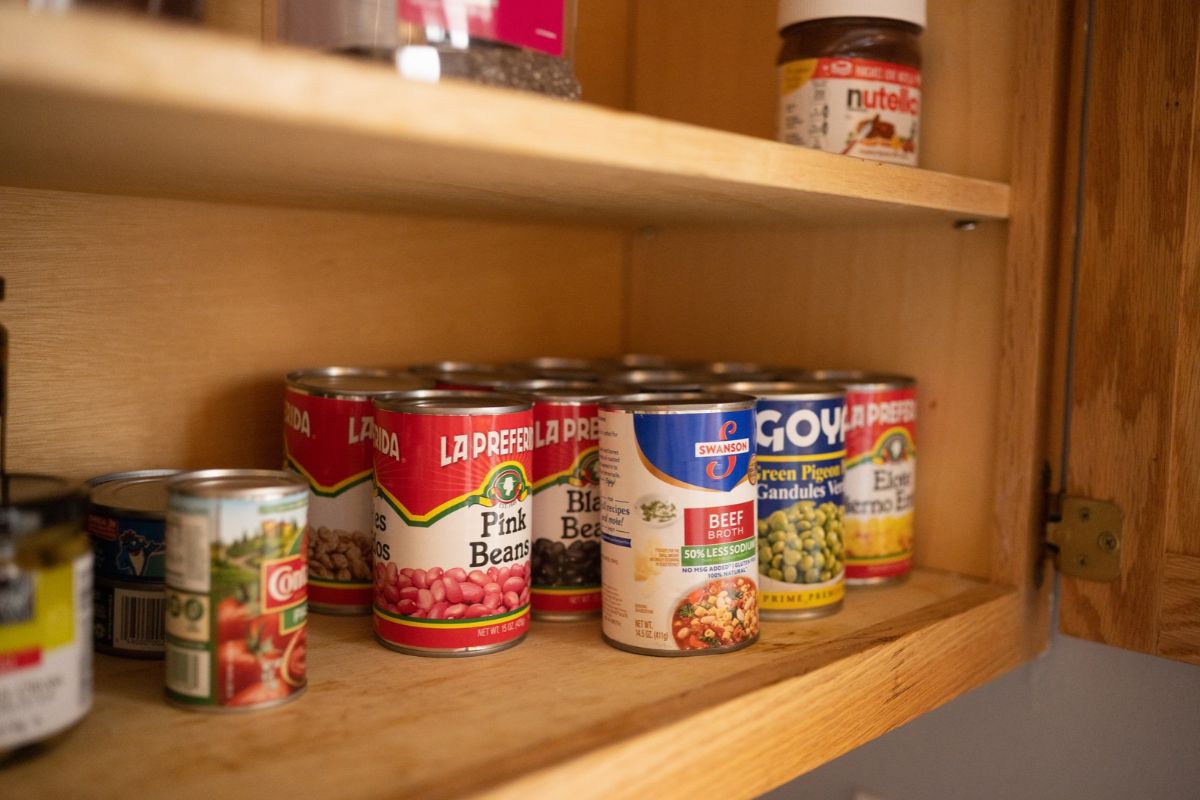
Each person requires three litres of drinking water per day, with additional water for basic cooking and washing. For food, focus on items with a long shelf life that require no refrigeration or cooking, as your fridges, microwaves and ovens will likely be out of action during a blackout. Prioritise calorie- and nutrient-dense food options, including tinned meats, fish, vegetables and fruit, and dried fruits, nuts and high-energy snacks.
To conserve energy, store food that’s quick to cook on a camping stove or back-up burner, such as pasta, rice, couscous or tinned soups.
Keeping fridge and freezer doors closed helps retain refrigerated temperatures, but a full freezer will only keep food safe for up to 48 hours if unopened, while a half-full freezer will keep food safe for up to 24 hours.
2. Build a kit of emergency supplies
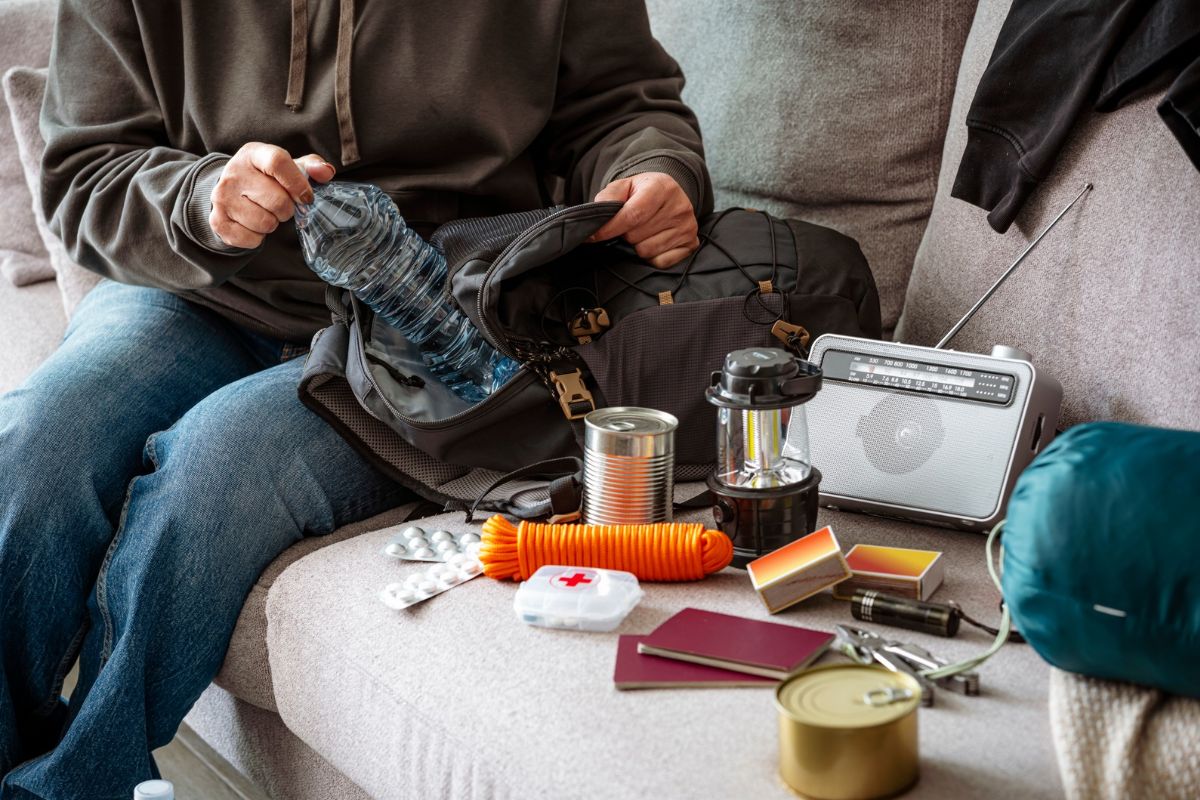
As well as food and water, don’t forget to keep torches, spare batteries, a first-aid kit, medications and hygiene products. It’s worth keeping cash and copies of emergency documents somewhere safe too, as well as a written list of emergency contacts or anything else you may only have stored on devices or phones, which may run out of power during an outage.
Find out what should go in your essential blackout kit here.
3. Keep warm clothing and blankets close to hand

If heating goes off during an outage, your home can quickly become cold. Make sure you have blankets and warm clothing easily accessible, or consider a wearable sleeping bag or fleece blanket to pull on over your clothes.
4. Identify your most important devices
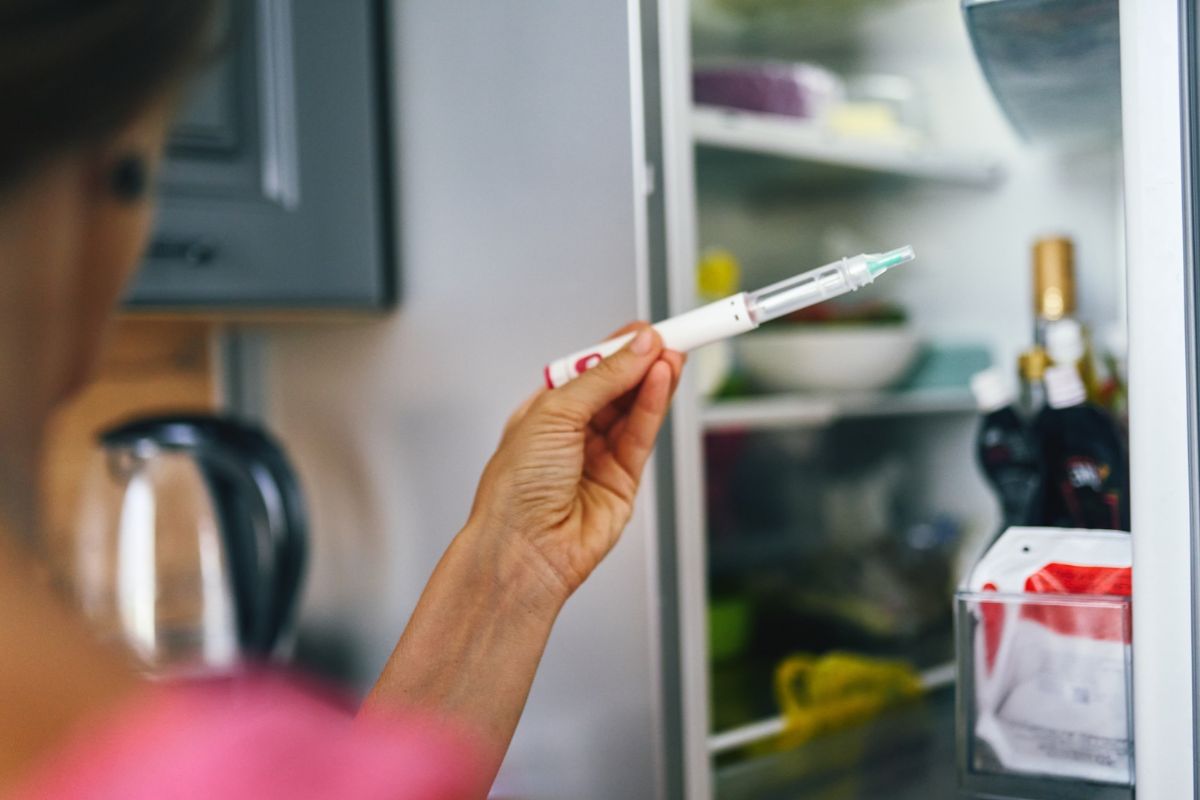
Before you decide which emergency power sources to invest in, you first need to assess which essential items in your home need power. If you have medical supplies, equipment or refrigeration, for example, you’re likely to need a larger back-up power supply.
5. Line up back-up power sources
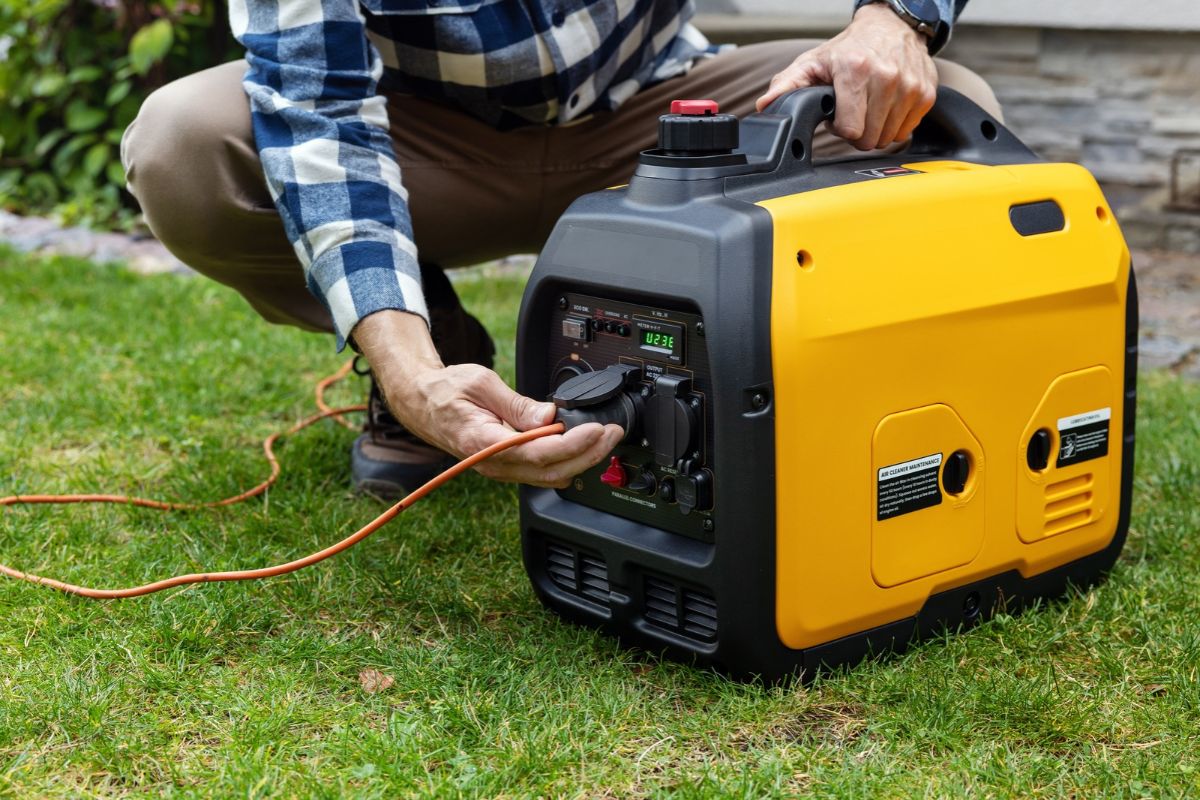
A portable battery pack can charge your phone a few times, but isn’t going to provide enough power to cook. A portable power station with additional solar panels could be worth the investment.
Alternatively, look at the energy you already have within your home – your car! A car inverter lets you run small household electronics directly from your vehicle. Remember to connect the inverter directly to the car battery, rather than the accessory jack inside the car, which supplies only a tiny fraction of its potential power. The car must be running, so you don’t drain its battery, and it must be parked outside or in a well-ventilated area to prevent carbon monoxide poisoning.
6. Back up your back-ups
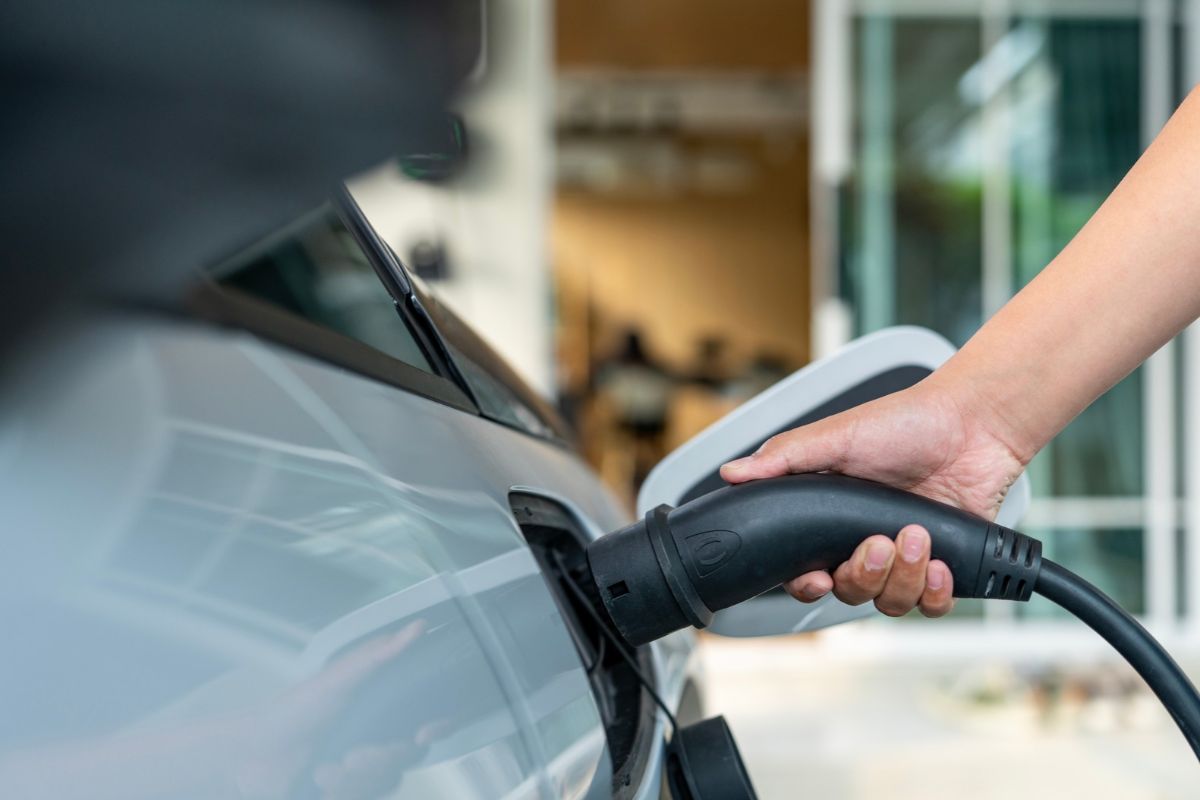
While three-day blackouts are rare, they may well become more common. A whole-house battery or an electric vehicle that can double as a power station is a major investment, but worth considering in the longer term. If you charge your EV at home with a bidirectional charger, you can sell power back to the grid when demand is high, or use it to run individual appliances or send electricity back into your home’s electrical circuits.
Remember to test all your back-up plans in advance.
7. Invest in energy-efficient appliances for cooking
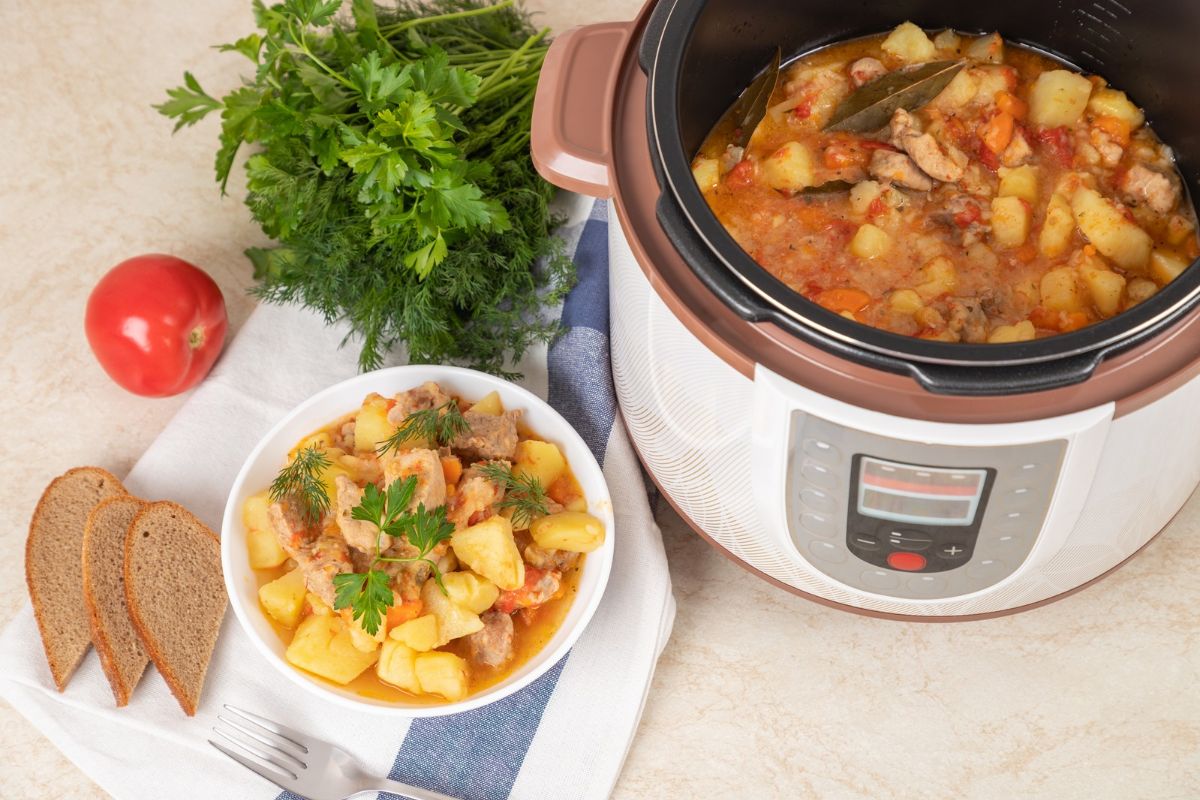
An induction burner is much more energy-efficient than gas or electric hobs, so could be invaluable during a power cut when resources are limited. If you have a portable power station, an induction burner, Instant Pot or small air fryer uses far less electricity than a traditional oven. If you don’t have back-up power, keep a small gas camping stove on hand instead (for outdoor use only).
8. If you’re eligible to be on the Priority Services Register, sign up now

If you are of State Pension age, have a disability or long-term health condition, are pregnant, or have young children, you may be eligible for the free Priority Services Register. It helps energy companies identify customers who may need extra support during a power cut or other such emergency. Join at thepsr.co.uk or register through your local electricity network operator.
9. Make plans with friends, family and neighbours

Discuss a communication plan, including where to meet if you can’t contact each other by phone. If someone in your family or neighbourhood requires specific provisions or medical equipment, establish a contingency plan.
10. Make sure you have access to information during a blackout

If your internet cuts out, you’ll need to rely on a battery-powered or wind-up FM radio to stay updated on local news and emergency alerts. Write yourself a note of the frequencies of your local radio stations ahead of time.
Top image credit: Getty
