
It’s official. Damp and mould are getting worse in our homes. With a large percentage of UK houses built without modern insulation, they’re struggling to cope with the increasingly fluctuating weather patterns hitting us year after year. Rising average temperatures, higher humidity and more frequent, intense rainfall are all meaning that ambient moisture levels in our homes are greater than ever – and our homes simply aren’t equipped to cope. Plus, we’re less inclined to put the heating on, thanks to the cost-of-living crisis affecting our household budgets and the rise in energy costs in recent years.
But this simple, 10-minute trick might provide an answer. Why not try “Lüften”, the German method for replacing stale, humid air with fresh, drier air from outside?
What is the German practice of house burping or lüften?
Germans have been practising the technique of “house burping” for generations. In German, it’s known as lüften or Stoßlüften, translating as “ventilation” or “shock ventilation”.
During winter, it’s tempting to keep your house shut up, with windows closed at all times to store the heat, but the German practice of lüften encourages residents to replace the stale indoor air with fresh outdoor air to help with ventilation during a time in which many houses suffer from condensation and damp.
There’s no reason we shouldn’t be able to adopt the German practice of Stoßlüften in the UK.
How does house burping work?
The timings will depend on the season, but the recommendation for house burping is to open your home’s windows wide – ideally on opposite sides of your home, to allow a through-breeze– for five or ten minutes, once or twice a day, even in winter.
During winter, it’s tempting to keep your house shut up, with the windows closed at all times to keep in the heat. But opening windows once a day for up to 10 minutes will help ventilate your home, and ultimately help keep damp at bay.
Why is it important to reduce condensation in your home?
It’s condensation that is mostly to blame for damp in your home. Damp can, in turn, create mould.
As well as creating unsightly stains around your home, mould is damaging both for the structural integrity of your house – and its inhabitants, as it can produce spores, irritants and toxins which are all harmful to health.
How to reduce damp in your home
Drying wet clothes indoors can exacerbate the problem, adding further moisture – and therefore condensation – to your house.
As well as burping your house, there are a few other measures you could try to improve the ventilation in your home, including adding extractor fans or trickle vents into windows. Opening the windows while cooking or showering can also make a noticeable difference. If worse comes to worst, turning on a dehumidifier can be a cheap and effective way of eradicating moisture from the air.
Find out how to remove condensation in your home here.
Top tips for beating mould in winter
Don’t dry clothes inside
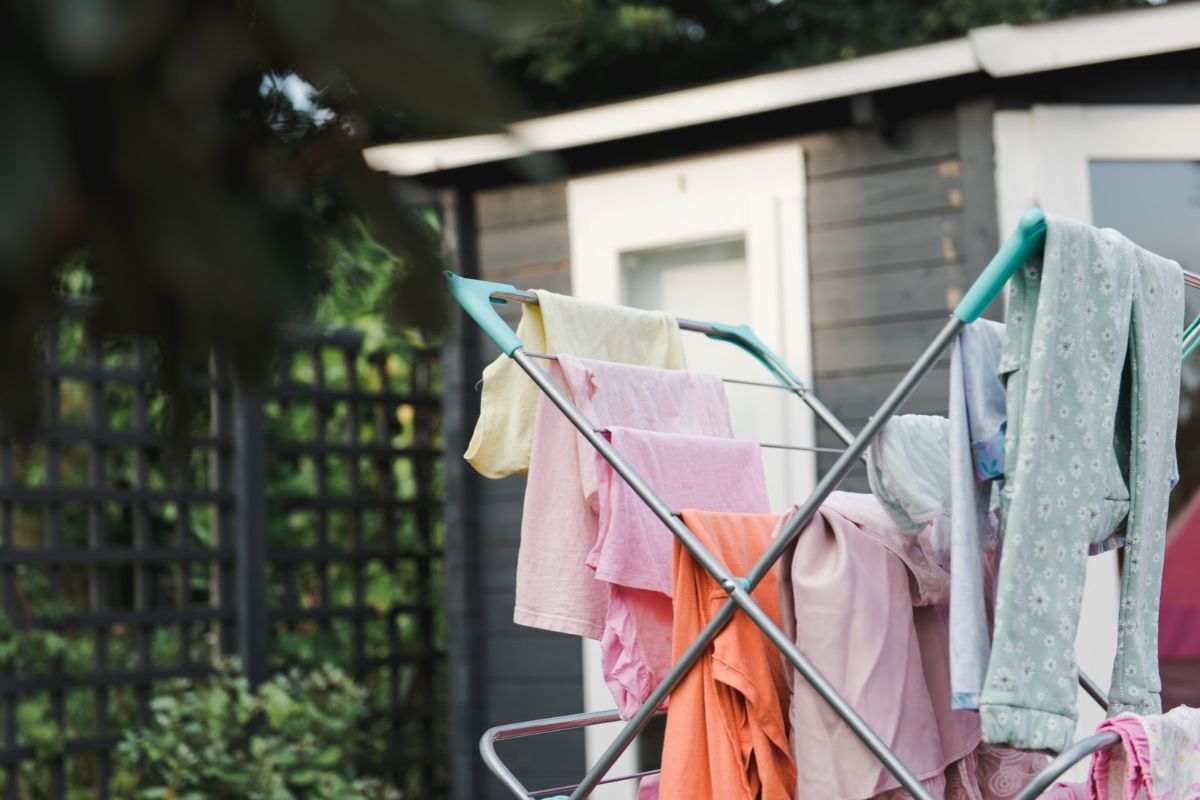
Although it can be difficult in unreliable winter weather, drying clothes outside is a better option than on radiators, which simply adds to the moisture in the air – causing condensation. Otherwise, invest in a heated dryer. If you have to dry your clothes inside, be sure to turn on a dehumidifier nearby to catch the moisture created.
Keep temperatures constant
Maintaining consistent temperatures is a good way of keeping mould growth at bay, as fluctuating temperatures exacerbate the problem. Try and keep rooms between at least 16°C and 18°C at all times.
When mould strikes, remove it
If you do see a patch of mould begin to develop, make sure the affected area is dry and then use mould killer or mould spray to remove it. Remember to always use protective equipment, including gloves and a face mask.
We explain how to remove dangerous hidden mould here.
Use anti-mould paint
After you have removed the offending mould, you could use anti-mould paint to treat the area. This will add an additional layer of protection to ensure the mould doesn’t strike again.
Top image credit: Getty
