
An estimated 1.5 million Brits own a property abroad, and joining their ranks may be easier than you think. This isn’t a decision to be taken lightly, so do as much research as possible.
Calculate your budget and consider your reasons for buying: apart from more sunshine, are you looking for a holiday home to visit whenever you want, or somewhere to retire to now or in the future? Do you plan to rent it out, and are you looking for a long-term investment?
Once these questions are answered, you can start narrowing down your options.
- The 5 home security myths that burglars love: here are the REAL ways to protect your home this summer
- Quiet Luxury is OUT - this cosy trend is taking over instead (thanks to the Netflix hit no one saw coming)
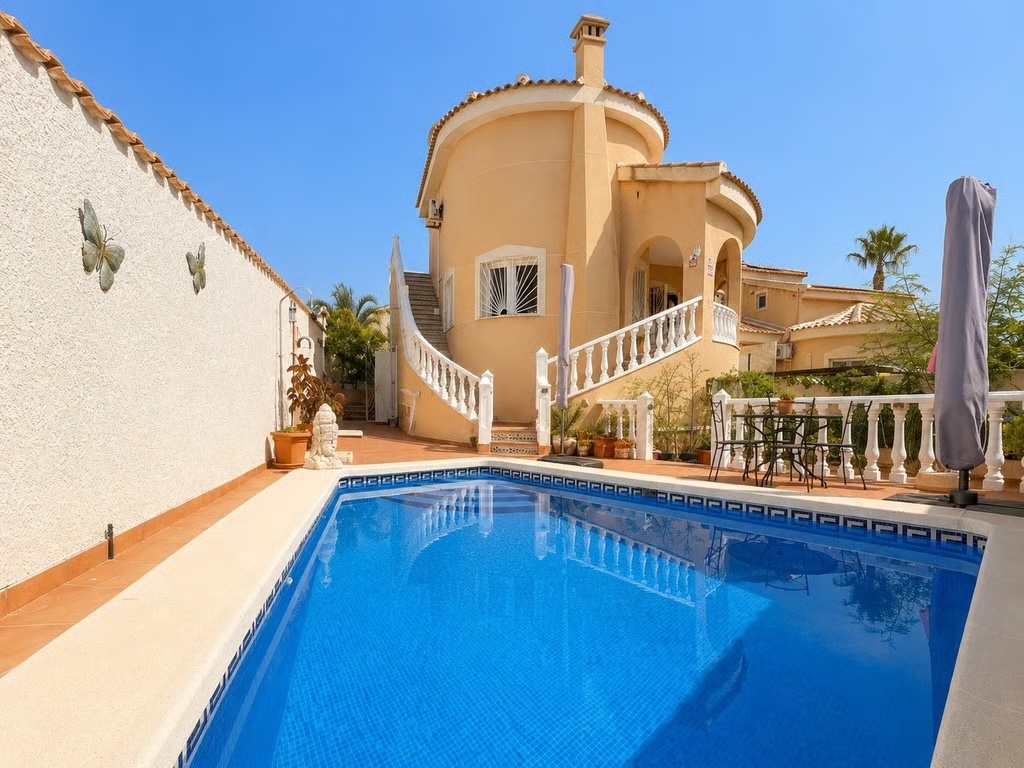
Villa in Ciudad Quesada, Spain, €289,000 (approx £248,000), Your Overseas Home
1. Pinpoint the location
The property portal from Channel 4’s A Place in the Sun found Spain to be most sought-after destination for UK buyers, followed by France, Italy and Portugal, with Cyprus and Greece also proving popular. Prices vary considerably in each country – for example in Spain, southern Costa Blanca is cheaper than the Costa del Sol.
Think about whether you want to be close to the beach, in a lively tourist resort, or prefer the tranquility of the countryside or a small village. Also, look into proximity to an airport – a factor that’s particularly important if you’re going to be travelling back to Britain frequently or if your holidaymakers need access. Get to know the area you’re interested in if you’re not already familiar with it.
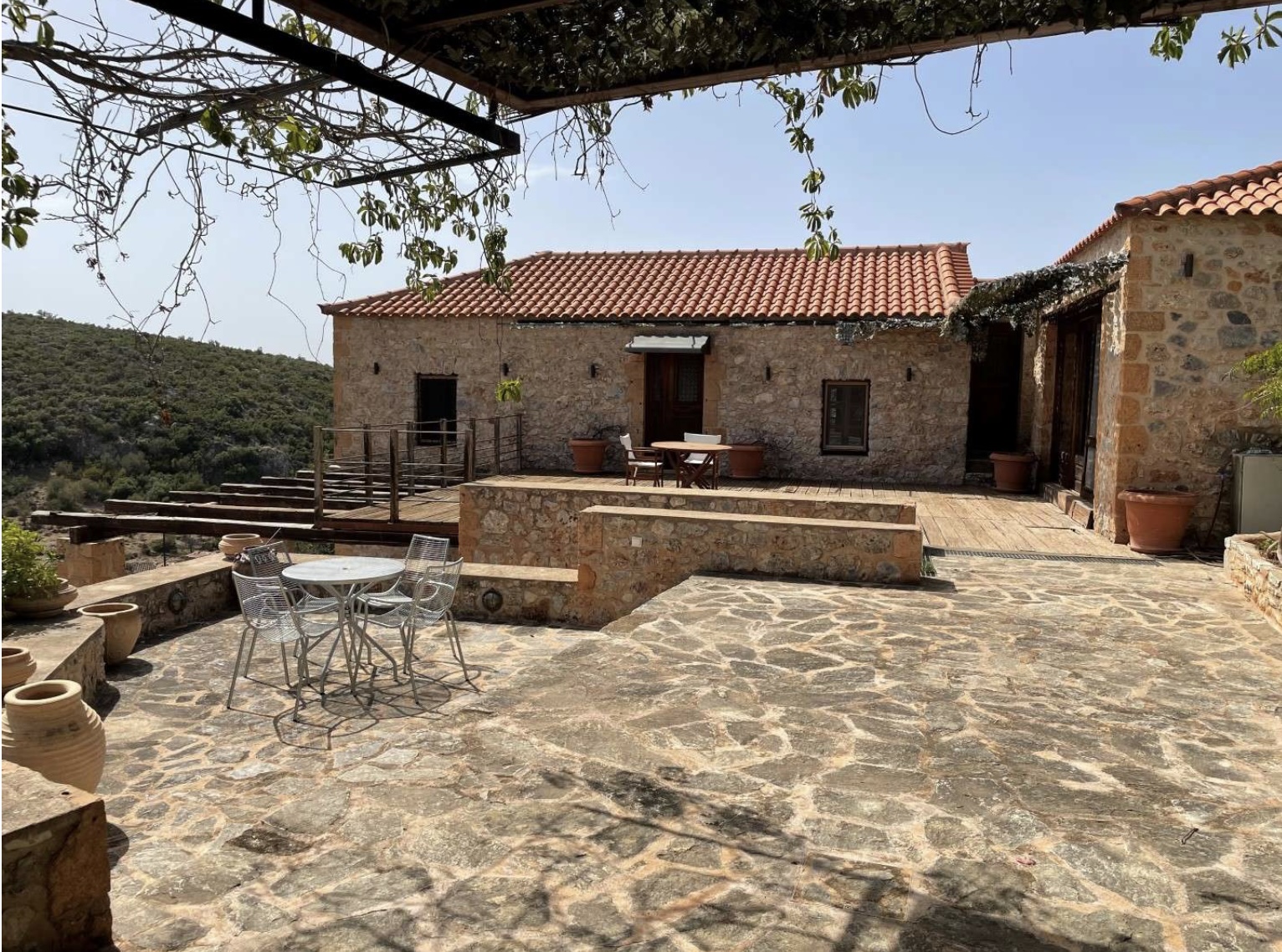
Stone-built House in Laconia, Greece, from €250,000 (approx £214,000), Savills
2. Finance the purchase
Unless you have enough cash to buy outright, you'll need to raise the money to do so. If you're keeping your home in the UK and have a decent amount of equity, you may be able to fund your purchase through remortgaging; otherwise, you'll need to apply for a new mortgage.
Mortgages on overseas properties are available, but the options from UK lenders can be more limited than for UK properties, so many buyers arrange finance through a lender in the country where they're purchasing. Deposit requirements are often higher than those in the UK, and repayments are usually made in the local currency.
Contact a broker specialising in overseas mortgages to discuss your options, including the loan term and whether a fixed or variable rate would be best suited to your circumstances.
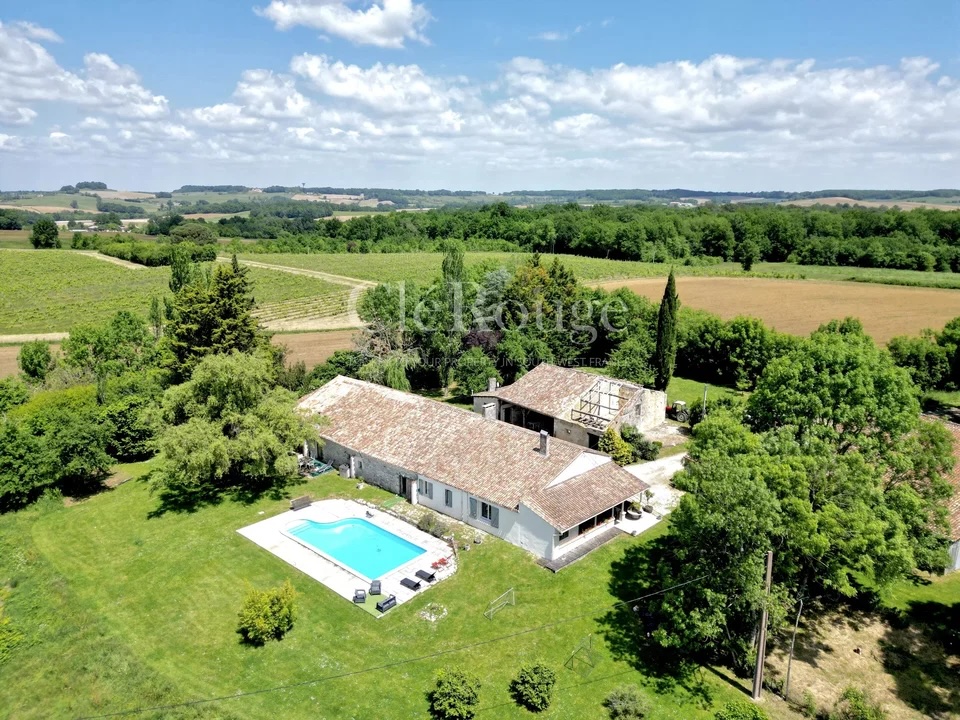
Villa in Duras, Lot-et-Garonne, France, €470,000 (approx £400,000), Kyero
3. Get good legal advice
Always hire an independent lawyer who can work in English to represent you, protect your interests and advise you throughout what can be a complicated process. Legal fees vary by country and the nature of the transaction.
While recommendations from sellers, agents or developers can be a useful starting point, it's important to satisfy yourself that any lawyer you appoint is completely independent. Ask other recent buyers for recommendations, or look for information on local lawyers through the Foreign, Commonwealth and Development Office via GOV.UK, and make sure they have appropriate professional indemnity insurance where applicable.
If the lawyer is based in the UK, check they are regulated by the appropriate professional body and, where necessary, are qualified to advise on matters relating to both countries. An independent translator can also be invaluable if your language skills are limited.
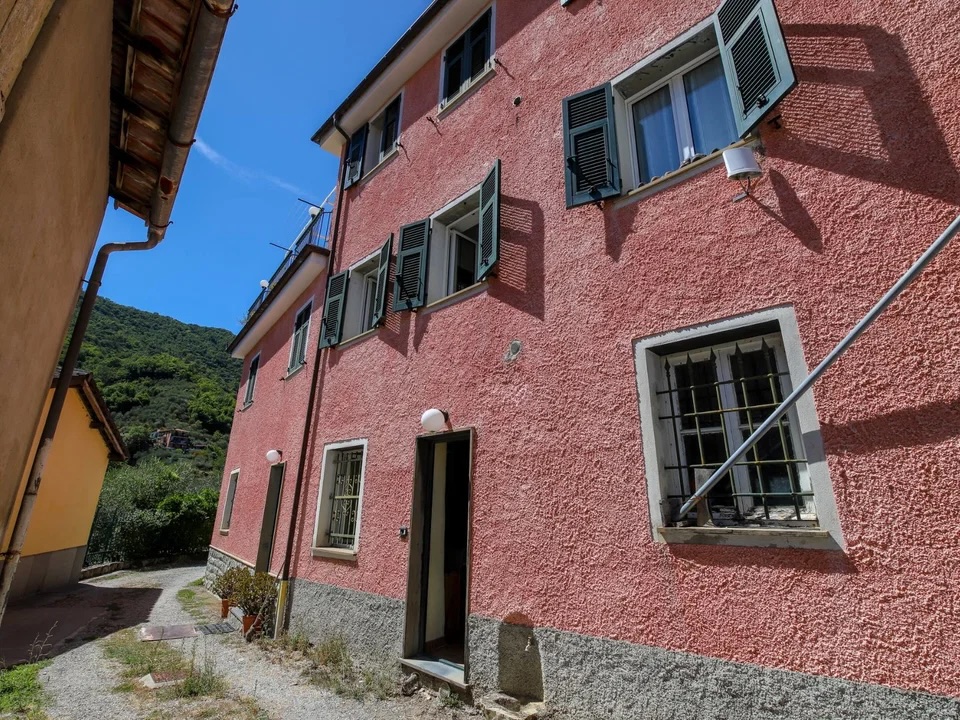
Villa in Leivi, Genoa, Italy, €250,000 (approx £214,000), Kyero
4 Find out about visas
Brexit has imposed a limit on the amount of time UK residents can spend in the Schengen Area. UK citizens can stay in the 29 Schengen countries (including Spain, France, Italy, Portugal and Greece) for up to 90 days in any 180-day period.
This may not be too onerous for holiday homeowners, but those planning to retire abroad will generally need to obtain the appropriate visa or residence permit. Requirements vary by country, but you'll typically need to prove that you have sufficient means to support yourself.
Some countries continue to offer residency-by-investment programmes, although a number have become more restrictive or have been withdrawn in recent years.
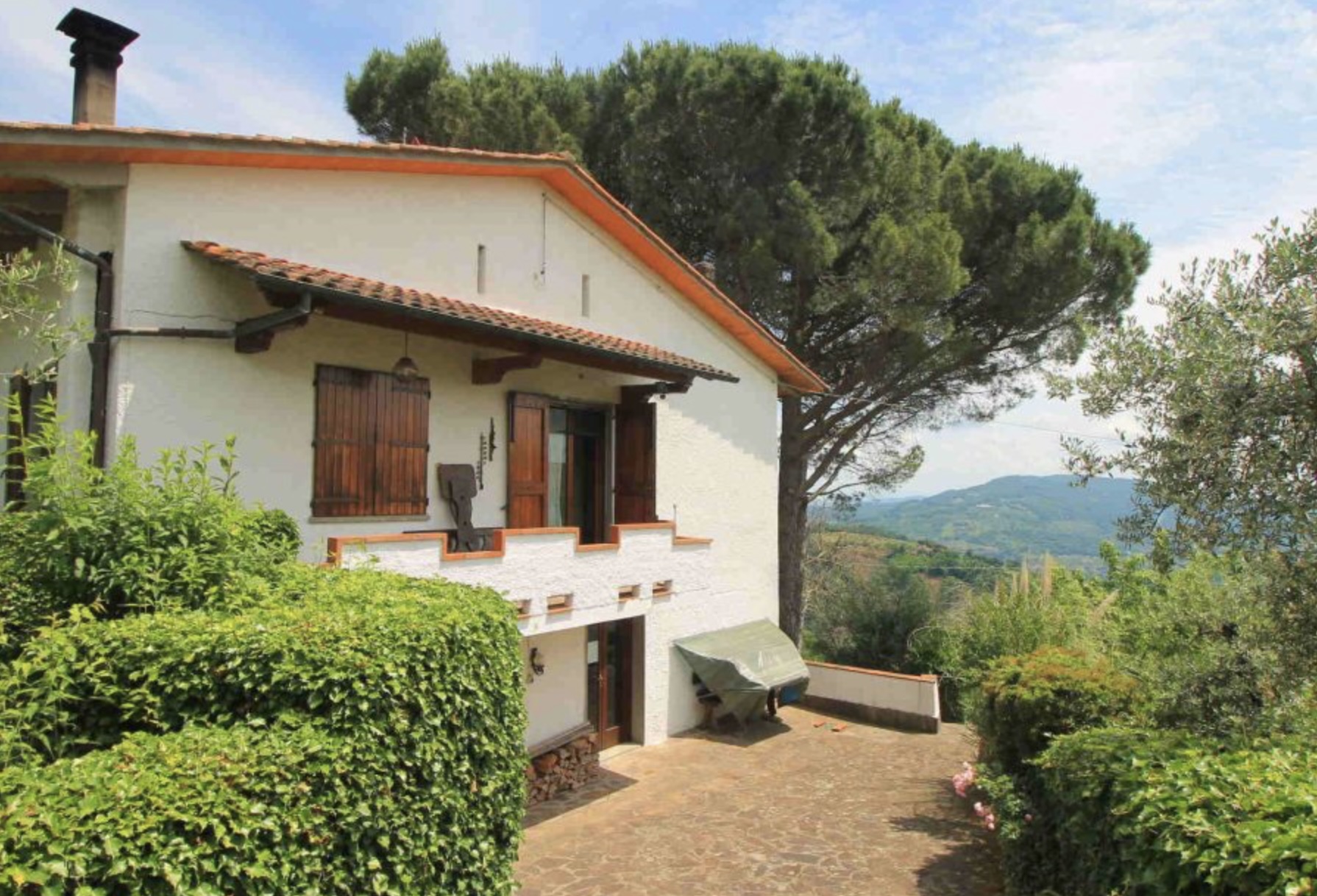
House in Tuscany, Italy, € 259,000 (approx £222,000), Casa Travella
5 Buying a new build
Although lacking the character of older properties, new builds come with certain advantages. They’re pristine, energy-efficient and secure, and you’ll have a choice of units.
The downside is that if they’re not yet finished, you’ll have to buy off-plan and can’t view your home before committing.
Rather than going through an estate agent, you may be dealing directly with the developer who owns the land. Make sure they have permission to build, find out how the project is being financed and check that the title deeds for the property exist.
Ask to see finished projects, talk to owners and see if there have been any issues since they’ve lived there. You may be required to pay in stages so check these payments are secured by bank guarantees so you’ll be reimbursed if something goes wrong.
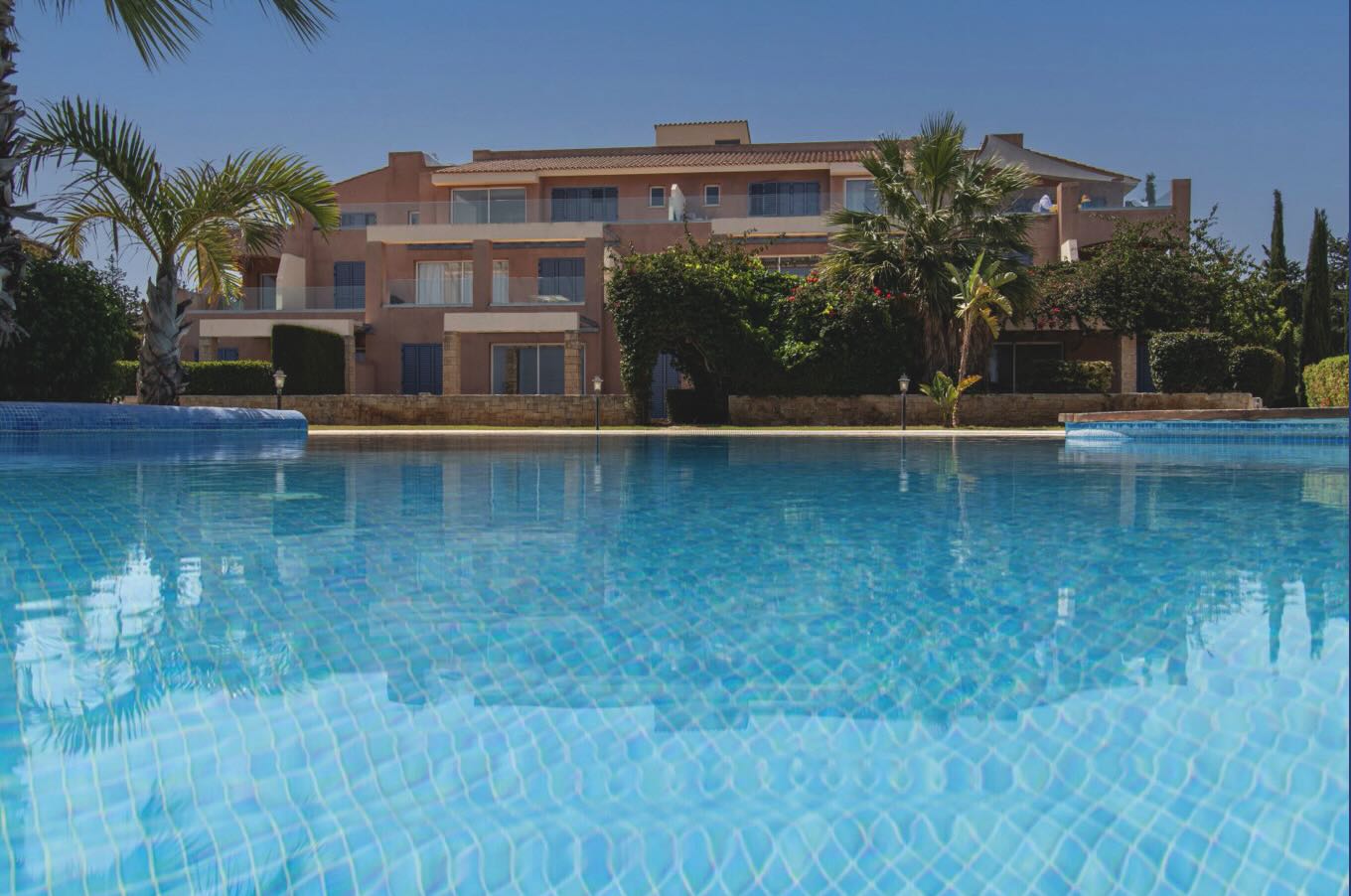
New-build townhouse in Paphos, Cyprus, €348.000 (approx £298,000), Leptos Estates
6 Watch out for additional costs
You’ll incur many expenses over and above the cost of the property itself. These include legal and translation fees, the cost of a surveyor to assess and provide a report on an older home, stamp duty or transfer tax, registry and possible mortgage arrangement fees.
You may also be liable to pay a proportion of the estate agent’s commission and the equivalent of VAT on a new-build. Depending on where you buy, extra taxes might be due – for example property taxes and income tax on earnings from a rental property.
There might be implications for your pension and inheritance planning, so factor in the cost of an accountant. Then there are insurance, running, maintenance and removal costs and extra flights to pay for if you’re coming and going from the UK.
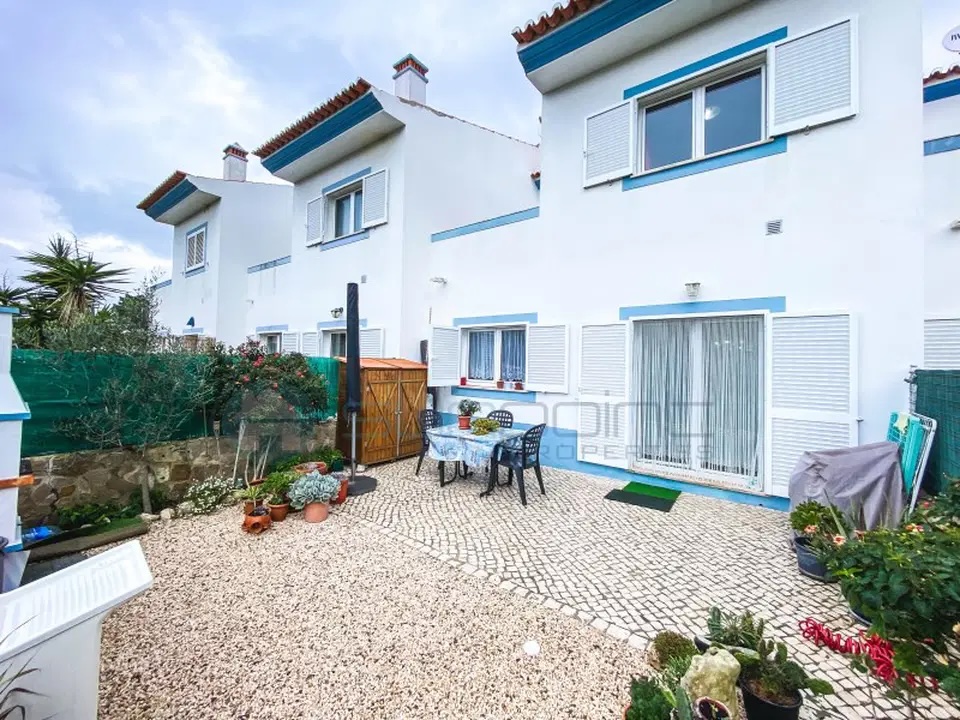
Villa in Aljezur, Faro, Portugal, €418,000 (approx £359,000), Kyero
7 Hiring local tradespeople
When buying a home that isn’t brand new, at some point you’re bound to hire a tradesperson – whether for a small project or complete renovation.
Ask locally for word-of-mouth recommendations and look for positive reviews on local expat websites. Find out what qualifications contractors should have, ask to see evidence of this and get at least three written quotes for the work.
For bigger jobs, discuss timescales and payments – ideally in stages – and ensure that planning permission is in place if required. Reduce the stress of the build by brushing up your language skills beforehand and arranging for any fittings or materials to arrive in good time.
Aim to be on-site as much as possible so that you know everything’s getting done and to deal with any issues before they escalate.
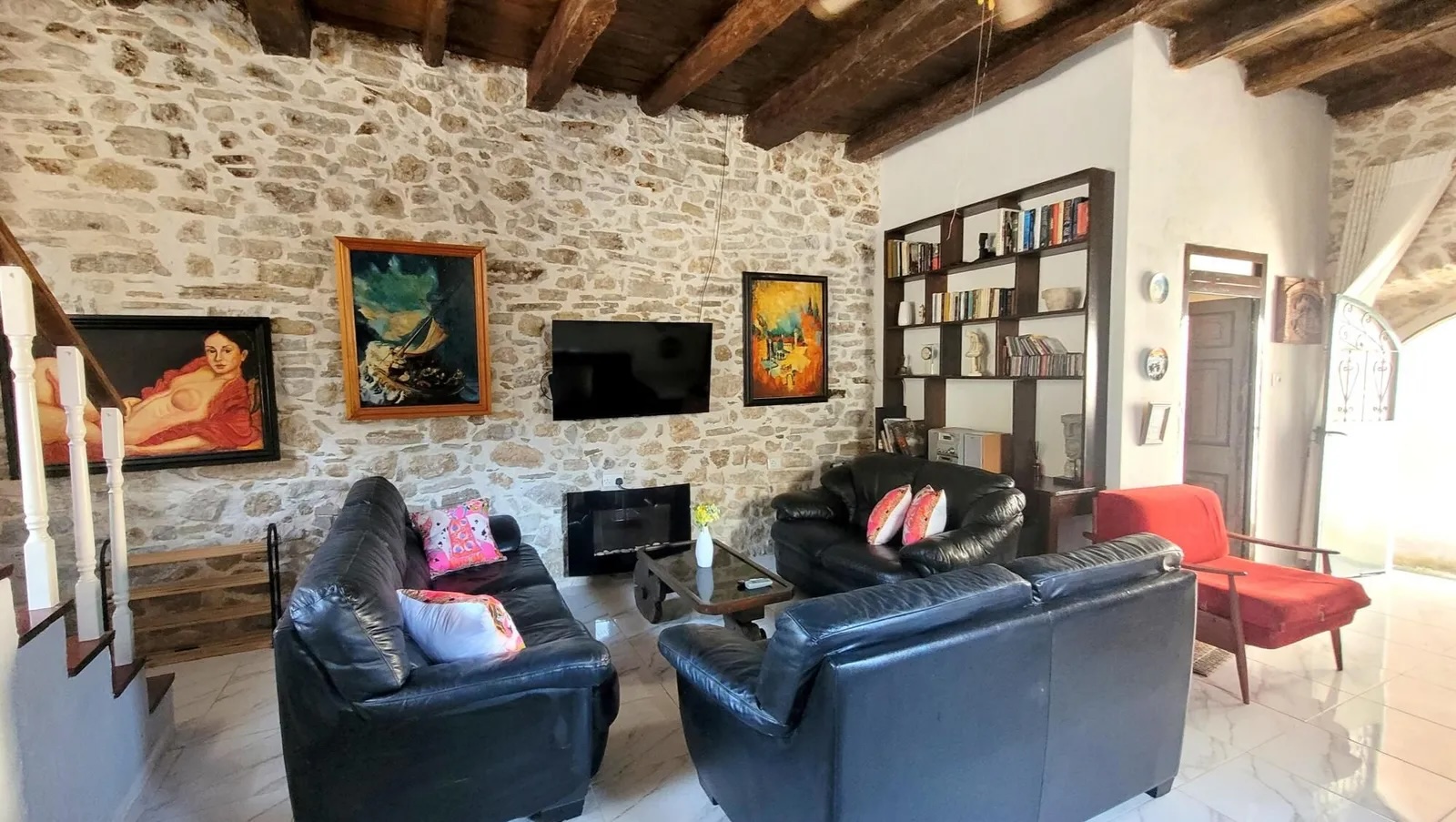
House in Agios Georgios, Corfu, €220,000 (approx £189,000), Spitogatos
8 Renting out your home
When purchasing primarily as a holiday rental, investigate occupancy levels, the income the property is likely to generate, whether a licence or registration is required, and make sure there are no restrictions on short-term lets.
Check out the competition too: a villa in pristine condition will usually have the edge over one that's dated, while the absence of features that guests expect in the area, such as a pool, may make it harder to attract bookings.
Consider how you'll market the property, whether through your own website, online booking platforms or a combination of both, and decide whether you want to manage bookings yourself or use a local agency to handle marketing, cleaning and guest handovers.
Management fees vary depending on the services provided and the local market. While some costs may be deductible against rental income, you may be liable for tax on any profits, depending on the rules in the country where the property is located and your tax residence status.
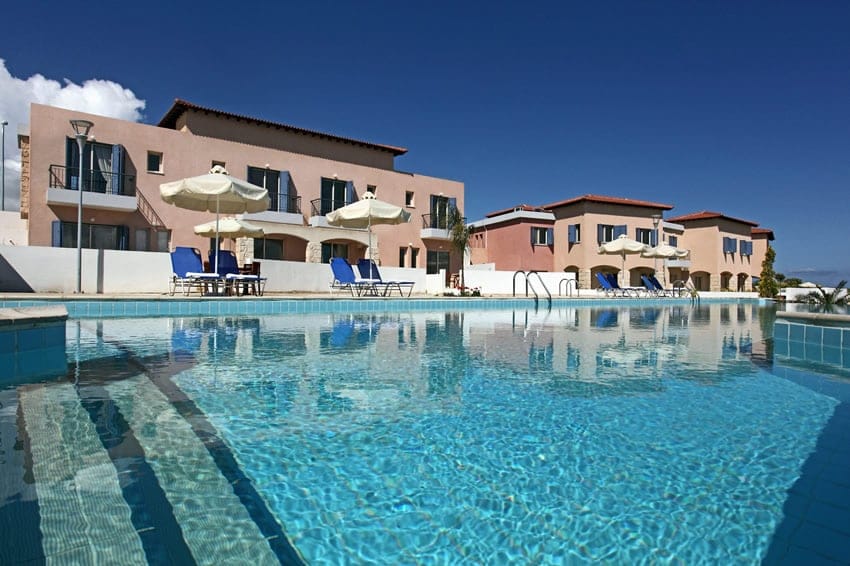
Townhouse in Polis, Cyprus, £222,670, Spot Blue
9 Property purchasing checklist
To avoid your dream home turning into a nightmare, the UK Government recommends researching and following local laws on buying and renting out property abroad, and carrying out precautionary checks. Always get written confirmation of what has been agreed and insist on a paper rather than an electronic receipt for all payments.
Ensure that the seller or developer owns the title deeds to the property and can transfer them to you, and that they haven’t been offered as security for any loans.
Ask too whether there are any outstanding utility bills, local tax demands or other expenses that you as the new owner may be liable for, and check that water, gas, electricity and sewage are connected and ready to use.
Our expert says…
‘A currency specialist can help with all the international payments relating to buying a property overseas. Specialists offer better exchange rates than high street banks – and on a large amount for a property deposit or investment, even a fraction of a percentage point can make a big difference.
'UK high street banks charge higher fees and when you add up all the payments you need to buy a property, including legal fees and local taxes, this could make a dent in your budget.’
Simon Conn, overseas property and finance specialist.
What £200,000 will get you in Europe*
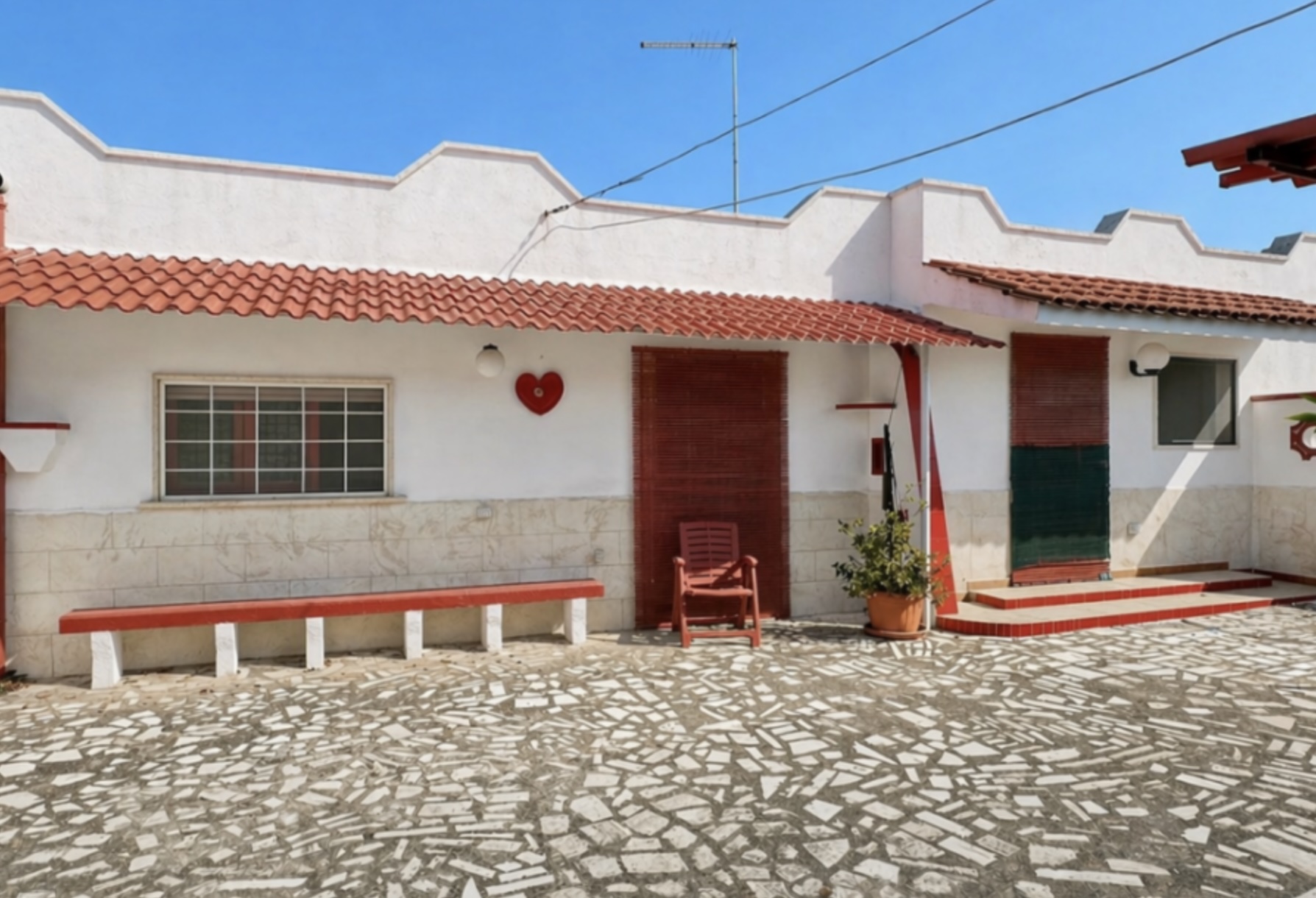
San Vito dei Normanni, Puglia, Italy
Two-bedroom villa from €119,000 (approx £107,000), Casa Travella
A charming villa set on a generous plot with just under an acre of land. The property features a kitchen, spacious living room and covered veranda, with mature gardens offering privacy and potential for further development. White walls with pops of playful red are perfect for some stylish sprucing.
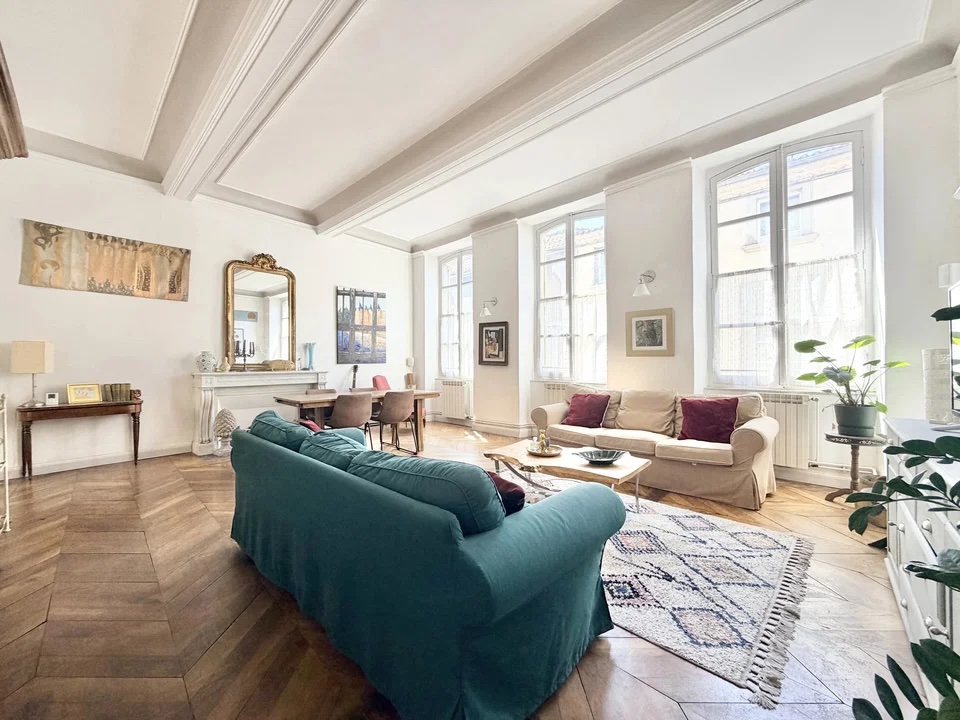
Carcassonne, Aude, France
Two-bedroom apartment, from €190,000 (approx £163,000), Kyero
You'll find high ceilings, original wooden floors and two spacious bathrooms in this irresistibly chic apartment. Located within walking distance of shops, restaurants and the city's main attractions, it offers an ideal lock-up-and-leave home or rental investment.
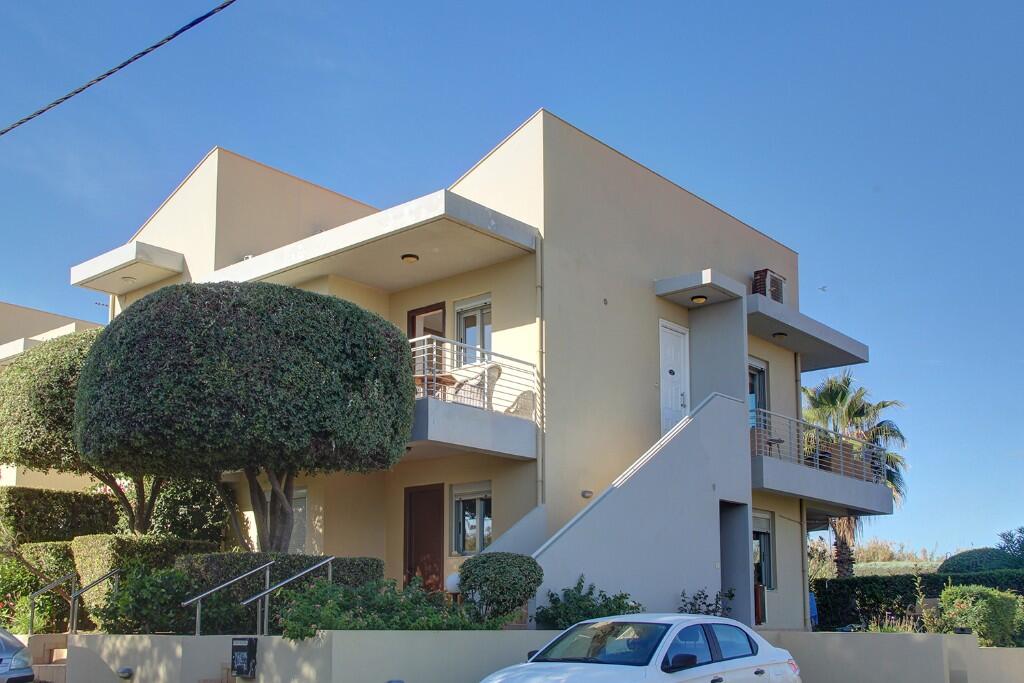
Chania, Crete, Greece
Two-bedroom apartment, from €230,000 (approx £197,000), Rightmove
This luxury apartment is part of a residential complex with a large communal pool to cool off from the sun. Complete with a wrap-around balcony, breathtaking sea and mountain views and minimal interiors, it's a blank canvas for you to create your dream holiday home.
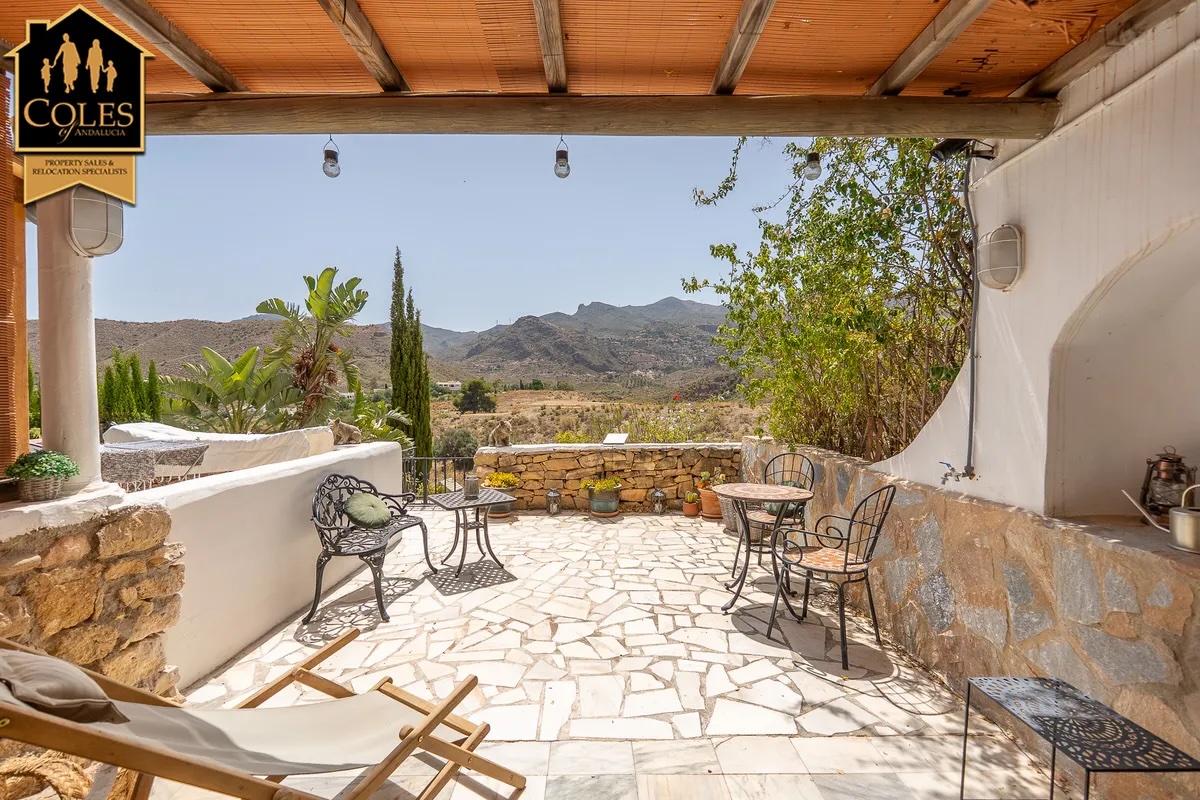
Almería, Andalusia, Spain
Two-bedroom town house, from €142,500 (approx £122,000), Zoopla
You can practically hear the cicadas looking at this sun-soaked terrace. In the quiet residential golf valley of the Sierra Cabrera mountains, this recently renovated home boasts cool, tiled interiors and characterful touches.
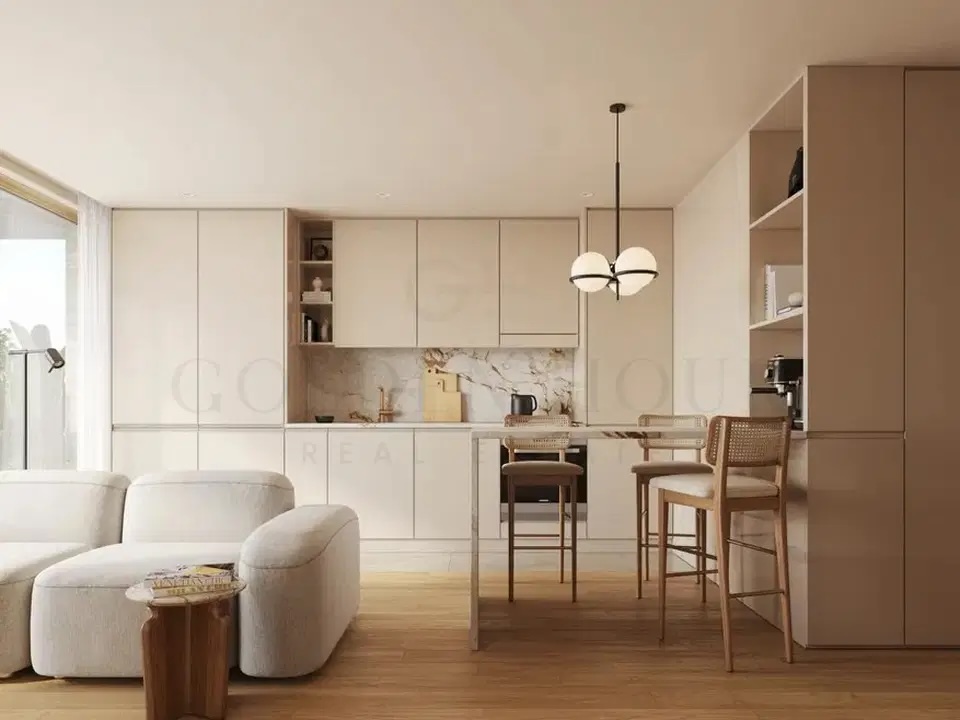
Vila Nova de Gaia, Porto, Portugal
One-bed apartment, from €225,000 (approx £193,000), Kyero
If sleek luxury is more your style, this smart apartment just outside Porto offers plenty to please. With cutting-edge appliances, modern stone details and access to a communal gym, its proximity to the new Metro line makes it ideal for jam-packed city breaks.
*Exchange rates correct at time of press and rounded to the nearest £1,000
