
The quartz kitchen worktop crackdown: there's a hidden health risk homeowners NEED to know about
Quartz and engineered-stone worktops are a popular choice for kitchen makeovers, thanks to their sleek appearance, durability and wide choice of colours and finishes. But growing concerns over the health risks faced by the workers who cut and install these surfaces have put the spotlight on what happens before your new worktop reaches your kitchen.
The latest findings from The i Paper have highlighted serious safety concerns around workers exposed to silica dust when cutting and preparing these materials.
- Quartz worktops face fresh safety concerns – here’s what to buy instead
- Want a high-spec design kitchen but don’t have the budget to match? This is how to make your basic kitchen look bespoke
Why are quartz worktops causing concern?
When engineered stone is cut, drilled or polished ready for installation as a kitchen worktop, it can release very fine particles of dust containing ‘respirable crystalline silica’ (RCS) into the air.
Breathing in high levels of RCS can cause silicosis, an incurable lung disease in which scar tissue develops in the lungs.
UK doctors have reported a rise in cases among workers who manufacture and install engineered-stone worktops, with some affected at a relatively young age.
What is silica dust and why is it dangerous?
The main health risk comes from working with engineered stone during its manufacture and preparation, rather than from simply having a worktop installed in your home.
Cutting and polishing materials containing silica can generate clouds of fine dust. Without the right controls and protective equipment, repeated exposure can cause serious and potentially fatal lung disease in workers.
The Health and Safety Executive (HSE) has highlighted measures including ‘wet cutting’ with water to suppress dust, ‘local exhaust ventilation ‘and suitable ‘respiratory protective equipment’ to help protect workers.
Video: Getty Images
What should you ask your kitchen fitter?
If you're ordering a new quartz or engineered-stone worktop, it’s worth asking your supplier where it will be fabricated and what measures are used to control dust during cutting and installation.
Recent cases of silicosis among workers exposed to engineered-stone dust have prompted calls for tighter safety measures to better protect people working with these materials.
Woody’s Concrete Co., makers of polished concrete worktops, flooring and basins, says: ‘Quartz has long been the go-to choice for household worksurfaces, but has its popularity stemmed from thorough research or simply convenience?
‘The responsibility increasingly falls on consumers to understand the manufacturing processes behind quartz production. If a supplier offers significantly lower prices, it could suggest inadequate worker protections, including a lack of essential PPE, which exposes labourers to serious health risks.’
Members of the Worktop Fabricators Federation have recently agreed to launch a kite-mark-type scheme so that, from 2026, consumers will be able to tell whether a worktop has been manufactured without putting workers’ lives at risk.
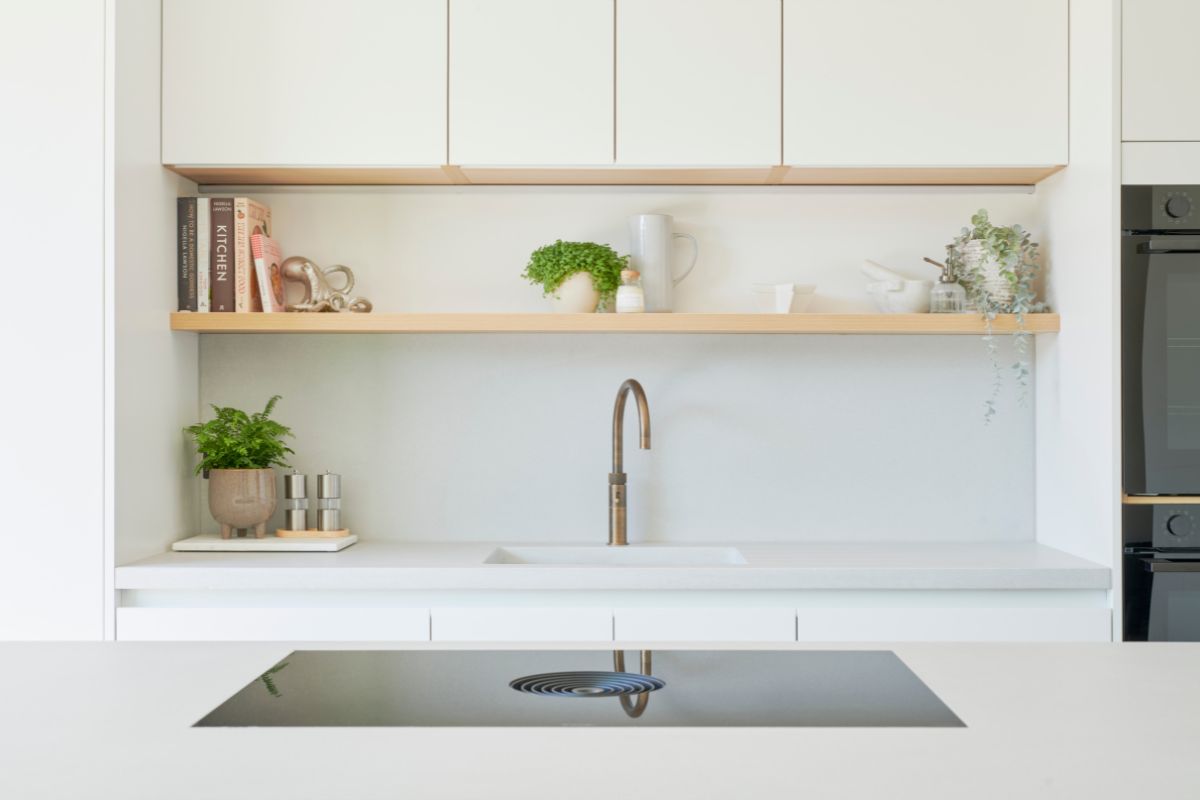
Are quartz worktops safe in your home?
For homeowners, the concern is primarily about ‘occupational exposure’ for kitchen stone masons during the manufacture and prep of quartz, rather than simply owning or using a quartz worktop.
So, you don’t necessarily need to rethink your kitchen plans if you want a quartz worktop. But it does highlight the importance of choosing a reputable supplier and ensuring any cutting or preparation is carried out using the correct safety measures.
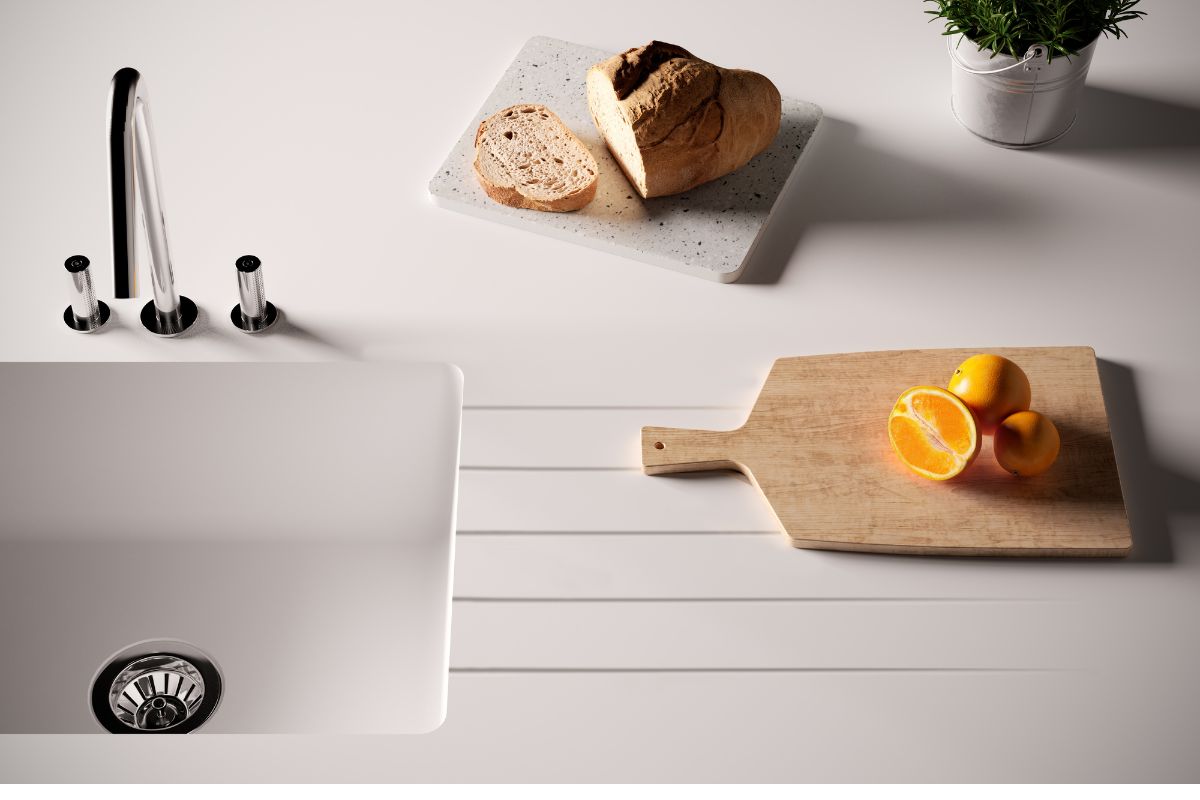
Speaking to us in 2025, the manufacturers of HI-MACS solid surfaces said, ‘It doesn’t look like the silicosis crisis is going away in terms of awareness, both within the industry and the general public, so we think it’s likely that alternative solid surface worktops will continue to gain in popularity over quartz.
‘Beyond the vital issue of safe working practices, there may also be concerns about what happens when it’s time to rip out quartz products from existing installations and how having quartz may affect property values or desirability.’
HI-MACS solid surfaces are an alternative to quartz and engineered stone, made from a ‘blend of 75% natural mineral and pigments, set in an acrylic matrix’.
What if I want to remove my quartz worktop and replace it with something else?
If you’re replacing an existing quartz or engineered-stone worktop, the same care should be taken to protect tradespeople from dust during removal and any cutting or preparation work.
Make sure you use a reputable kitchen company and ask how the worktop will be removed before any work takes place. It’s also worth checking that appropriate safety measures will be used if the material needs to be cut or broken up during the process.
What are the alternatives to quartz worktops?
Solid surface, porcelain, granite, marble, timber and concrete are all great alternatives to quartz and engineered stone. Read our guide to kitchen worktops: Quartz worktops face fresh safety concerns – here’s what to buy instead.
For more inspirational home ideas, why not subscribe today?
Read more:
- This Interior Design Masters contestant used the most ingenious IKEA hack in her own kitchen
- ‘We revamped our kitchen for under £900’ – here's how paint and sticky-back plastic can work wonders
- Richard Hammond’s £2m Welsh mansion renovation derailed after unexpected discovery
