19 ways to cut your energy bills this winter (without making big changes)
While we can’t control global economics, we can help to ease the pain of winter fuel bills a little by learning how to get smart and stop using unnecessary levels of electricity and gas.
Scan our savvy solutions on how to save money on your energy bills by making a few small changes.
And for even more ideas on cutting costs at home, check out our money-saving tips for everything from broadband contracts to cleaning products.
Energy-saving tips for the home
1. Find the draughts
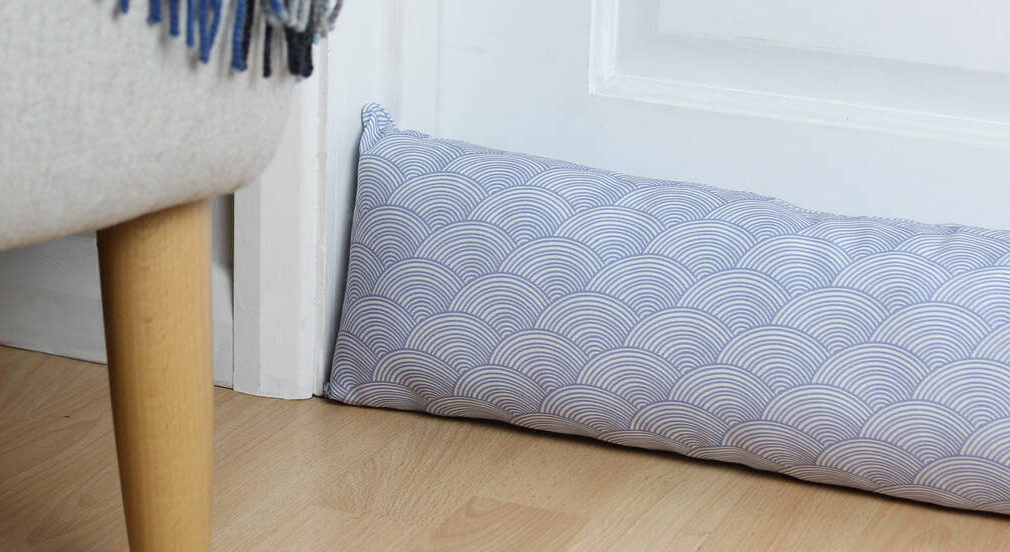
Draughts are a massive culprit when it comes to inefficient heating. Take a look at your front door – can you see a bit of daylight creeping underneath it? If so, then it's best to try and close it up.
You can stop heat escaping from rooms with an adjustable indoor draught stopper, which has the added bonus of reducing noise and cutting off one point of entry for creepy crawlies.
Some doors have a built-in brush draught excluder, but if yours doesn't then take a look at self-adhesive door brushes that will help keep the cold winds out, or even long draught excluder cushions. If you're looking for inspiration, we've chosen the best draught excluders to keep your home cosy, but if you're in a hurry shop our quick links below:
Where to buy draught excluders:
- Dunelm - stocks a selection of stylish draught excluders in a range of colours and fabrics.
- Wayfair - has a staggering range of over 100 styles, featuring quirky animal-shaped designs including dogs, squirrels and hedgehogs.
- Amazon - a great place to shop if you're after a range of draught excluding products, from tape, brushes and stoppers.
2. Switch off plugs at the wall
Vampire devices, such as TVs, games consoles, computers and microwaves, left on standby cost households an average of £147 a year, even when they’re not being used. For instance, phone chargers consume 0.26 watts when plugged in, even if your phone’s not connected to them. Gaming consoles also guzzle energy, even when switched off, so always unplug them.
Switching them off at the wall to save money makes sense but that isn’t always practical if sockets are hidden behind desks, beneath TV units or covered up by white goods. Consider fitting smart plugs that allow you to simply turn your sockets on or off from your mobile phone. See our smart plug reviews here.
3. Insulate your windows

If you live in a period property, you're probably no stranger to a draughty window. Lots of older properties don't have double glazing, meaning that your home's hot air can escape more easily through the windows.
If new windows aren't an option for you, you can buy window wraps which will help keep the cold air outside. Simply attach the self-adhesive tape around your window frame, attach the film to the tape, and use a hairdryer on the film to tighten it.
And for a quick, easy and sustainable way to seal windows and doors, Sheep Wool Draught Seal Tape is a naturally insulating material that can plug any draughty gaps. It’s also 100 per cent compostable after disposal and costs £11 for 5m. You can also buy foam tape for a few pounds.
4. Keep radiators free
Arranging your furniture based on your room's radiator layout is always a battle. Though it's best to not put anything in front of your radiators, sometimes it just isn't possible.
If you do need to place your sofa, or another piece of furniture, in front of a radiator, make sure that you leave a good gap between the furniture and the radiator so the heat can circulate in the room.
5. Don't keep the heating on low all day
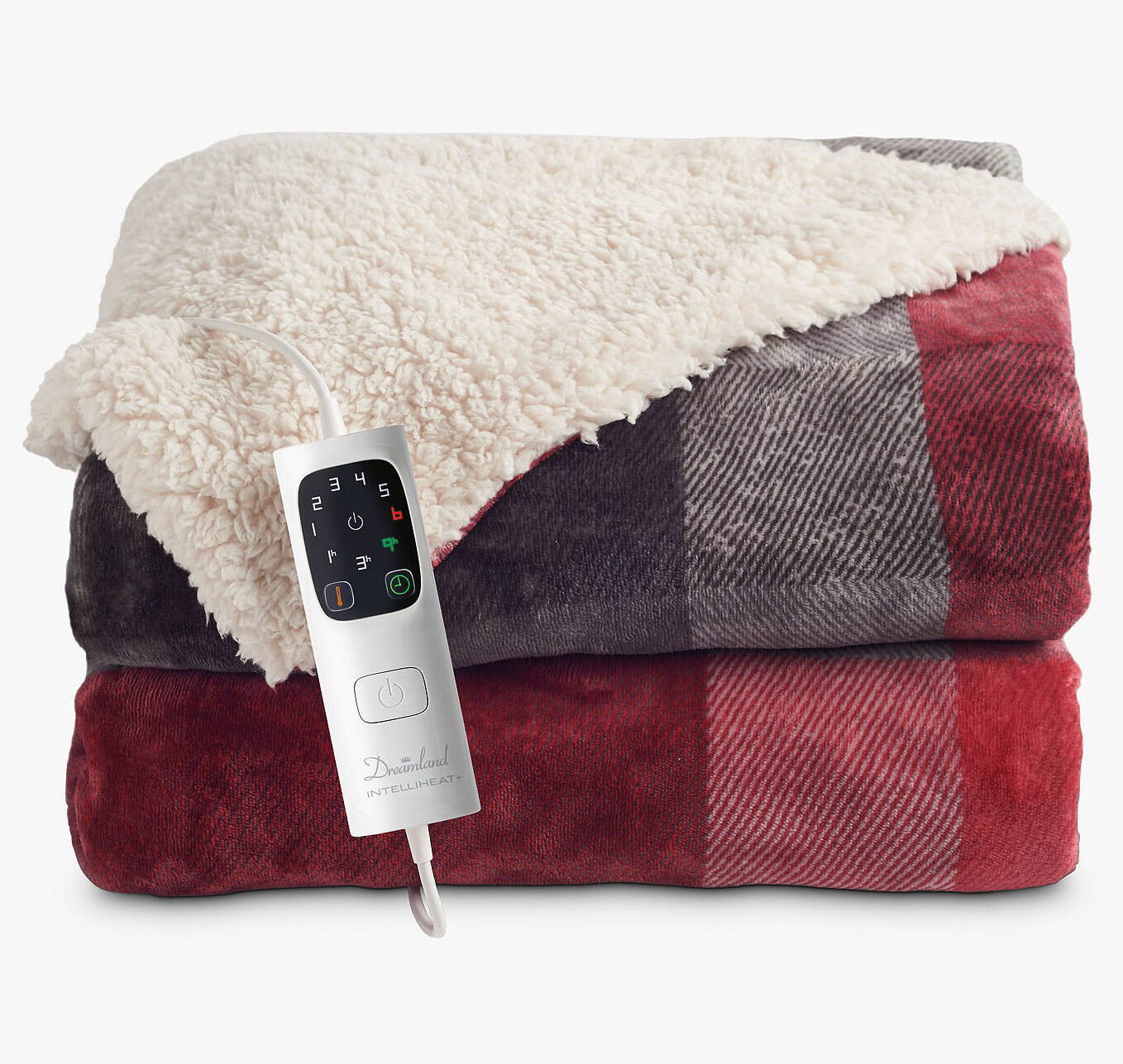
According to the Energy Saving Trust, you shouldn't keep your heating on low all day. Instead, it suggests the best way to save energy and money is to use the heating when you need it, to stop your heat from being lost throughout the day.
Make the most of your heating timer settings and set the heat to come on an hour or so before you need it, this way your home will have time to come to temperature before you need it. To keep the chill off if you're working from home, it's best to invest in an efficient electric throw rather than turn the heating on.
6. Make use of natural light
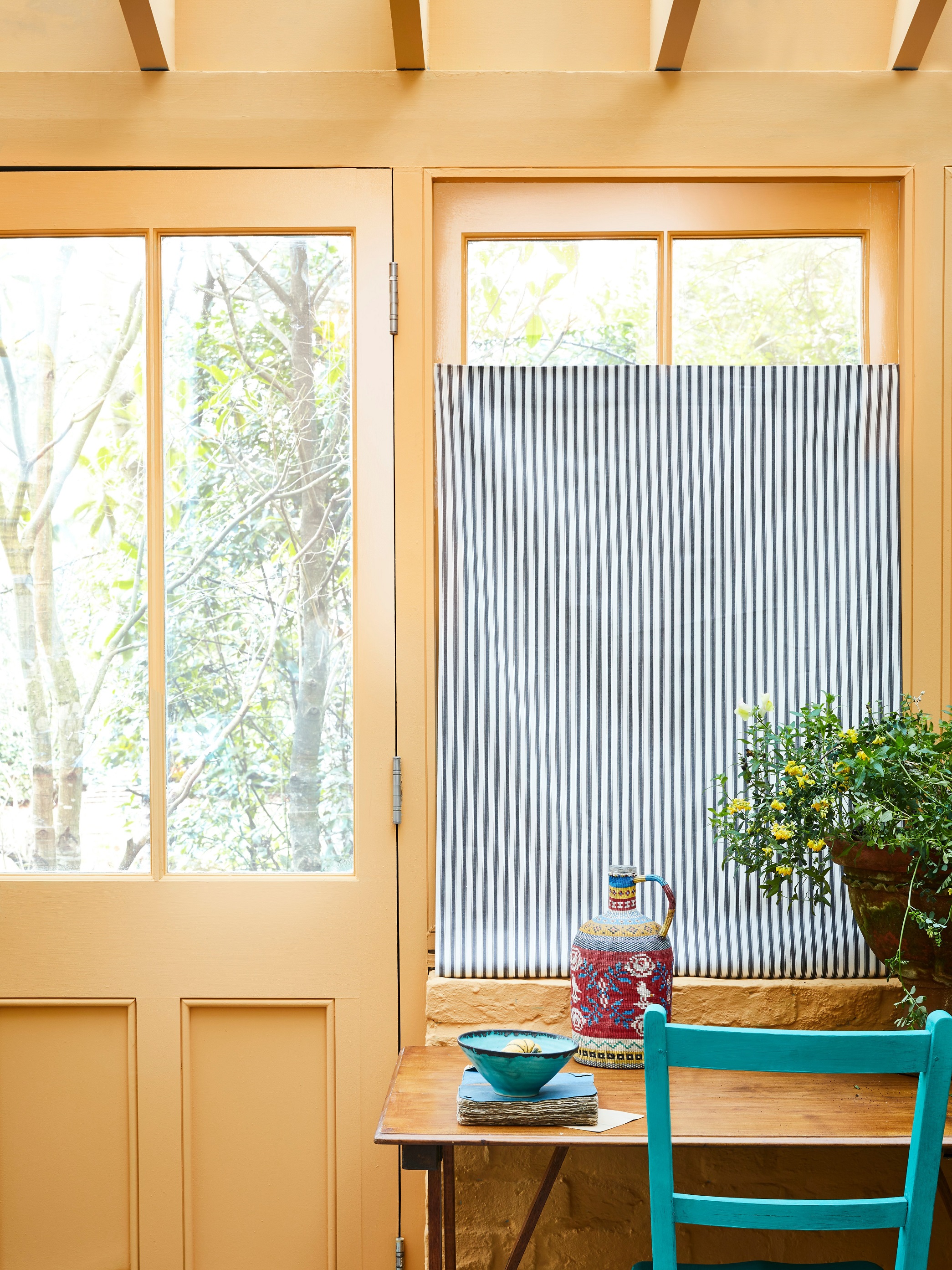
It’s tempting to turn your lights on and close the curtains early in the evening, but by keeping them open until sunset you can maximise the natural heat and light from the sun and save up to around 60 per cent on your lighting, compared to constantly having lights on.
7. Choose energy-efficient appliances
One of the most simple yet effective things you can do to cut your electricity bill is to keep an eye on the energy label on your appliances. The current rating system indicates an A to G scale with the letter A as the highest class and G as the lowest.
Pre-2021, this was a more confusing A+, A++ etc rating but this simplified version makes it easier for you to save energy by choosing a high-efficiency appliance. Although an A-class home appliance can be a financial investment initially, it will help you to lower your bills and bring huge savings in the long run. The Energy Saving Trust has helpful guide to buying energy-efficient appliances, and you can check out our round-up of energy-efficient kettles and energy-efficient TVs to get you started.
8. Use LED lightbulbs
Modern LED lightbulbs are the most eco-friendly option you can buy. Using 85 per cent less energy than regular bulbs, by replacing your standard bulbs with LEDs you could shave money off your electricity bill. LEDs also last longer – used for six hours a day, they can run for almost 12 years – so you’ll not only save on your energy costs, but you won’t need to replace them so often.
Check out our guide to practical and stylish energy-efficient light bulbs for your home.
9. Add motion sensor lights
Consider fitting easy-to-install motion sensors, so that your lights only come on when you enter a room and turn off when you leave. They’re ideal for hallways or kitchens, and if you have children who are too small to reach the light switch, or if you only want a landing light to turn on if they wake up overnight.
Where to buy motion sensors:
- Screwfix - offers a range of motion sensors in different shapes, styles and colours
- RS online - has a comprehensive selection of motion sensors for the home
- Amazon - as you would expect, features a wide choice to suit all budgets and styles
10. Only use your dishwasher when it's completely full
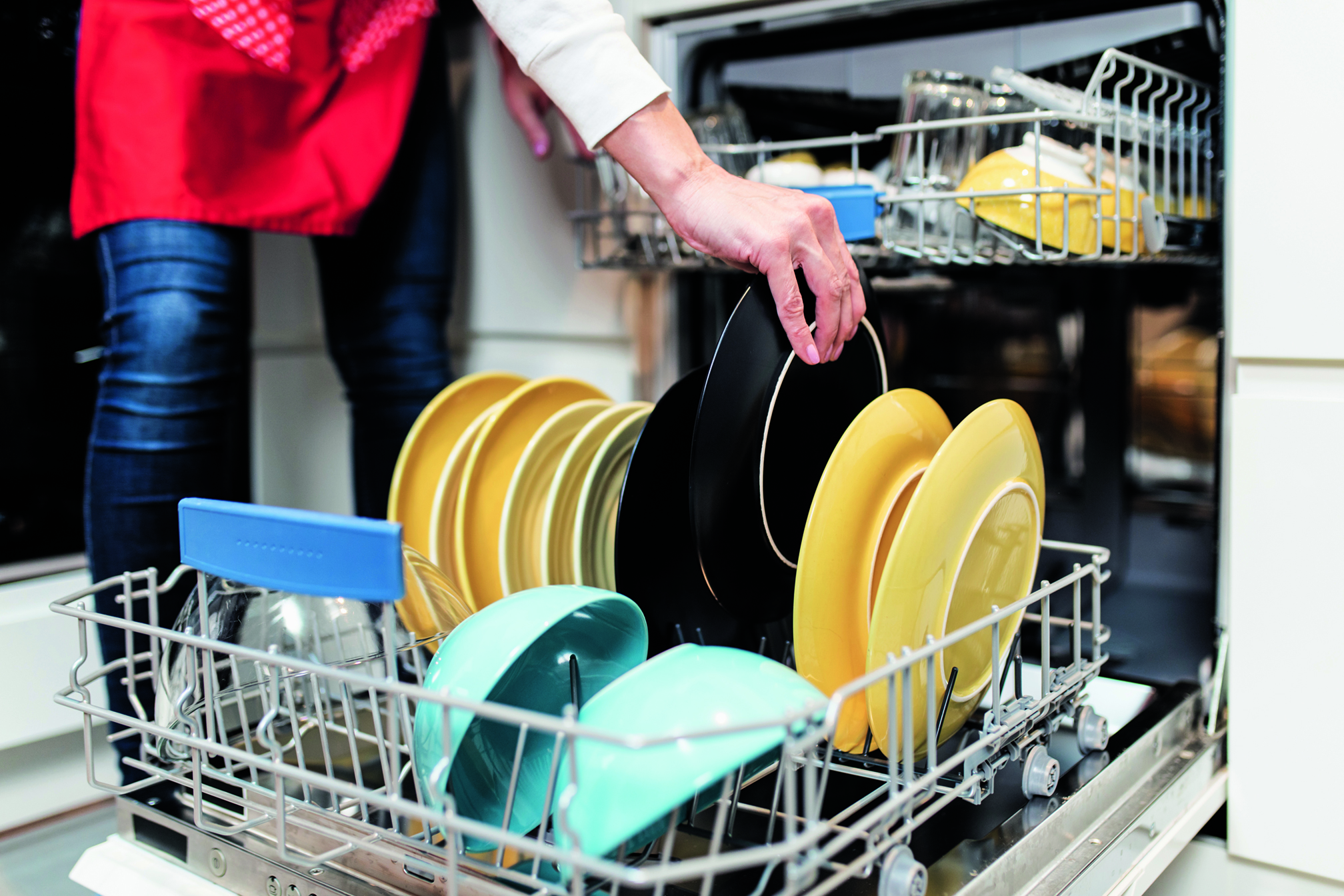
Be strategic with your dishwasher and fill it up as much as possible to ensure you only use it when it is totally full. Utilise the space as efficiently as you can – pack cups, glasses and cooking utensils on the top shelf, leaving space below for plates to be neatly stacked in a row, along with bowls and casserole dishes. By stacking smartly, you’ll need to use the dishwasher less and thus reduce your energy bills. If feasible, you could also try using your dishwasher every other day instead of daily.
If you're in the market for a new dishwasher, check out our guide to the best dishwashers in the UK.
11. Keep your fridge clean and full
There are several ways to make your fridge work harder for its money. By keeping the coils clean at the back on the fridge you will make your device more energy effective. When the fridge is full it also costs less to cool it. You don’t have to pack it with food – a jug of water will work so you get a cool drink and save on running water from the tap too.
Find out how to organise a fridge with our handy expert guide.
12. Wash your clothes on cold settings or on an eco wash
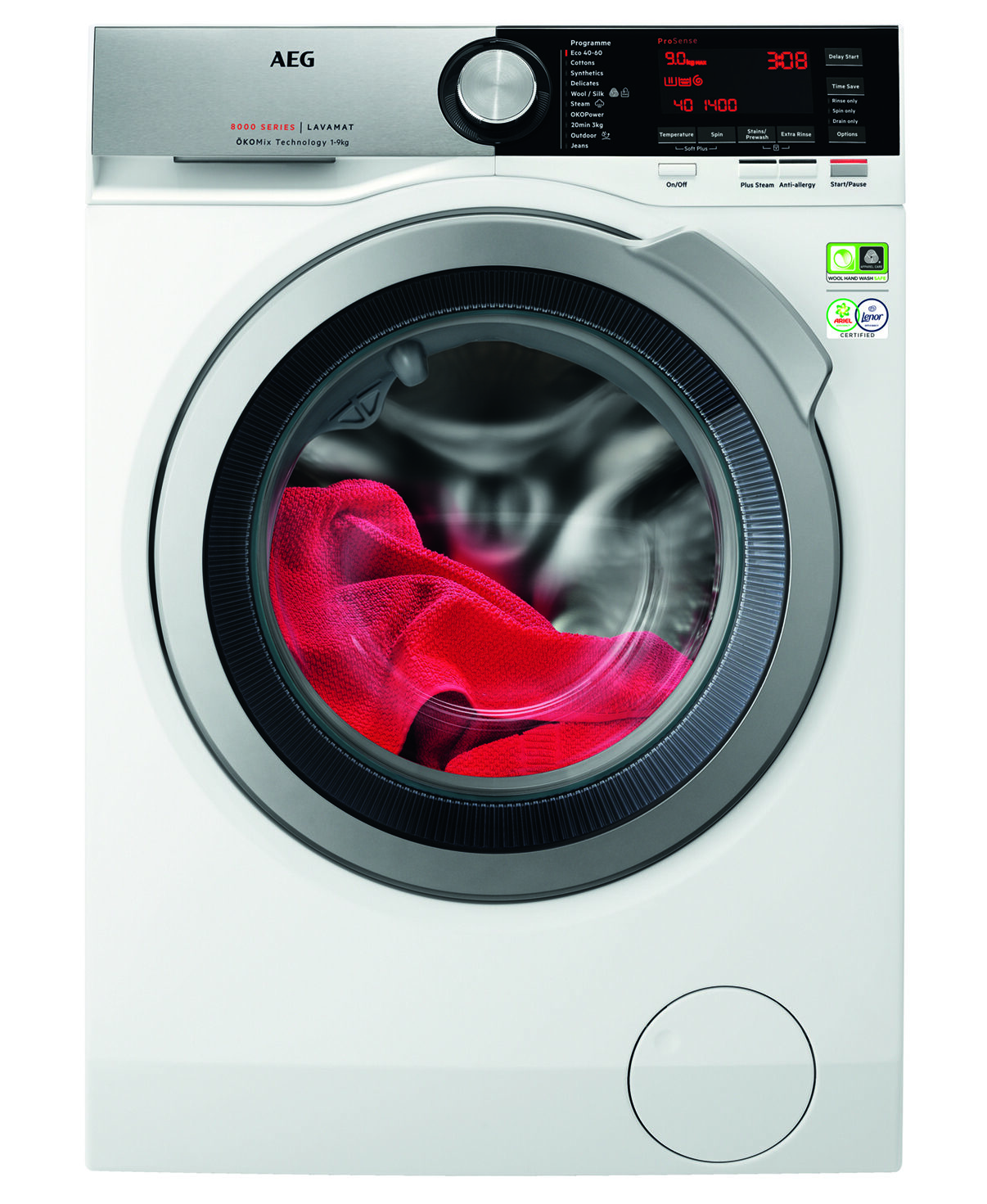
When it comes to washing your clothes, longer cycles, such as a 3.5-hour ‘eco’ wash vs a ‘quick wash’, use less energy and water and take better care of your clothes. By lowering the temperature to 30ºC instead of 40ºC you can save up to 60 per cent of your energy consumption on washing. To reduce costs even further, use a machine with energy-saving credentials, such as the AEG models with ProSense technology. Each load is weighed to provide a tailored cycle.
13. Do an energy audit
By taking part in an energy audit, you can find out exactly where you’re using the most power and how you can cut this down. It will help you get a better handle on your spending. Many energy companies offer audits to help you pinpoint exactly where you can save power and how you can do this.
14. Fit thermostatic radiator valves
Save energy and money on bills by fitting thermostatic radiator valves (TRVs). If your radiators don’t already have them, you can pick them up for as little as a few pounds. TRVs allow you to set each radiator to the heating level you want for the room it’s in.
15. Turn down your radiators
A quick and easy way to save money is to turn your thermostatic radiator valves (TRVs) down a setting or two. The Energy Saving Trust recommends aiming for the lowest setting that keeps the room at a comfortable temperature as this will reduce the volume of hot water that needs heating, using less energy and saving money.
16. Heat one room - not the whole house
Depending on the size of your home and the efficiency of your heating system, it may be cheaper to heat one room instead of the entire house. Consider plug-in fan and convector heaters or oil-filled radiators, as these tend to be the cheapest to run. Fan heaters range from 0.5-3kW; convectors from 2-3kW and oil-filled radiators, from 1-2.5kW.
The cost of running an electric heater depends on its wattage and your electricity tariff. Based on the October–December 2026 energy price cap of 26.32p per kWh, a 3kW heater running at full power would cost around 79p an hour.
By comparison, a typical 24kW gas boiler would use around £1.91 worth of gas an hour if running continuously at full output, based on the average gas rate of 7.97p per kWh. However, boilers don't generally run at full power continuously, and the actual cost will depend on your heating system and how much heat your home needs.
While a portable electric heater can be useful for warming one room for a short time, gas central heating is generally cheaper per unit of heat and is likely to be more economical when heating several rooms.
17. Hang thick curtains
Thick, heavy or lined curtains hung at the windows are a great insulator, as they form a protective barrier between the hot air in your room and the cool air around the window.
18. Tumble dry efficiently
Line drying and heated airers are the most cost-effective way to dry laundry, but if a tumble dryer is a must then make sure you're using it as efficiently as possible. Don’t overload it, clean the filters regularly, shake clothes before loading them and use the fastest spin cycle on your washing machine so laundry is as dry as possible before tumbling. Tumble dryer balls speed up the drying process by separating the items of laundry and letting the warm air flow between them better. Drying time can be reduced by up to 25 per cent, so you use less energy and spend less money.
19. Only boil what you need
Only boil the water you need for a cuppa, rather than filling the kettle every time. Based on the October–December 2026 electricity price cap of 26.32p per kWh, boiling a 250ml cup of water costs approximately 0.65p, compared with around 4.42p for a full 1.7-litre kettle. If you make two cups a day, that's roughly £4.75 a year for boiling just enough water, compared with £32.27 if you boil a full kettle each time. That's a potential saving of more than £27 a year! And if you do boil too much, don't waste the leftover hot water – use it for washing up or soaking dirty pans.
Read more: